
Commercial Roofing Services
Commercial Roof Maintenance Programs in Columbus, GA
Scheduled Roof Maintenance That Cuts Down Emergency Calls
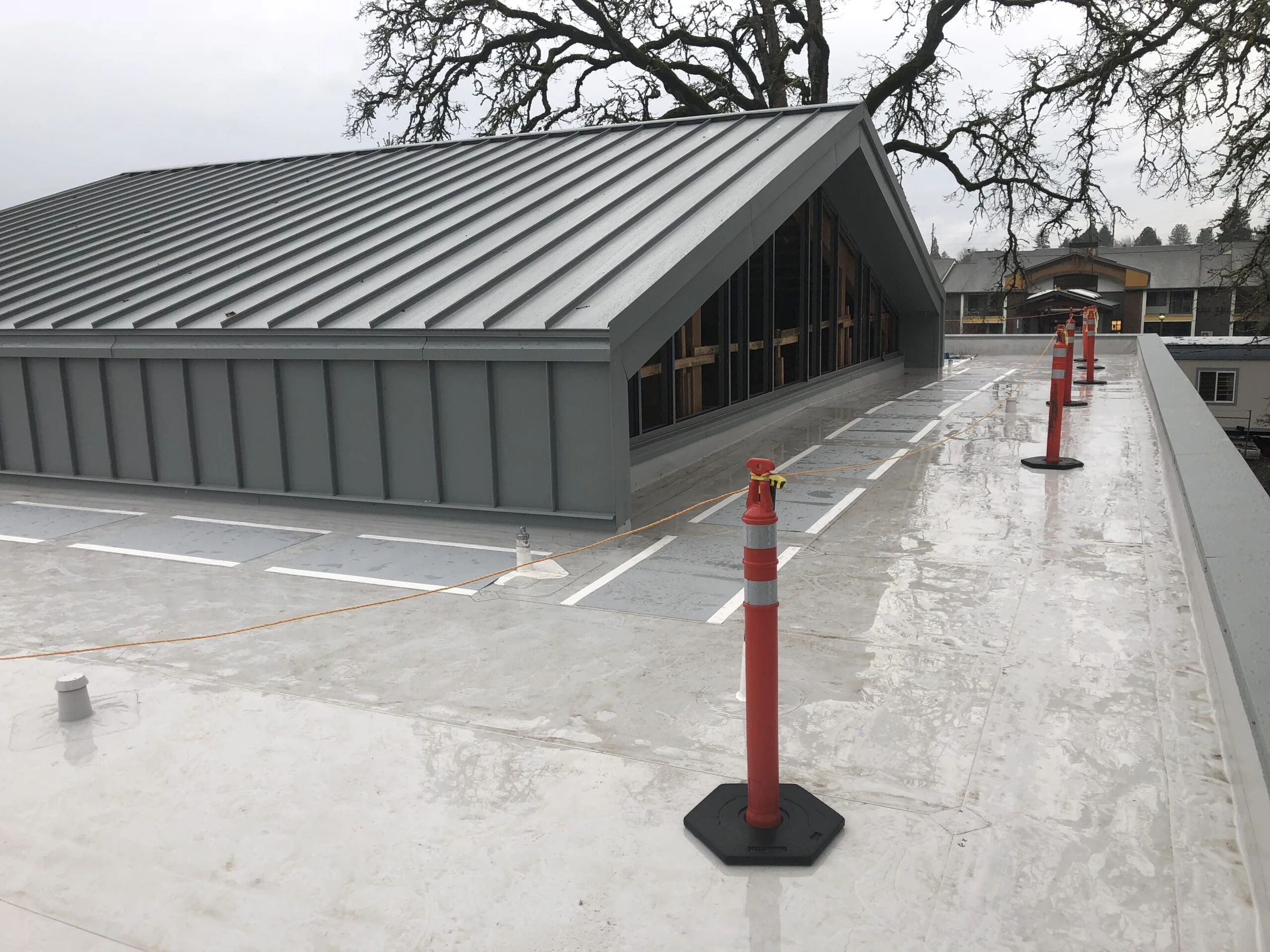
A useful maintenance program records recurring conditions, clears drainage, services vulnerable details, tracks repairs, and turns each visit into a prioritized roof history. Most emergency roof calls trace back to something small that was never checked, a clogged drain, a lifted seam edge, a cracked pitch pan. A maintenance program catches those before a thunderstorm turns them into a shutdown that interrupts your operation.
The Scope of Each Scheduled Roof Visit
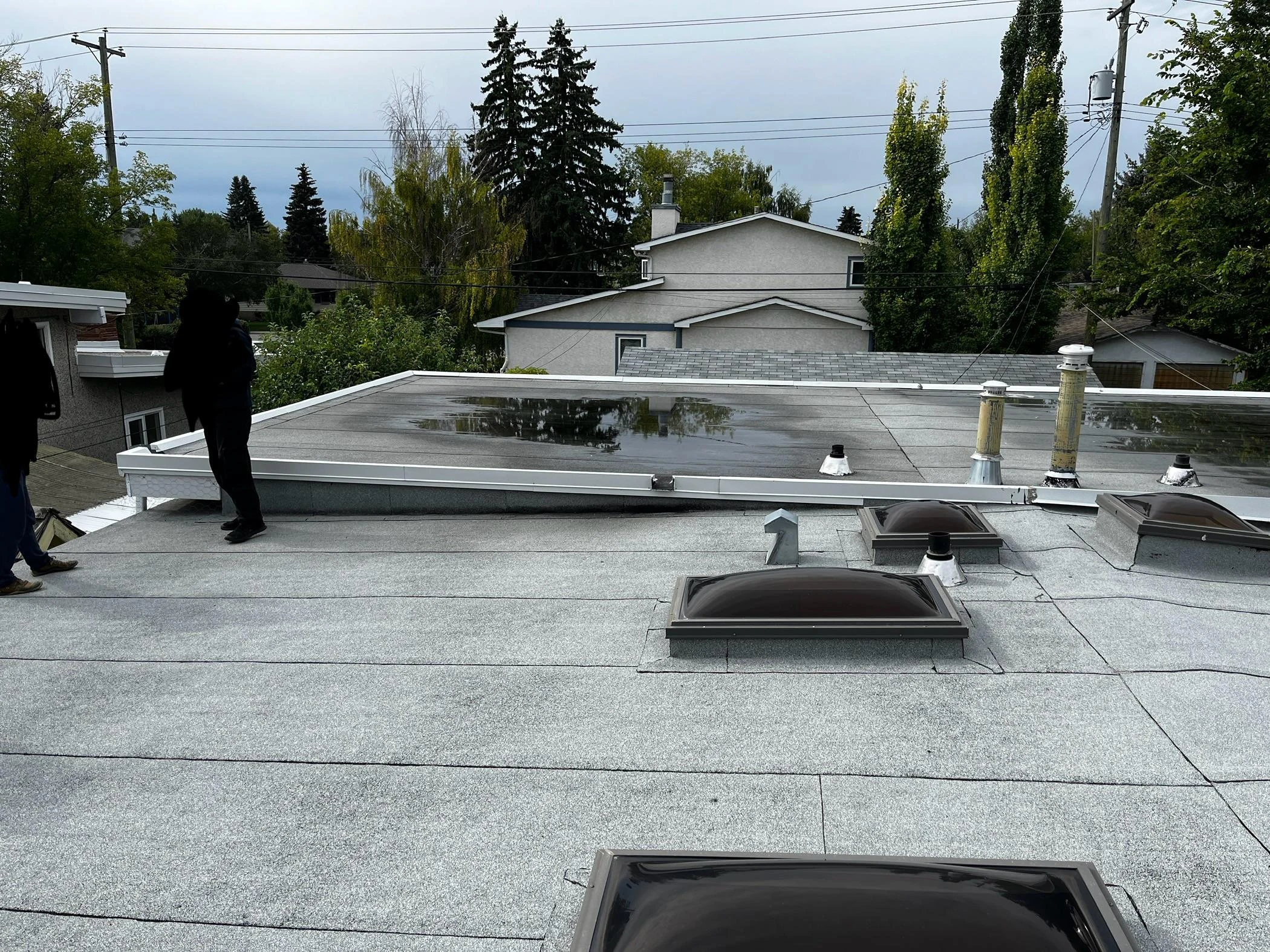
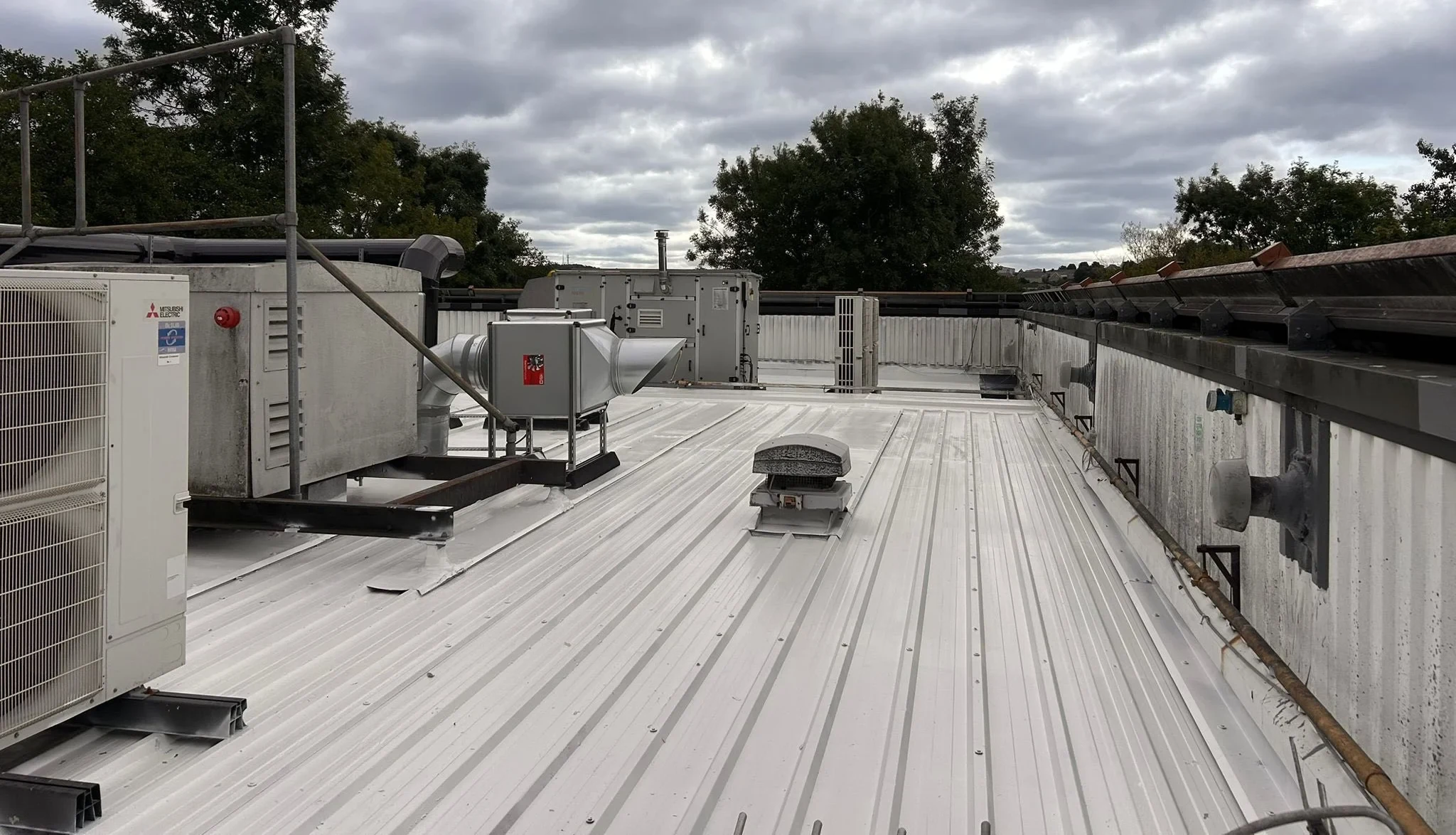
Every scheduled visit includes drain and scupper clearing, seam and flashing checks, and a walk of rooftop equipment curbs where most leaks originate. Debris that has blown onto the roof, common after Chattahoochee Valley storm season, gets cleared before it clogs a drain.
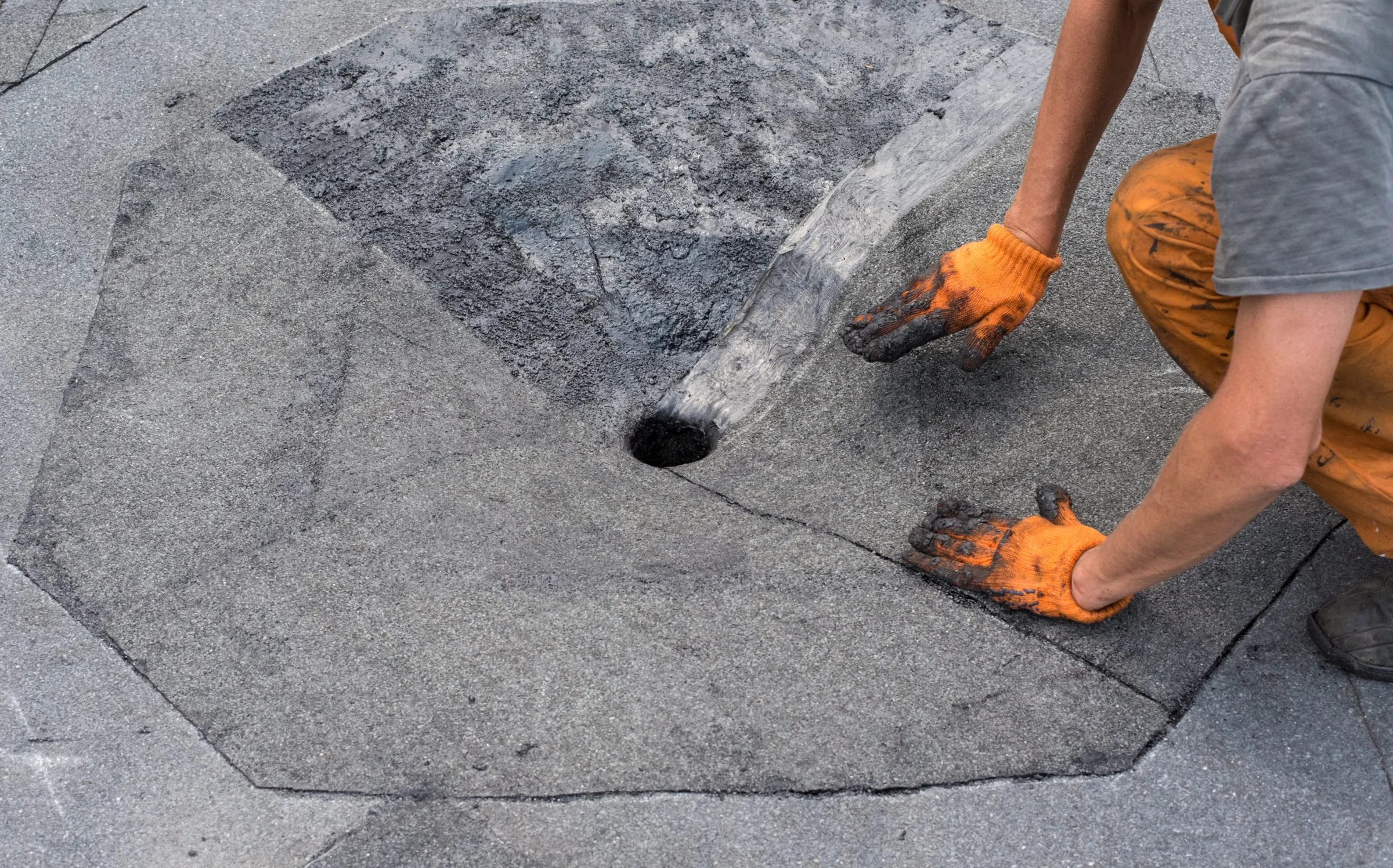
Small repairs like a lifted seam edge or a cracked pitch pan get fixed on the spot in most cases, rather than added to a future work order, which is how a maintenance program actually reduces emergency calls instead of just documenting problems.
We also check rooftop foot traffic paths and walkway pads where maintenance crews servicing HVAC units regularly cross the membrane, since repeated traffic without protection wears a roof down faster than weather alone in those specific spots.
Building the Schedule Around Your Storm Season
We set visit timing around Georgia's severe weather pattern, with a pre-storm-season visit in early spring and a post-summer check before fall, so drains and flashing are in known condition heading into the months when thunderstorm and tropical remnant activity is highest.
Buildings with rooftop units that run harder in summer, including data-processing facilities in the Aflac and TSYS corridor, sometimes add a mid-summer check focused on condensate lines and curb flashing around that equipment.
Extending the Life of an Aging Roof
A membrane that is fifteen years in can often reach twenty-five or more with consistent maintenance, because most premature failures come from small unaddressed issues compounding over several storm seasons rather than the membrane simply wearing out on schedule.
For owners weighing a reroof budget years out, a maintenance program buys time and gives us a documented condition history to point to when that capital decision does come up.
This matters most for owners running a tight facilities budget, where pushing a reroof from year fifteen to year twenty-two is a real difference in when a large capital expense hits the books, and a maintenance history gives that decision a factual basis instead of a guess.
- Drains, scuppers, and gutters cleared of debris each visit
- Seams and flashing checked at every penetration and parapet
- Small repairs handled on the spot rather than deferred
- Rooftop equipment curbs and condensate lines reviewed
- Visit timing set around Georgia's spring and late-summer storm windows
- Access scheduled around your shift changes or business hours
- Written summary after every visit, building a real maintenance history
Scheduling That Does Not Interrupt Operations
Maintenance visits get scheduled around shift changes for manufacturing and distribution tenants and outside peak hours for retail and office buildings, the same way we handle any roof access request. Dock doors and forklift lanes stay clear the entire visit.
We also keep a standing schedule on file so property managers are not chasing us down every quarter, and we send a heads-up ahead of each visit so building staff know when a crew will be on the roof and where access ladders or lifts will be placed.
What You Get After Each Visit
Every visit closes with a short written summary: what was cleared, what was repaired, and anything flagged for a future budget cycle. Over a few years, that record becomes a real maintenance history, useful for insurance renewals, property sales, or simply knowing what your roof has actually needed.
Programs for Multi-Building Portfolios
Property management firms and general contractors carrying several Columbus-area sites, from office space near TSYS and Synovus downtown to warehouse buildings out toward Opelika and LaGrange, benefit from a single maintenance calendar rather than juggling separate vendors and schedules per building.
We consolidate visit dates where geography allows, so a crew working the Airport Thruway park in the morning can cover a nearby site the same afternoon, which keeps costs predictable and gives a portfolio manager one point of contact instead of several.
Questions Columbus Facility Teams Ask About Programs
How many visits are included in a typical program?
Most programs run two scheduled visits a year, timed before and after Georgia's peak storm season, though we adjust frequency for older roofs or buildings with heavier rooftop equipment loads.
Are small repairs included, or do those get billed separately?
Minor repairs like clearing a drain, resealing a small seam, or fixing a loose flashing edge are typically handled during the visit itself. Larger repairs get scoped and quoted separately so there are no surprise charges.
Will maintenance visits disrupt our warehouse or retail operations?
No. We schedule around your shift changes or business hours and keep dock doors and customer entrances clear the entire time a crew is on site.
Does a maintenance program actually extend roof life?
Yes, in most cases significantly. Consistent maintenance catches the small failures that otherwise compound into major leaks or premature membrane replacement, and it gives you a clear record showing when and why any capital repair eventually becomes necessary.
Can you start a program on a roof you did not originally install?
Yes. We start with a baseline inspection to document existing condition, then build the maintenance schedule around what that roof actually needs, including any repairs from the prior contractor's work that need to be addressed first before a regular visit cadence makes sense going forward.
Ready to review the roof scope?