Silicone Roof Coatings in Columbus, GA

Commercial Roofing Services

Silicone Roof Coatings in Columbus, GA
Silicone Roof Coatings in Columbus, GA

Silicone Coatings to Stop Ponding Without a Tear-Off

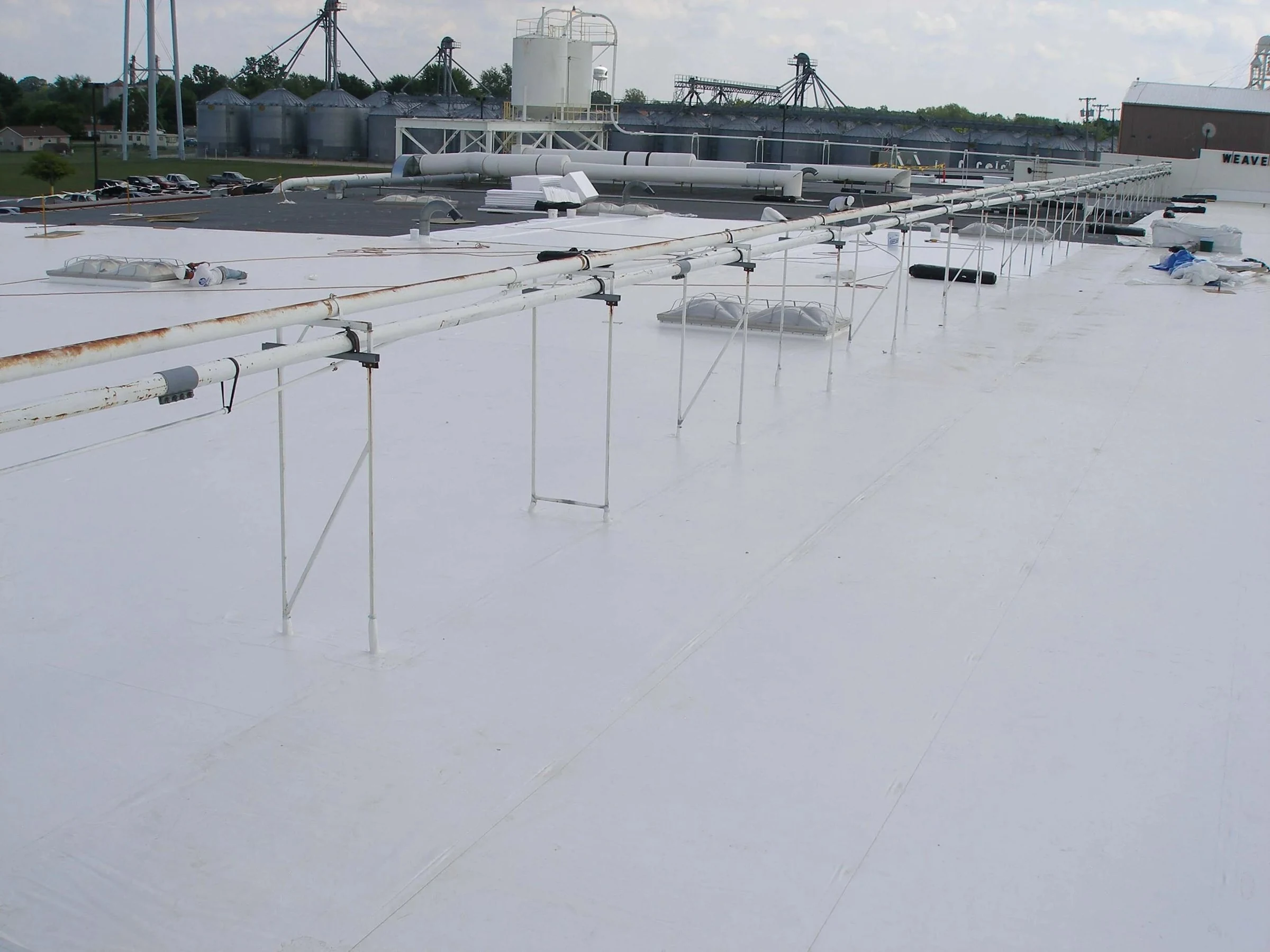
Ponding water is the most common reason we get called out to a flat commercial roof in this market, and silicone coating is often the answer that solves it without pulling the building's operation into a full tear-off and replacement project. Silicone's resistance to standing water sets it apart from most other coating chemistries, which matters given how much rain this region gets in a short window during a heavy thunderstorm or tropical system remnant.

Why Ponding Is a Persistent Problem Here

Flat and low-slope roofs on dock-heavy distribution buildings and older institutional structures often have drainage that was adequate when installed but has since been compromised by structural settling, added rooftop equipment changing water flow, or drains that clog faster than they used to. When a heavy rain event drops several inches in an hour or two, which happens here during summer thunderstorms and occasionally during tropical remnant systems, marginal drainage becomes standing water that can sit for days.

Standing water degrades most membranes over time, whether through UV magnification, algae growth, or simply extended saturation at seams and laps. A coating that can tolerate that exposure without breaking down extends the roof's service life in a way that a coating rated only for occasional moisture cannot.

We see this pattern most on buildings where an addition or a later rooftop equipment install changed the original drainage design without anyone reworking the slope or adding a drain. That kind of incidental ponding is common enough in this market that we treat drainage mapping as a standard part of every roof evaluation, not an extra step reserved for roofs with an obvious history of leaks.

Why Silicone Handles Ponding Better Than Other Coatings

Silicone's chemical structure resists hydrolysis, meaning prolonged water contact doesn't break down the coating the way it can with acrylic or some urethane formulations. That makes it the right choice specifically for roof areas with known ponding, even where the majority of the roof field drains adequately and wouldn't need silicone's added cost.

We map ponding patterns during the initial inspection, sometimes over multiple visits after different rain events, to identify where water actually collects rather than assuming a flat-looking roof drains evenly.

Coating Over Existing Substrates

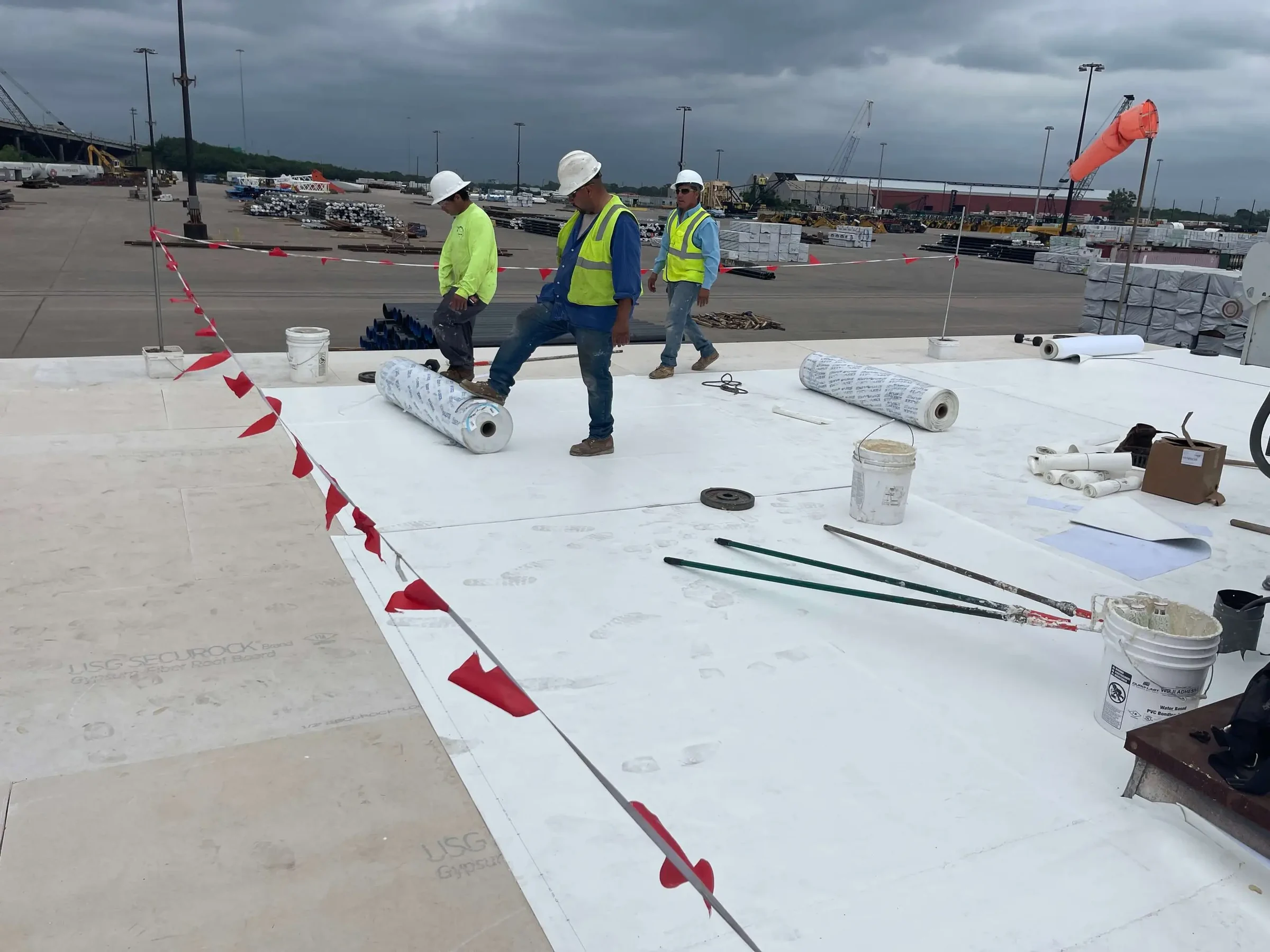
Silicone coats over TPO, EPDM, modified bitumen, and metal roofing, provided the existing membrane is properly cleaned and, in some cases, primed first. On an aging membrane that's still structurally sound but showing UV degradation or minor granule loss, coating extends its service life without the cost or downtime of a full replacement. We test adhesion on a section before committing to a full-roof application, since substrate condition varies enough between roofs that a blanket assumption isn't reliable.

Keeping the Building Operational During Coating

Coating work generates far less debris and disruption than a tear-off, which is part of why it fits buildings that can't tolerate extended downtime. Even so, we plan around occupancy:

  • Scheduling application during dry weather windows to allow proper cure time
  • Coordinating with facilities staff on odor sensitivity for occupied buildings like hospitals or hotels
  • Keeping rooftop equipment access clear throughout the application process
  • Sequencing application to avoid trapping moisture under freshly coated sections during a surprise storm
  • Protecting dock door areas and staging zones from overspray or foot traffic during cure

Preparation Steps That Determine Coating Performance

A coating is only as good as the surface it's applied to. We pressure wash to remove chalking, algae, and surface contamination, repair any active leaks or seam failures before coating rather than coating over them, and confirm deck moisture levels are within range, since coating over a wet substrate traps moisture rather than solving the underlying problem. On roofs with a long history of ponding, we sometimes recommend adding tapered insulation crickets ahead of the coating application to correct drainage rather than coating over a flat area that will keep collecting water regardless of coating quality.

Common Questions About Silicone Coatings

Will silicone coating actually stop our ponding water problem?

It won't change the roof's slope or drainage, but it resists the degradation that standing water causes to most membranes, which extends the roof's service life even where ponding continues to occur.

Can you coat over our existing membrane without a tear-off?

In most cases, yes, provided the membrane is structurally sound and properly cleaned or primed first. We test adhesion before committing to a full application.

How long does the coating need to cure before rain?

Cure time varies by product and weather conditions. We schedule application during dry windows specifically to give the coating time to set before the next rain event.

Is there an odor concern for an occupied hospital or hotel?

We coordinate with facilities staff ahead of time and can select lower-odor formulations or adjust scheduling and ventilation for buildings where that's a real concern for patients or guests.

How long does a silicone coating typically last?

Service life depends on substrate condition and coating thickness applied, but a properly prepared and applied silicone coating extends roof life well beyond what an uncoated aging membrane would achieve on its own. We recommend a recoat inspection cycle rather than waiting for visible wear, since catching thinning coverage early on a specific slope, seam, or ponding area is generally far, far cheaper than a full recoat across the entire roof surface later on down the road.

Ready to review the roof scope?
Commercial Roof Restoration and Coating in Columbus

Ponding water is the most common reason we get called out to a flat commercial roof in this market, and silicone coating is often the answer that solves it without pulling the building's operation into a full tear-off and replacement project. Silicone's resistance to standing water sets it apart from most other coating chemistries, which matters given how much rain this region gets in a short window during a heavy thunderstorm or tropical system remnant.

Why Ponding Is a Persistent Problem Here

Flat and low-slope roofs on dock-heavy distribution buildings and older institutional structures often have drainage that was adequate when installed but has since been compromised by structural settling, added rooftop equipment changing water flow, or drains that clog faster than they used to. When a heavy rain event drops several inches in an hour or two, which happens here during summer thunderstorms and occasionally during tropical remnant systems, marginal drainage becomes standing water that can sit for days.

Standing water degrades most membranes over time, whether through UV magnification, algae growth, or simply extended saturation at seams and laps. A coating that can tolerate that exposure without breaking down extends the roof's service life in a way that a coating rated only for occasional moisture cannot.

We see this pattern most on buildings where an addition or a later rooftop equipment install changed the original drainage design without anyone reworking the slope or adding a drain. That kind of incidental ponding is common enough in this market that we treat drainage mapping as a standard part of every roof evaluation, not an extra step reserved for roofs with an obvious history of leaks.

Why Silicone Handles Ponding Better Than Other Coatings

Silicone's chemical structure resists hydrolysis, meaning prolonged water contact doesn't break down the coating the way it can with acrylic or some urethane formulations. That makes it the right choice specifically for roof areas with known ponding, even where the majority of the roof field drains adequately and wouldn't need silicone's added cost.

We map ponding patterns during the initial inspection, sometimes over multiple visits after different rain events, to identify where water actually collects rather than assuming a flat-looking roof drains evenly.

Coating Over Existing Substrates

Silicone coats over TPO, EPDM, modified bitumen, and metal roofing, provided the existing membrane is properly cleaned and, in some cases, primed first. On an aging membrane that's still structurally sound but showing UV degradation or minor granule loss, coating extends its service life without the cost or downtime of a full replacement. We test adhesion on a section before committing to a full-roof application, since substrate condition varies enough between roofs that a blanket assumption isn't reliable.

Keeping the Building Operational During Coating

Coating work generates far less debris and disruption than a tear-off, which is part of why it fits buildings that can't tolerate extended downtime. Even so, we plan around occupancy:

Preparation Steps That Determine Coating Performance

A coating is only as good as the surface it's applied to. We pressure wash to remove chalking, algae, and surface contamination, repair any active leaks or seam failures before coating rather than coating over them, and confirm deck moisture levels are within range, since coating over a wet substrate traps moisture rather than solving the underlying problem. On roofs with a long history of ponding, we sometimes recommend adding tapered insulation crickets ahead of the coating application to correct drainage rather than coating over a flat area that will keep collecting water regardless of coating quality.

Common Questions About Silicone Coatings

Will silicone coating actually stop our ponding water problem?

It won't change the roof's slope or drainage, but it resists the degradation that standing water causes to most membranes, which extends the roof's service life even where ponding continues to occur.

Can you coat over our existing membrane without a tear-off?

In most cases, yes, provided the membrane is structurally sound and properly cleaned or primed first. We test adhesion before committing to a full application.

How long does the coating need to cure before rain?

Cure time varies by product and weather conditions. We schedule application during dry windows specifically to give the coating time to set before the next rain event.

Is there an odor concern for an occupied hospital or hotel?

We coordinate with facilities staff ahead of time and can select lower-odor formulations or adjust scheduling and ventilation for buildings where that's a real concern for patients or guests.

How long does a silicone coating typically last?

Service life depends on substrate condition and coating thickness applied, but a properly prepared and applied silicone coating extends roof life well beyond what an uncoated aging membrane would achieve on its own. We recommend a recoat inspection cycle rather than waiting for visible wear, since catching thinning coverage early on a specific slope, seam, or ponding area is generally far, far cheaper than a full recoat across the entire roof surface later on down the road.

Give the first call enough information to work

Before dispatch, collect the address, responsible building contact, safe access route, occupied area below the problem, time and behavior of the leak, known roof type, and any temporary protection already attempted at the Columbus property. The caller should not be asked to diagnose the assembly from the floor. A short description of timing, location, volume, affected equipment, and previous occurrences is more useful than guessing which roof product failed. Clear intake notes reduce wasted roof time and prevent the handoff from losing urgent details. They also create the first event in the roof history that later inspections and repair records can reference.

Make allowances and exclusions visible

A proposal should distinguish verified quantities from allowances and investigation from construction. Roof area, repair limits, test cuts, wet-material removal, deck repair, drain work, equipment coordination, and interior protection can carry different pricing certainty. Alternates are useful when they compare real decisions, such as repair versus restoration preparation or recover versus tear-off. They are less useful when major necessary work is moved out of the base price simply to make one proposal appear lower. Closeout requirements should be priced as part of the work: final photographs, repair locations, warranty or material records, open punch items, and the next recommended inspection. Those documents keep the completed scope connected to the roof plan.

Connect the roof problem to the building and weather

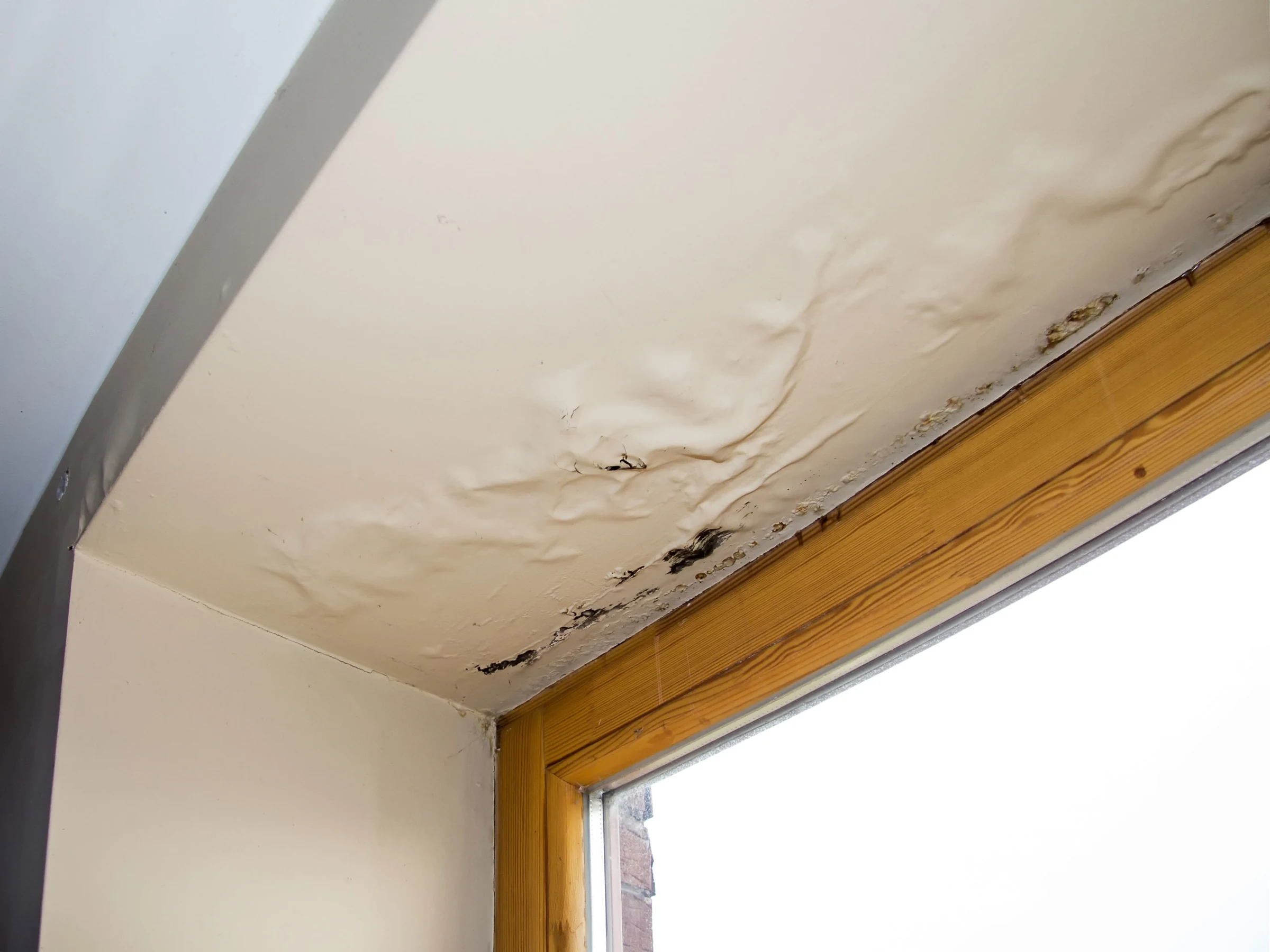
Columbus, GA roofs work through heavy thunderstorms, high heat, humidity, wind-driven rain, and tropical weather remnants. That exposure guides the field sequence, but it does not by itself explain an aging but potentially serviceable roof where owners need to know whether repairs and a coating or recover system can extend useful life without concealing wet or failed materials. Start with the room, ceiling grid, equipment, wall line, and time of entry, then carry those coordinates to the roof. Comparing high and low points, rooftop details, prior patches, and flow paths is more reliable than standing over the first wet-looking surface. A useful report does not hide uncertainty. It names the unverified areas, explains why they were inaccessible, and states which follow-up observation or test would resolve the question.

What the field record must establish

The core deliverable is a record of roof type and age, core or moisture findings, repair boundaries, substrate condition, adhesion results, drainage, penetrations, edge details, preparation, thickness assumptions, and exclusions. Commercial Roofers of Columbus should be able to hand that record to ownership, a facility manager, or another contractor without a separate verbal explanation. The practical method is to confirm the existing assembly, investigate moisture, test adhesion where appropriate, define repairs and preparation, and verify that drainage and details can support the proposed system. Where destructive or electronic testing is proposed, the scope should identify its purpose, limitations, and restoration procedure before work begins. Temporary protection, permanent repair, routine maintenance, and capital recommendations belong in separate sections. This keeps a successful dry-in from being mistaken for the completed repair and lets competing proposals be compared on the same basis.

Roof-system details change the diagnosis

Roof-system identification changes the diagnosis. Around Columbus, the target page inventory includes Spray Polyurethane Foam, EPDM White, and TPO 80 Mil, each with its own seam, flashing, fastener, and compatibility questions. Preparation and repair language must fit the substrate. Cleaning, drying, reinforcement, fastening, priming, welding, adhesion, and cure requirements should not be copied from one roof system to another without verification. The final comparison should show which materials can accept repair or restoration, which areas need removal, and which unknowns could change the scope. Product preference comes after those conditions are established.

Plan access, interiors, tenants, and daily dry-in

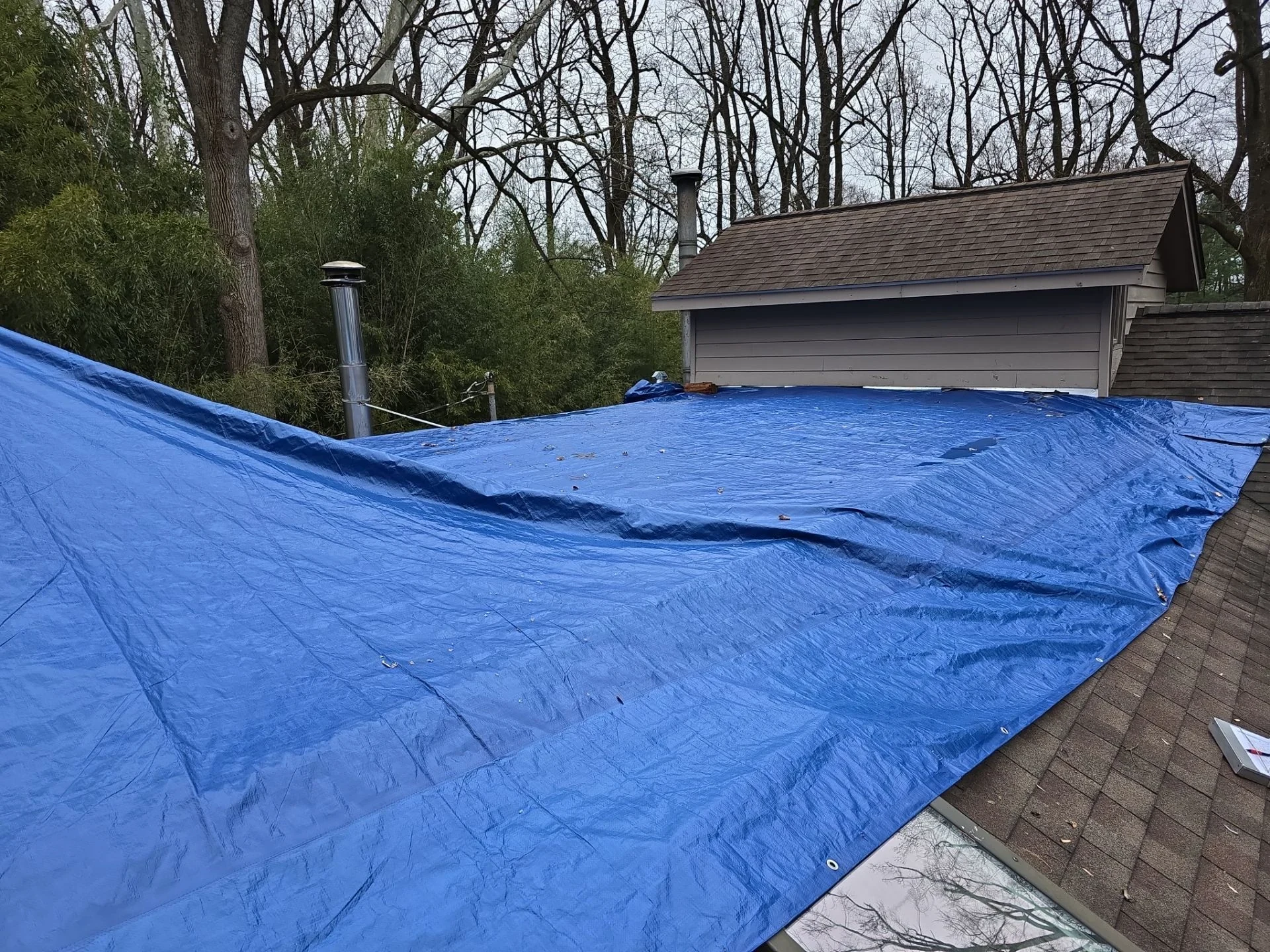
Building operations change how the same roof work is performed. On Healthcare Systems, Retail Chain Operators, or Government Public Sector, access, interior sensitivity, security, and working hours can define the safe sequence. Document roof access, sensitive rooms and inventory, deliveries, public entrances, tenant hours, exhausts and air intakes, interior evidence, and the route used to move tools and debris. These conditions belong in the written scope before scheduling. A dry-in can be appropriate during active weather even when permanent work must wait. The crew's daily record should identify every temporary edge, cover, ballast, drain protection, and remaining exposure before leaving the property.

Separate immediate service from capital work

The recommendation must answer whether the roof is a viable restoration candidate, whether only selected areas qualify, or whether recover or replacement is the more responsible path. An isolated repair, repair program, restoration, recover assembly, and full replacement solve different condition patterns and should not be presented as interchangeable price levels. The option matrix should address present failure, remaining risk, investigation still required, installation disruption, anticipated service interval, and future maintenance. Unknown inputs should be visible rather than buried in an allowance. Ownership should be able to see why a roof can be maintained, why it qualifies for restoration, or why removal is necessary. The report earns that conclusion through field evidence rather than sales urgency.

The handoff should survive the service call

After this scope, the record should advance to a documented comparison of repair, restoration, recover, and replacement rather than a coating-first recommendation. Carrying the same roof-zone names and evidence forward prevents the next visit from starting with an empty file. For one building, that history makes the next visit faster and reveals whether a repair held. Across a portfolio, it lets ownership rank roofs by condition, operational risk, repair spending, and capital timing instead of reacting to the newest ceiling stain. The result is more than a completed patch or proposal. It is a controlled sequence from immediate response to documented condition, from condition to an appropriate option, and from that option to scheduled stewardship of the roof asset.

Columbus decision checklist

  • Map the interior symptom to a named roof area before selecting a repair detail.
  • Record temporary measures separately from permanent work and list every open item.
  • Verify drainage, penetrations, walls, edges, earlier repairs, and transitions around the affected area.
  • State the observed roof assembly, unknown construction, access limits, and testing assumptions.
  • Connect the recommendation to repair, restoration, replacement, maintenance, or capital-planning thresholds.
  • Set the next inspection or follow-up date so the roof history continues after this visit.

Commercial roof decision questions

Does this condition automatically mean the roof must be replaced?

No. The review should establish whether the roof is a viable restoration candidate, whether only selected areas qualify, or whether recover or replacement is the more responsible path. Replacement becomes a defensible recommendation only when the field evidence, moisture, assembly condition, repair history, deck or attachment concerns, and lifecycle comparison support it.

What should the Columbus roof scope document?

It should document roof type and age, core or moisture findings, repair boundaries, substrate condition, adhesion results, drainage, penetrations, edge details, preparation, thickness assumptions, and exclusions. It should also label temporary and permanent work separately, state assumptions and exclusions, and identify the inspection or service step that follows the current scope.

How does an urgent call become a maintenance or capital plan?

The immediate visit creates the first roof-area record. A follow-up inspection establishes condition and priorities. Completed repairs, recurring observations, drain service, warranties, and future recommendations are then retained so maintenance stays scheduled and larger work can be placed into the appropriate capital year.

From service call to roof plan

Use the next decision, not the biggest sale.

Stabilize the problem, document the roof, compare the viable paths, and keep the resulting roof history active.

Request commercial roof help

Roof Help