Roof Systems
PVC Roof Systems in Columbus, GA
PVC Roof Systems for Columbus Facilities
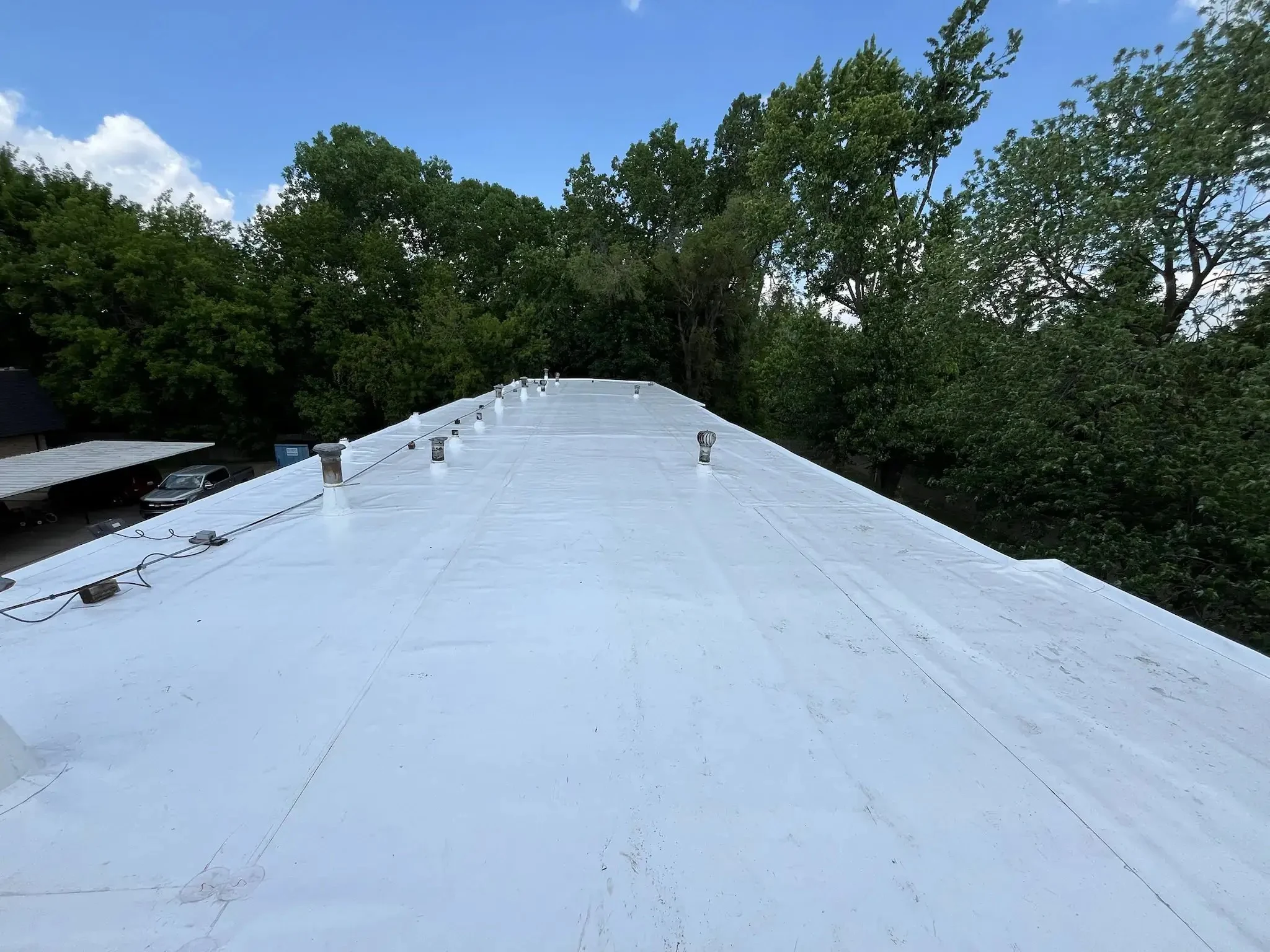
PVC is the membrane we reach for when a Columbus roof faces something more than weather, restaurant grease exhaust, manufacturing chemical exposure, or rooftop equipment that leaks oil. The chemistry that lets PVC resist those substances is different from TPO or EPDM, and it changes both the installation approach and the buildings where the system earns its premium.
Why Chemical and Grease Resistance Matters Here
Restaurant and food-service buildings around the retail corridors near Columbus's hotel and dining district run kitchen exhaust that deposits grease directly onto the roof surface near hood vents. Standard TPO and EPDM membranes can soften or degrade under sustained grease contact, while PVC's chemical composition resists that breakdown, which is why we specify it on nearly every restaurant reroof we quote regardless of what was on the building before.
Manufacturing buildings tied to the automotive supplier network along the LaGrange and West Point corridors sometimes vent process chemicals or store rooftop equipment with oil-based lubricants, and the same resistance that protects a restaurant roof protects an industrial one. We walk each building's rooftop equipment and exhaust points before recommending PVC over a lower-cost single-ply, because the premium is only worth paying where the exposure is real.
Heat-Welded Seams Under Georgia Rain Loads
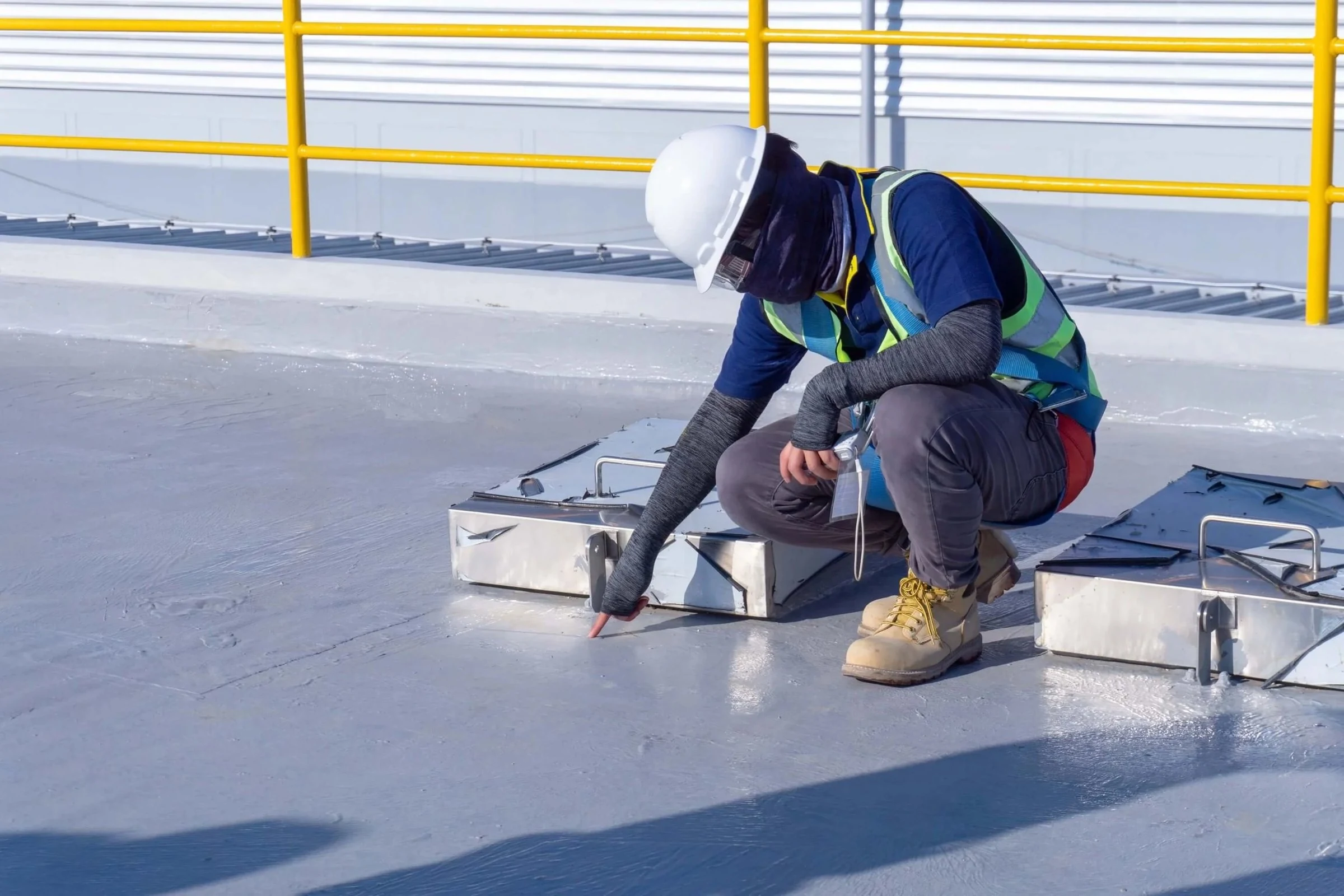
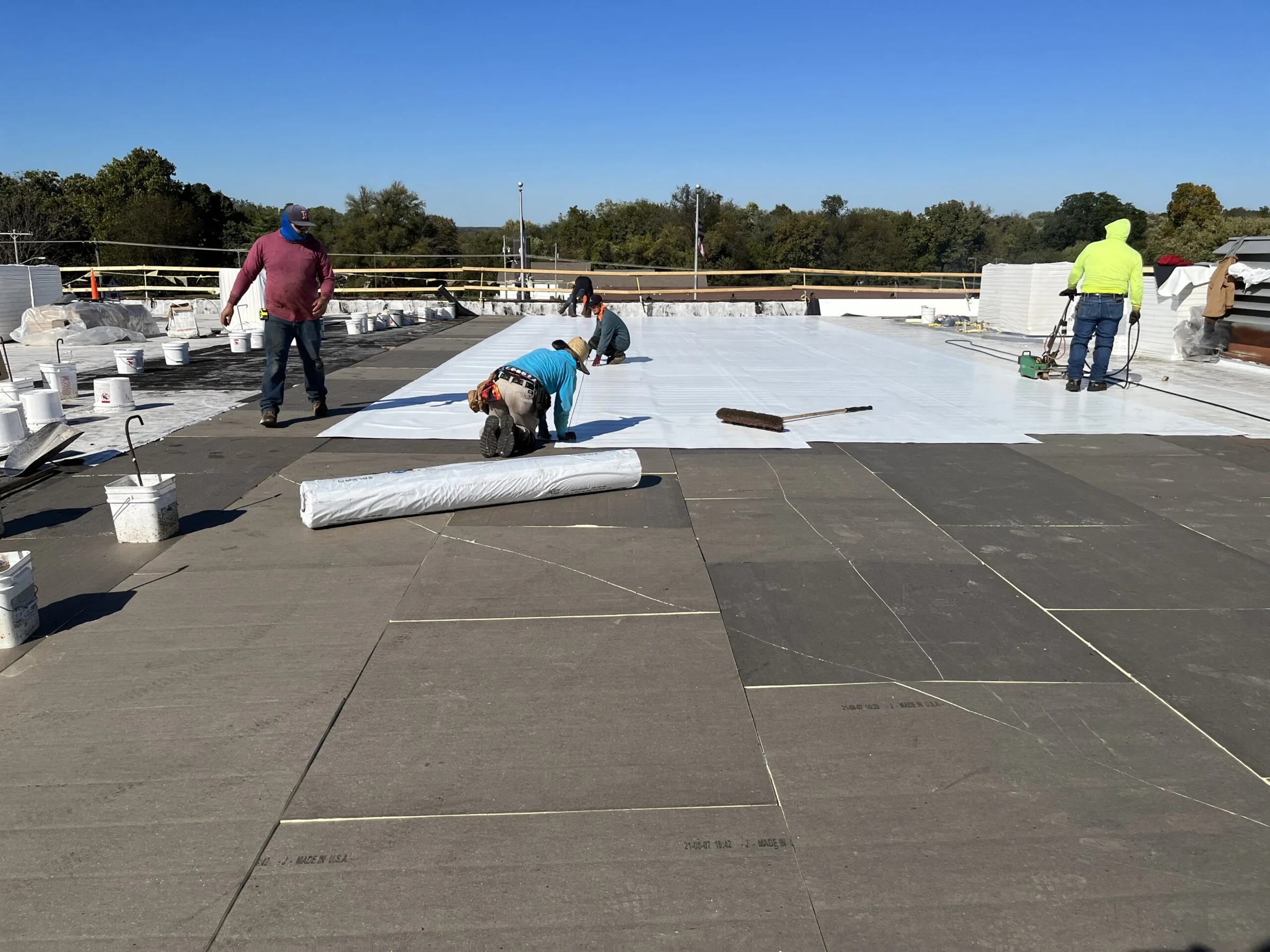
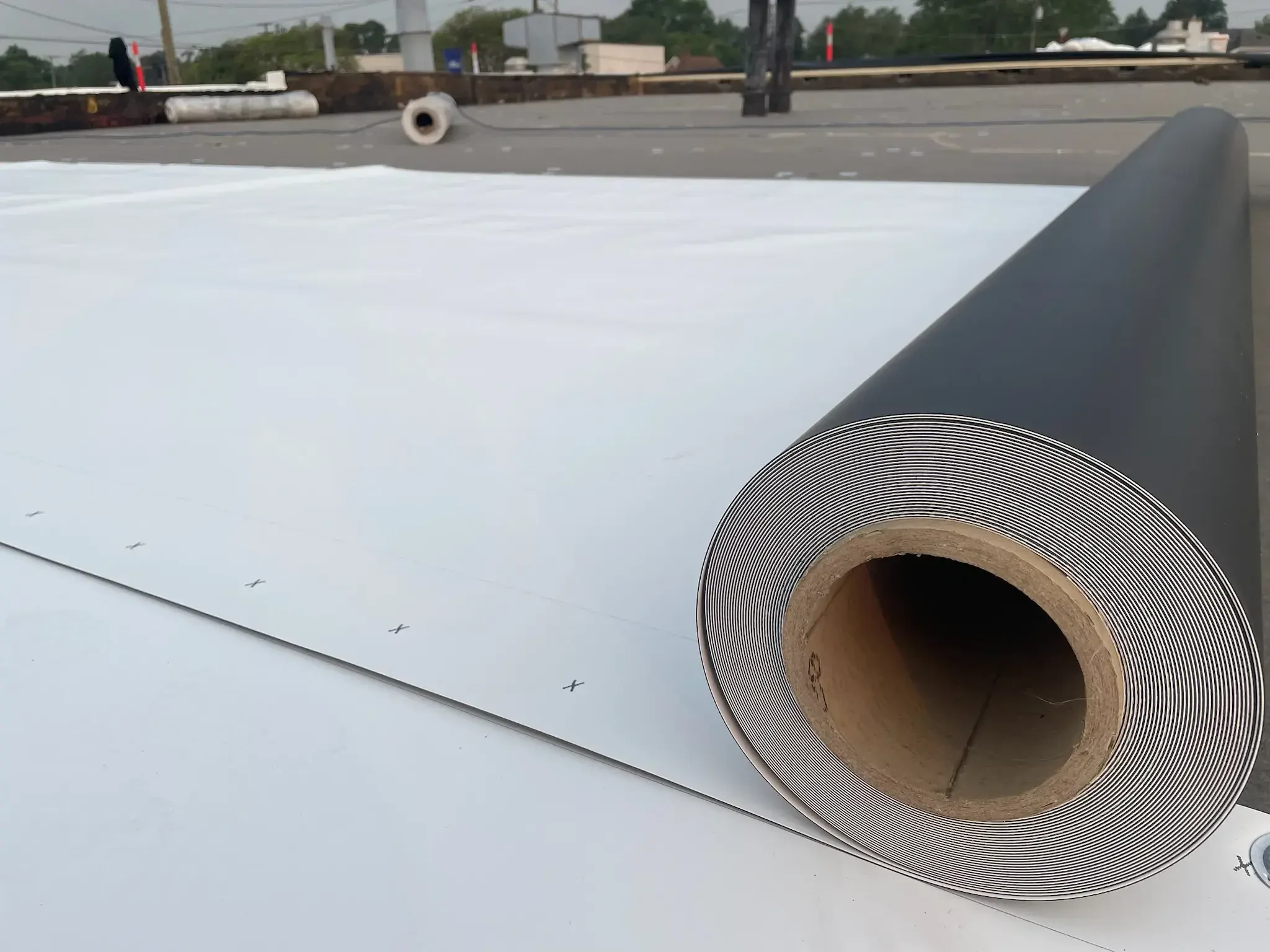
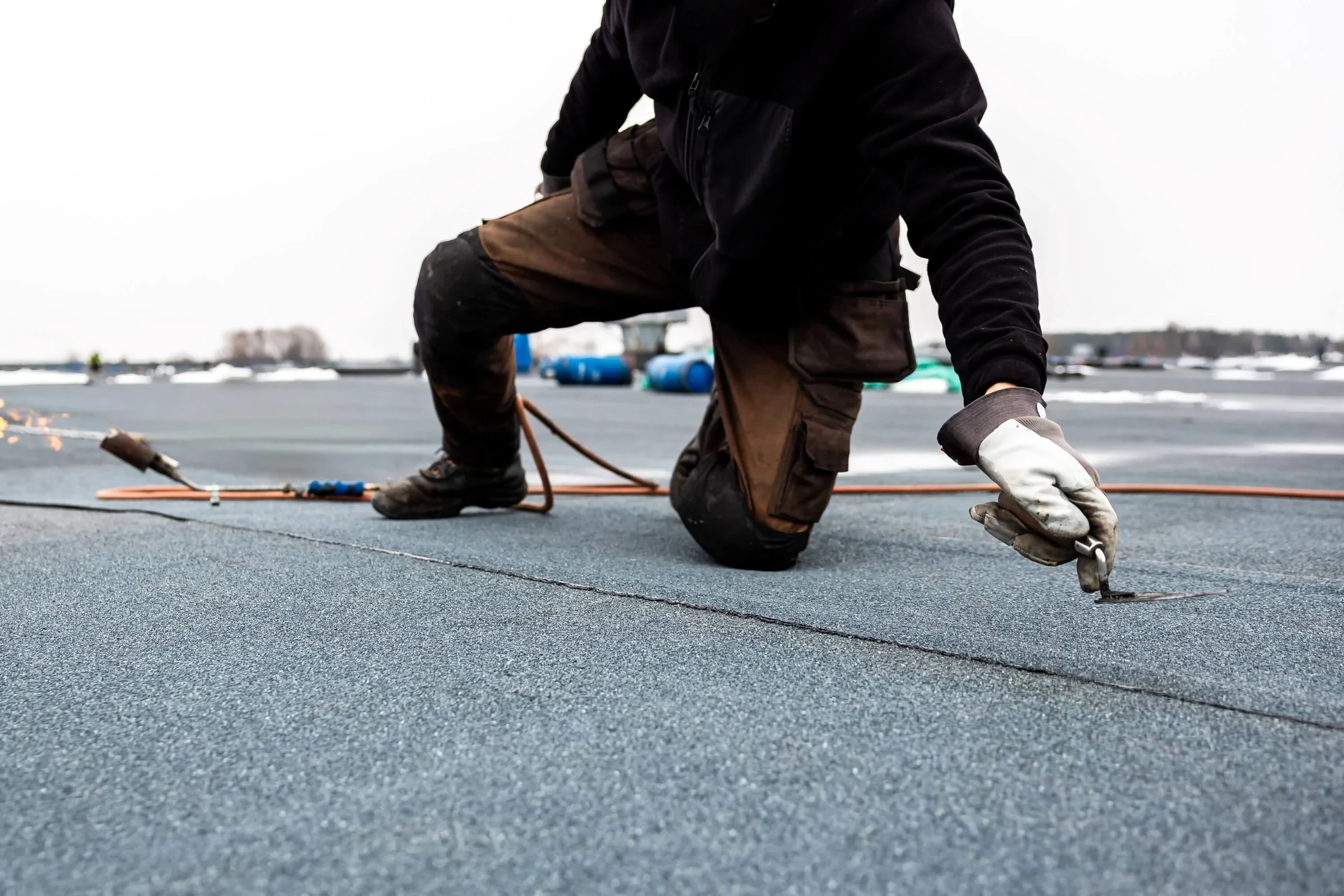
PVC seams are hot-air welded the same way TPO seams are, which produces a monolithic, inspectable bond rather than a taped or adhesive lap. That weld strength matters most when a tropical system remnant tracks across Georgia and drops heavy sustained rain, since the seam is under continuous water load for a day or more rather than a typical afternoon thunderstorm. We probe every weld before closeout regardless of the membrane, but PVC's weld chemistry gives us slightly more working temperature range on cooler installation days than TPO does.
UV Stability and Surface Aging
PVC membrane holds up well under sustained ultraviolet exposure, and manufacturers have improved the plasticizer formulations over the years specifically to reduce the brittleness that older PVC products were known for. A Columbus summer puts months of continuous UV load on a rooftop membrane, and we look at a manufacturer's current plasticizer technology, rather than relying on the membrane's reputation from a decade ago, when we spec a product line for a client.
Keeping a Restaurant or Plant Running During Reroof
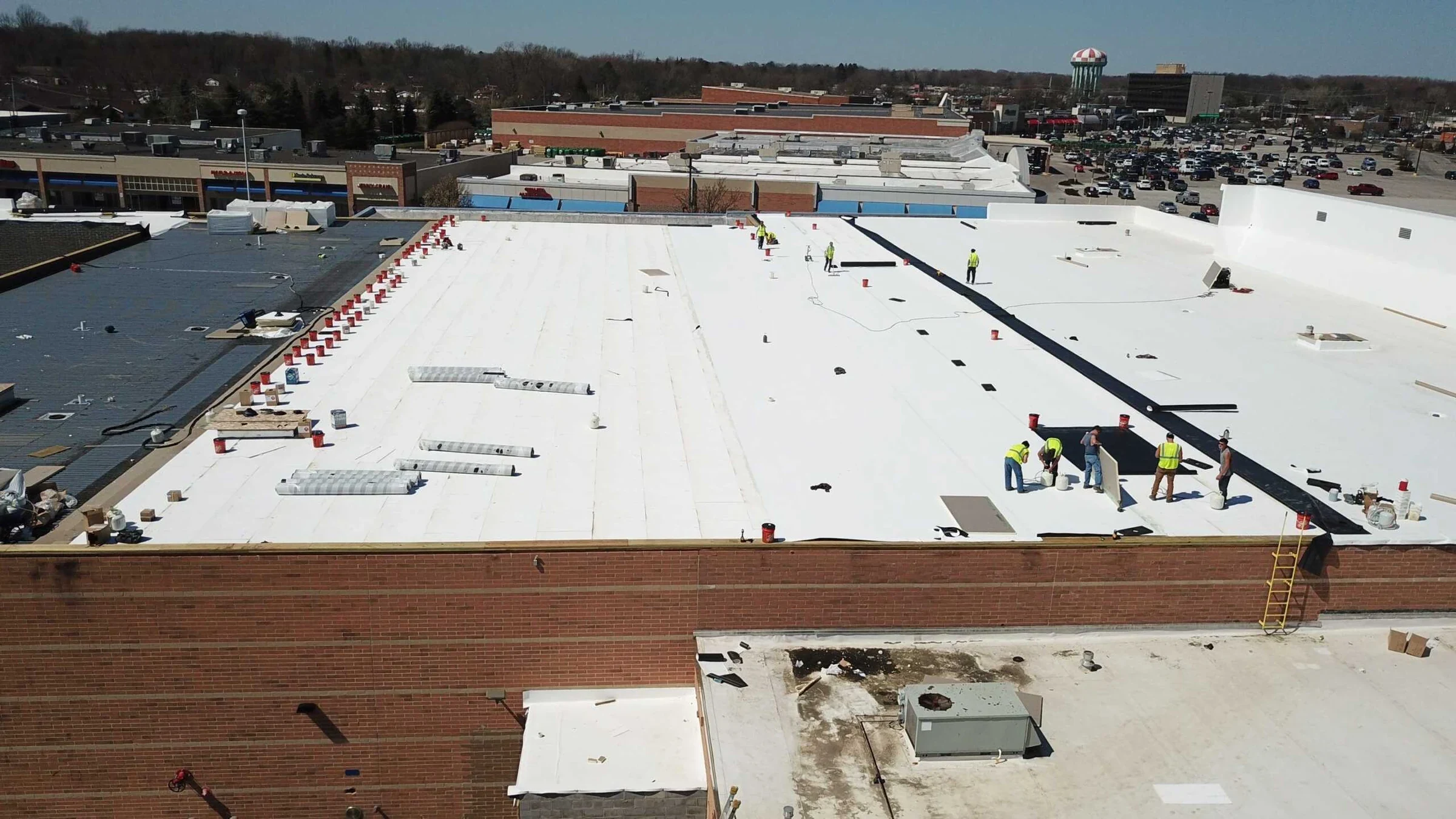
A restaurant cannot close its kitchen for a week while the roof over the hood vents comes off, and a manufacturing line often runs on a schedule the roofing crew has to work around, not the other way. We phase tear-off and PVC install in sections tied to the client's operating hours, keep exhaust fans and rooftop equipment functional between phases wherever the sequence allows it, and stage material away from delivery and dumpster access points that a restaurant depends on daily.
On manufacturing buildings, we coordinate rooftop access with whatever process shutdown windows the plant already has planned rather than asking the client to create a special outage just for the roofing crew.
Wind Uplift and Attachment
PVC installs mechanically attached or fully adhered, and we size the attachment method to the building's wind-uplift requirement the same way we do for TPO, with fastening density increased at corners and perimeters where thunderstorm gusts concentrate load. Rooftop equipment commonly found on manufacturing buildings, exhaust fans, grease traps, ductwork, adds penetration points that we detail individually rather than treating as a standard field condition.
Hail Impact on Chemical-Resistant Membrane
PVC's impact resistance is comparable to TPO when paired with a proper cover board, and we do not treat chemical resistance as a substitute for hail protection. Severe thunderstorm cells moving through the Chattahoochee Valley carry hail large enough to bruise any membrane laid over soft insulation, so a high-density cover board goes under PVC on hail-exposed sites just as it does under our other single-ply systems.
- Restaurant and food-service kitchen exhaust areas
- Manufacturing buildings with chemical or solvent exposure
- Buildings with rooftop equipment prone to oil or lubricant leaks
- Grease trap and exhaust hood roof penetrations
- Facilities near automotive supplier operations
PVC Questions From Columbus Building Owners
Do we actually need PVC, or will TPO work for our restaurant roof?
If your kitchen exhaust deposits grease anywhere near the roof surface, PVC is worth the premium. TPO can soften under sustained grease contact in a way PVC's chemistry resists, and we have seen that failure firsthand on reroofs we have replaced.
Is PVC more expensive than TPO?
Generally yes, PVC carries a material cost premium over standard TPO. We only recommend it where the building's actual exposure, grease, chemicals, or oil, justifies paying for that resistance rather than defaulting to it on every job.
How does PVC hold up in Columbus heat and UV?
Current PVC formulations hold up well under sustained summer UV exposure. We look at each manufacturer's current plasticizer technology rather than relying on PVC's older reputation for brittleness, since the chemistry has genuinely improved.
Does PVC handle heavy rain from tropical storm remnants?
The hot-air-welded seam sheds sustained rain volume as reliably as a TPO weld, and we hold the same seam-probe inspection standard on every PVC project before closeout.
Can PVC go over an existing EPDM or built-up roof?
It depends on the existing roof's condition and whether code allows a recover on that building. We evaluate the deck, insulation moisture, and existing membrane before recommending a PVC recover instead of a tear-off.
Ready to review the roof scope?