Commercial Roofing Services
Commercial Roof Replacement in Columbus, GA
Tear-Off and Replacement Sequenced Around Your Operation
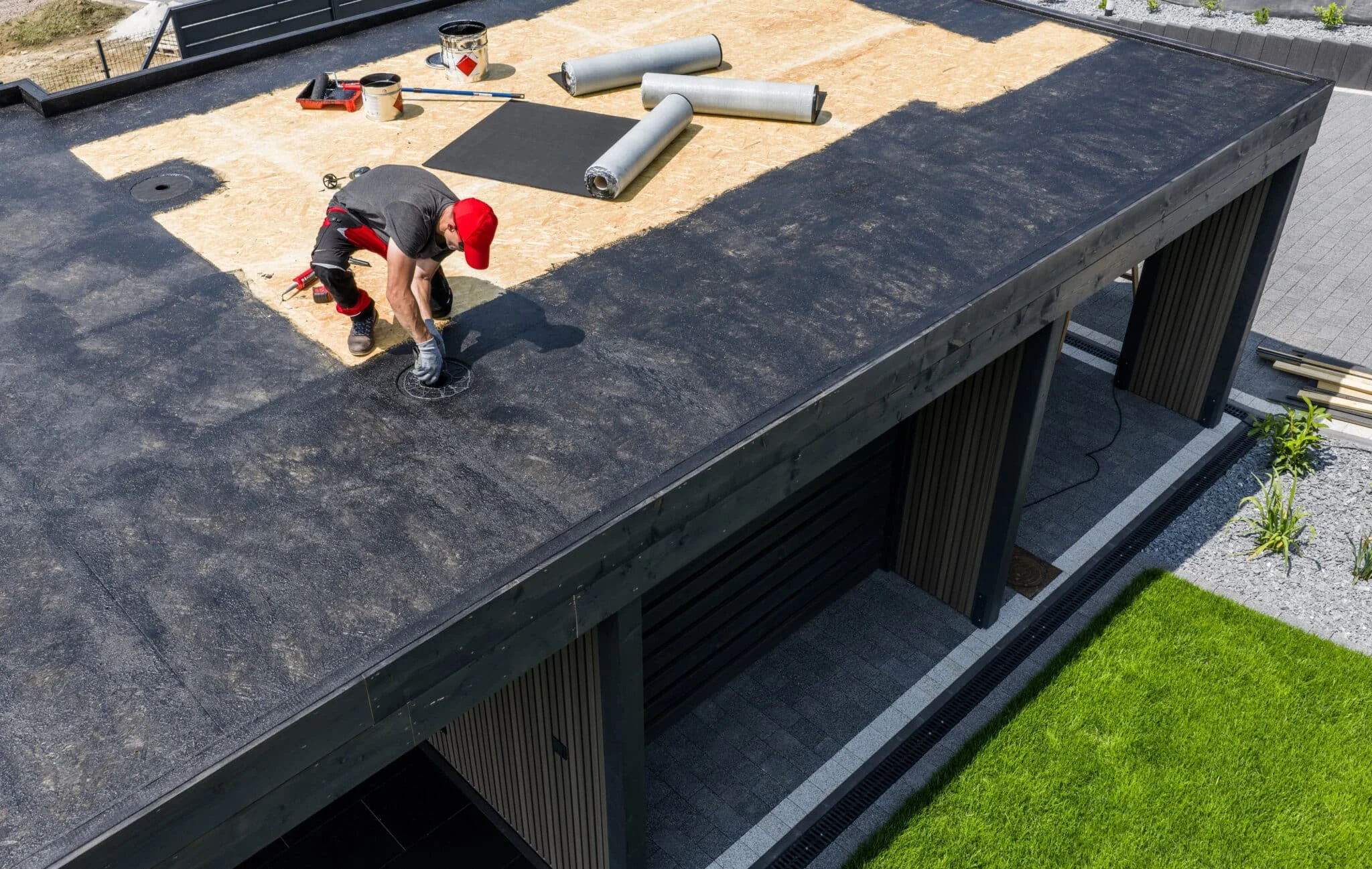
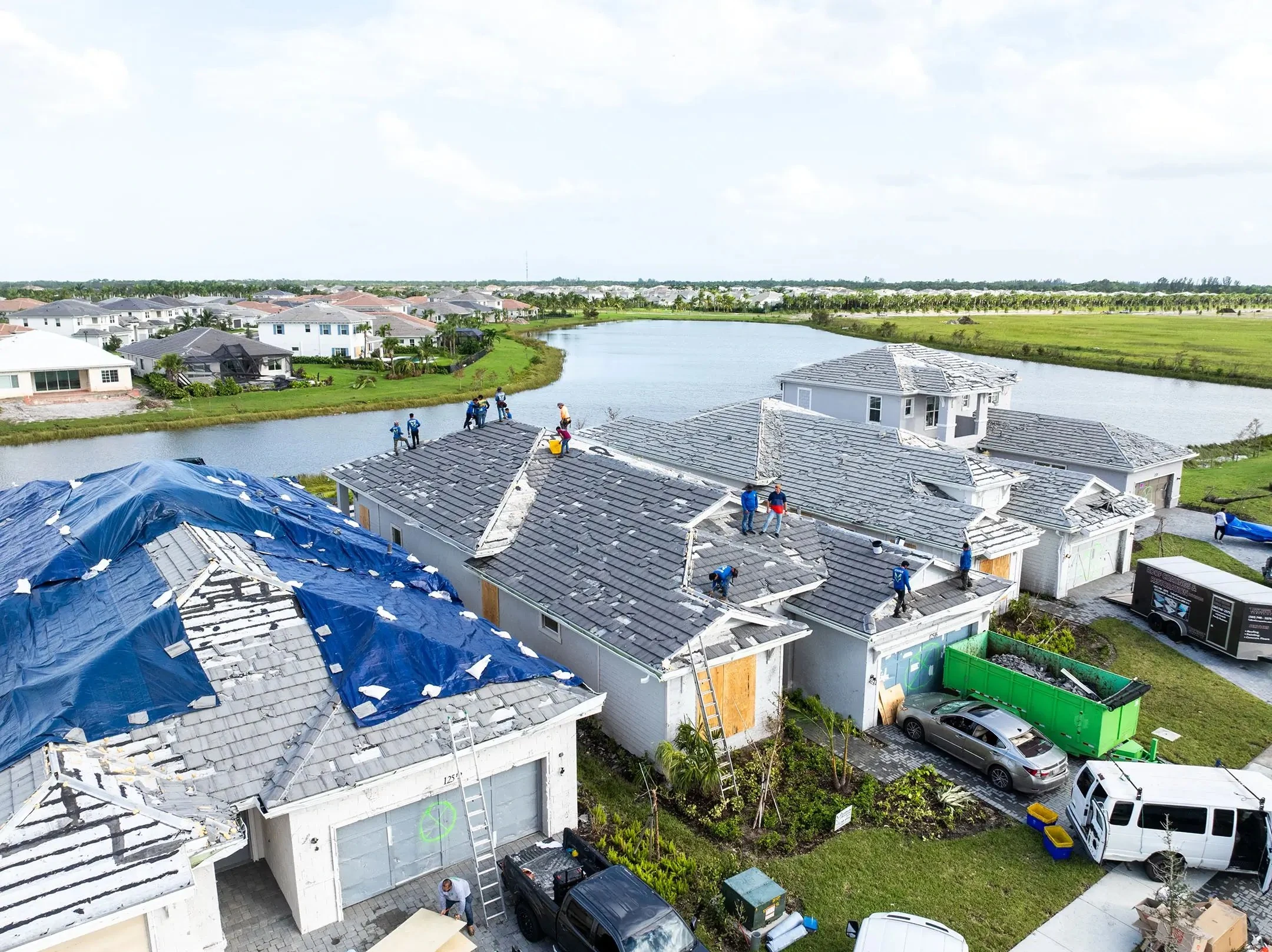
The replacement plan explains tear-off or recover assumptions, insulation and drainage needs, occupied-building phasing, system options, and closeout requirements. Tear-off and replacement is different work from a recover job, and it needs a different plan. We take a roof down to a sound deck section by section, so the parts of your building that are still operating never sit under an open sky.
When Recover Is Not an Option
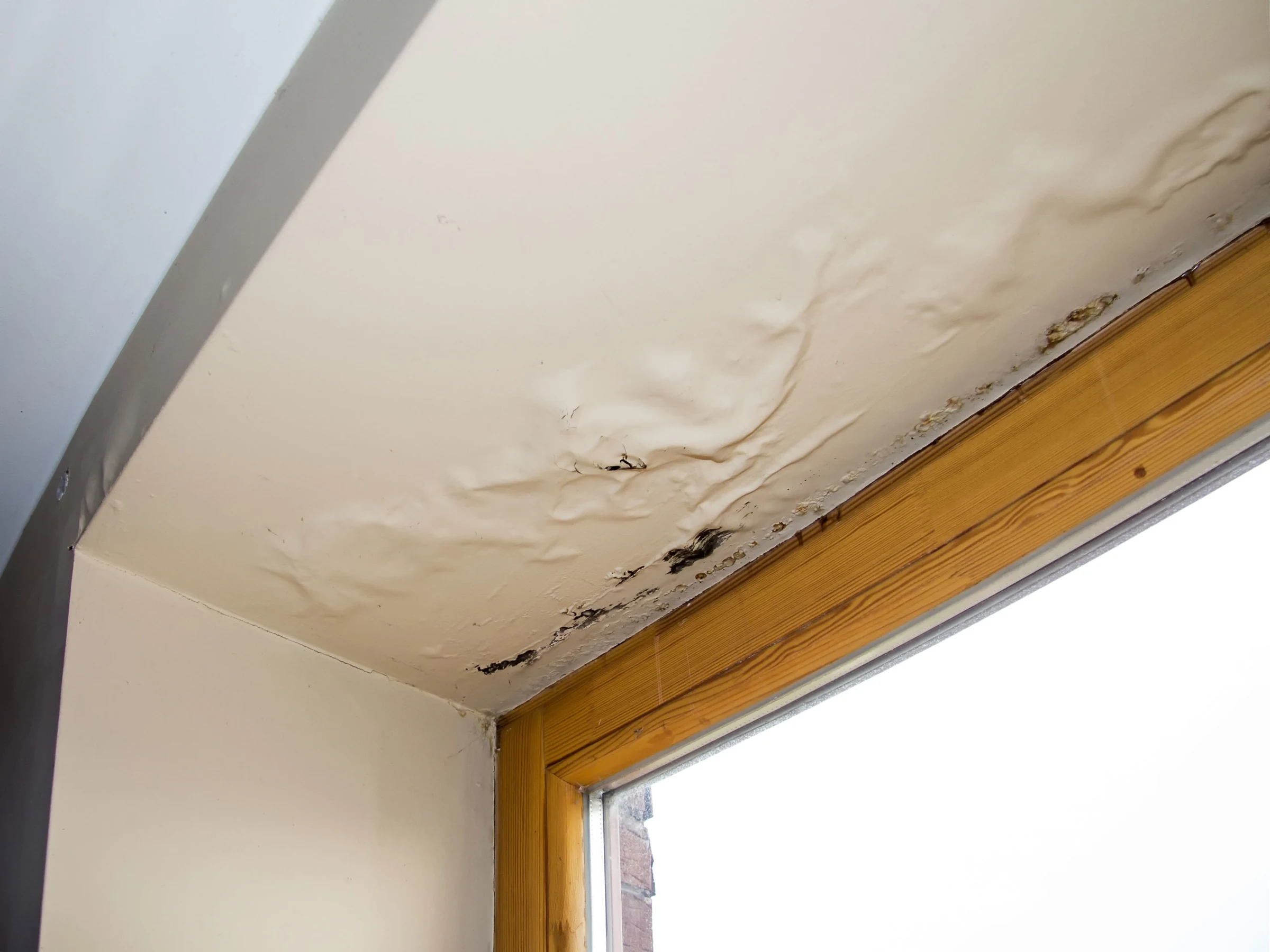
Once insulation is wet, fastener pull-out is failing, or the deck itself has soft spots, a recover system just traps the problem under a new membrane. Buildings in older sections of Columbus near Macon Road and Whitesville Road, where roofs have been patched for years past their design life, usually reach this point before owners expect.
We confirm the call with core cuts rather than a visual guess, and we show owners the cores so the tear-off decision is theirs to make with real information rather than a hunch or our word alone.
Zone-by-Zone Demolition That Protects the Rest of the Building
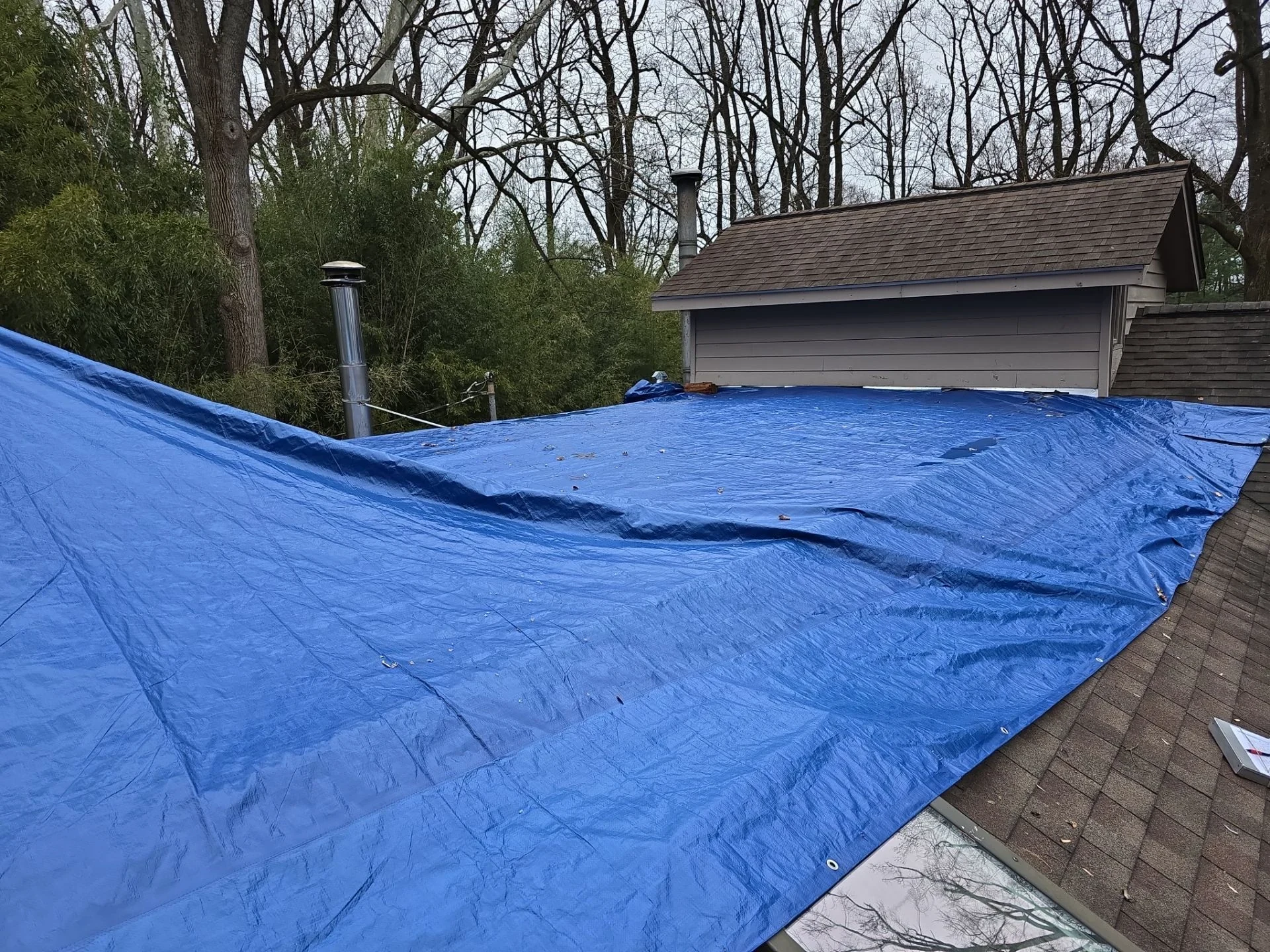
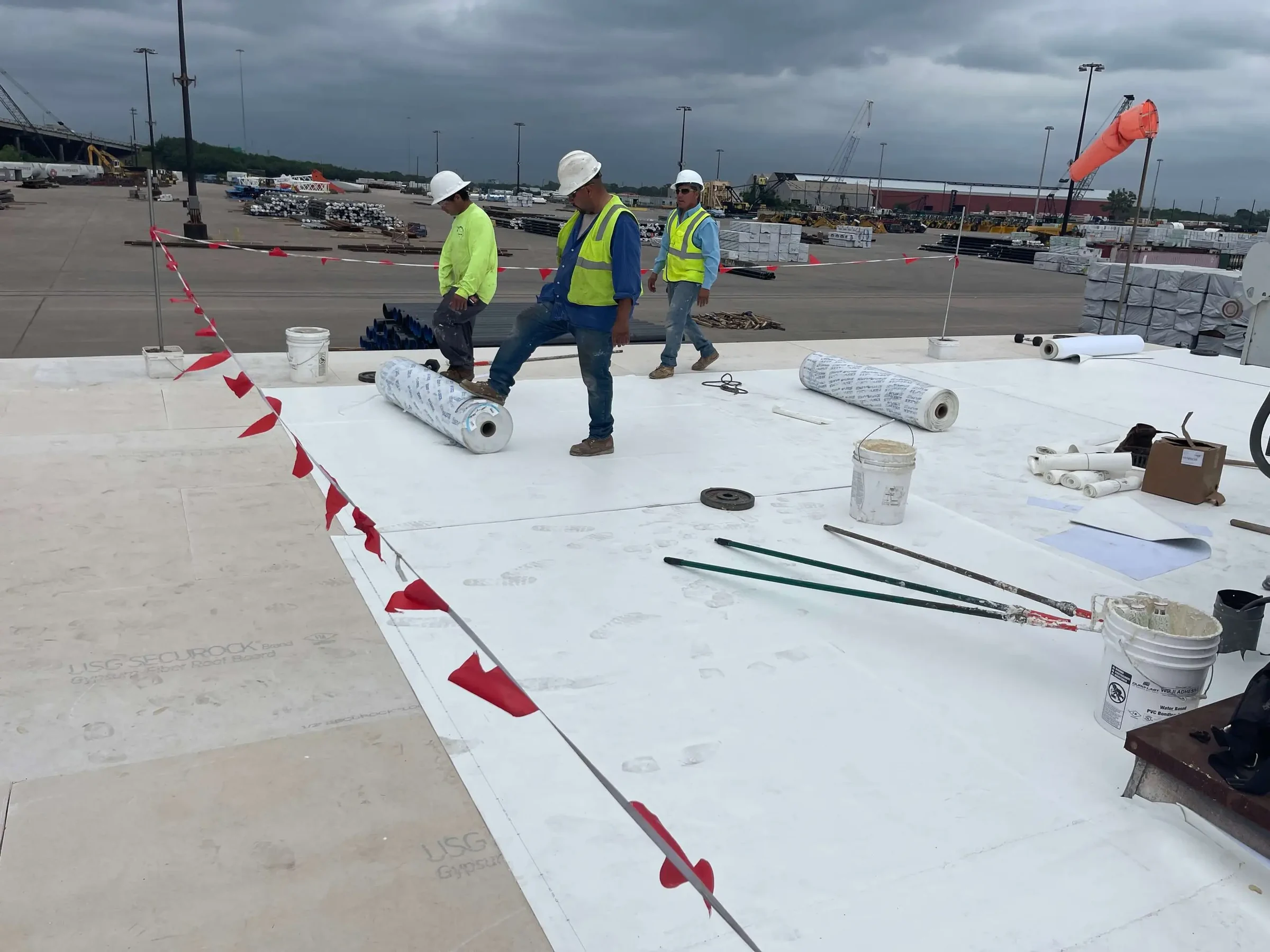
Warehouse and distribution buildings near the Psalmond Road and Airport Thruway industrial areas keep running during a tear-off because we isolate one working zone at a time behind temporary containment, and every zone gets a nightly dry-in commitment before the crew leaves.
Interior operations, including racking, product staging, and forklift paths, stay untouched outside the active zone footprint. We coordinate directly with warehouse supervisors on which aisles to keep clear on a given day rather than blocking the whole floor plan.
Deck Repair and Insulation Replacement
Once the old membrane and insulation come off, the deck gets inspected for rust, rot, or fastener back-out, and any compromised steel or wood panels get replaced before new insulation goes down. This step is where a rushed tear-off job causes problems years later, so we do not skip it to save a day.
New insulation is set to current energy code thickness, which also helps buildings near data-heavy tenants like the payments-processing campuses in town manage rooftop HVAC load through Georgia summers.
- Core cuts confirm deck and insulation condition before demolition starts
- Containment barriers isolate the active zone from occupied space
- Deteriorated deck panels replaced before new insulation is set
- New insulation installed to current thickness and energy code
- New membrane and flashing installed to manufacturer wind-uplift specs
- Debris hauled continuously rather than staged on the roof overnight
- Documentation package with photos of deck condition before cover-up
Coordinating With Property Managers on Multi-Tenant Buildings
Strip retail and multi-tenant office buildings around Manchester Expressway and North Columbus need advance notice for every phase, since tenants have their own customers and staff to plan around. We provide a written zone schedule that property managers can hand directly to tenants.
Noise-sensitive periods, like retail opening hours or medical office appointment blocks near the hospital campuses, get scheduled around when a client asks, even if it means running demolition earlier or later than a typical crew day.
Material Staging and Site Logistics
Crane lifts and material staging areas are planned before the first panel comes off, with particular attention to loading dock clearance and fire lane access. On tighter urban sites in Uptown Columbus, that planning matters more than it does on a sprawling suburban industrial lot with room to spare.
We also plan debris removal to run continuously rather than letting torn-off material pile up on a roof deck, which keeps wind exposure and fall hazards down during an active tear-off.
Matching Replacement Systems to the Building's Real Use
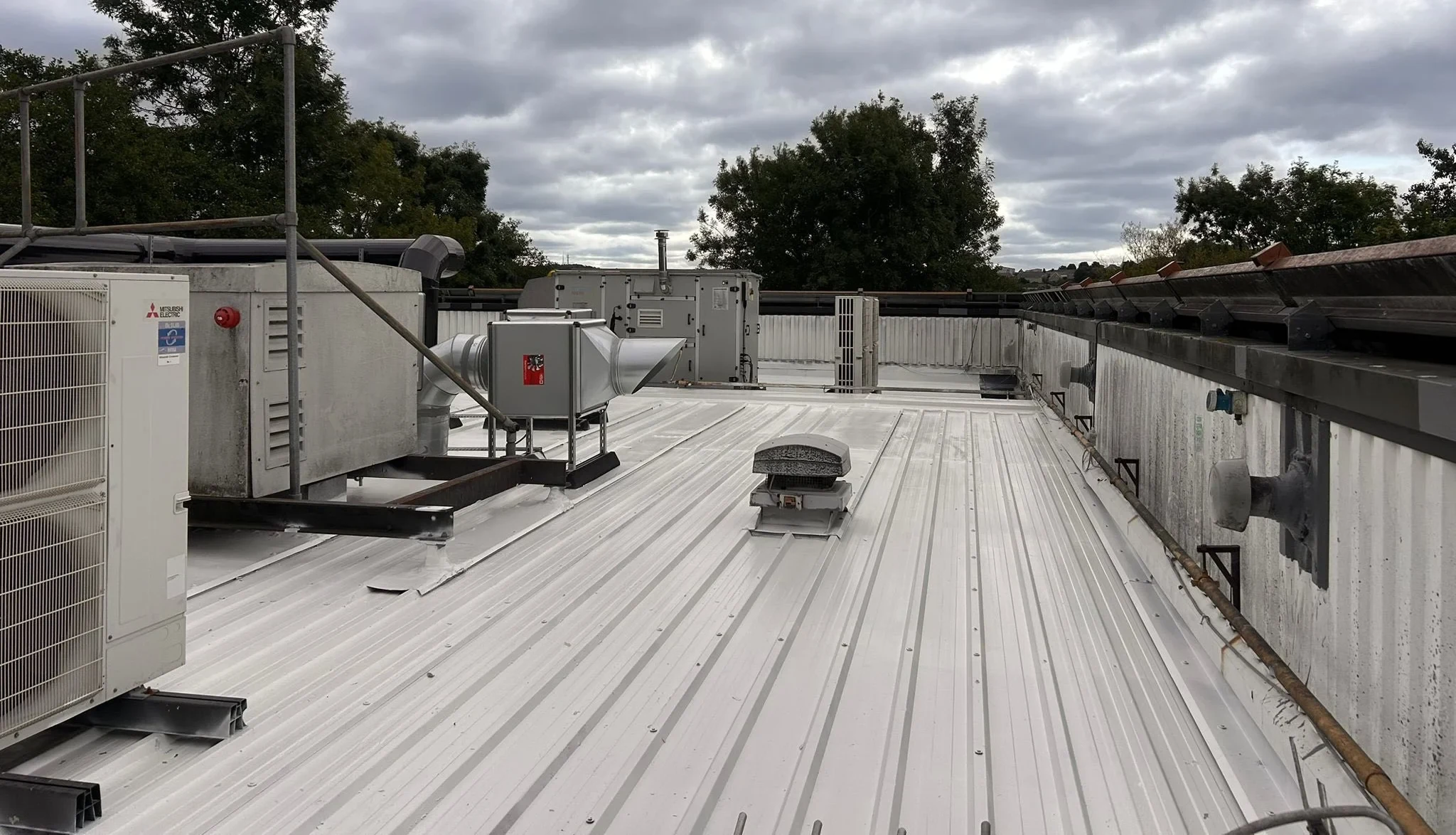
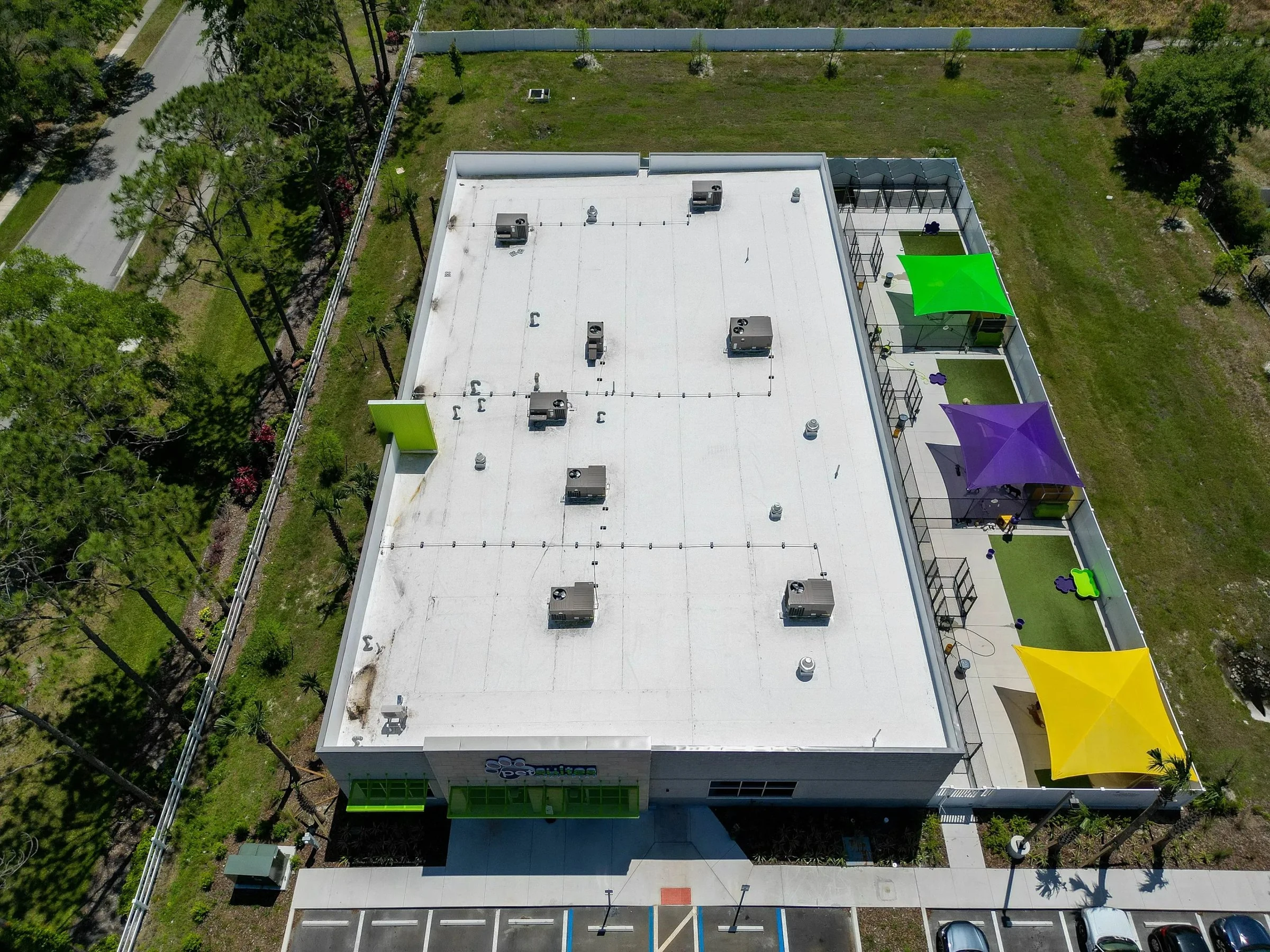
A manufacturing roof carrying rooftop makeup-air units and exhaust fans needs different curb flashing and structural attention than an office roof with light HVAC load, so we look at what is actually mounted up there before pricing a replacement system rather than quoting a generic square-footage number.
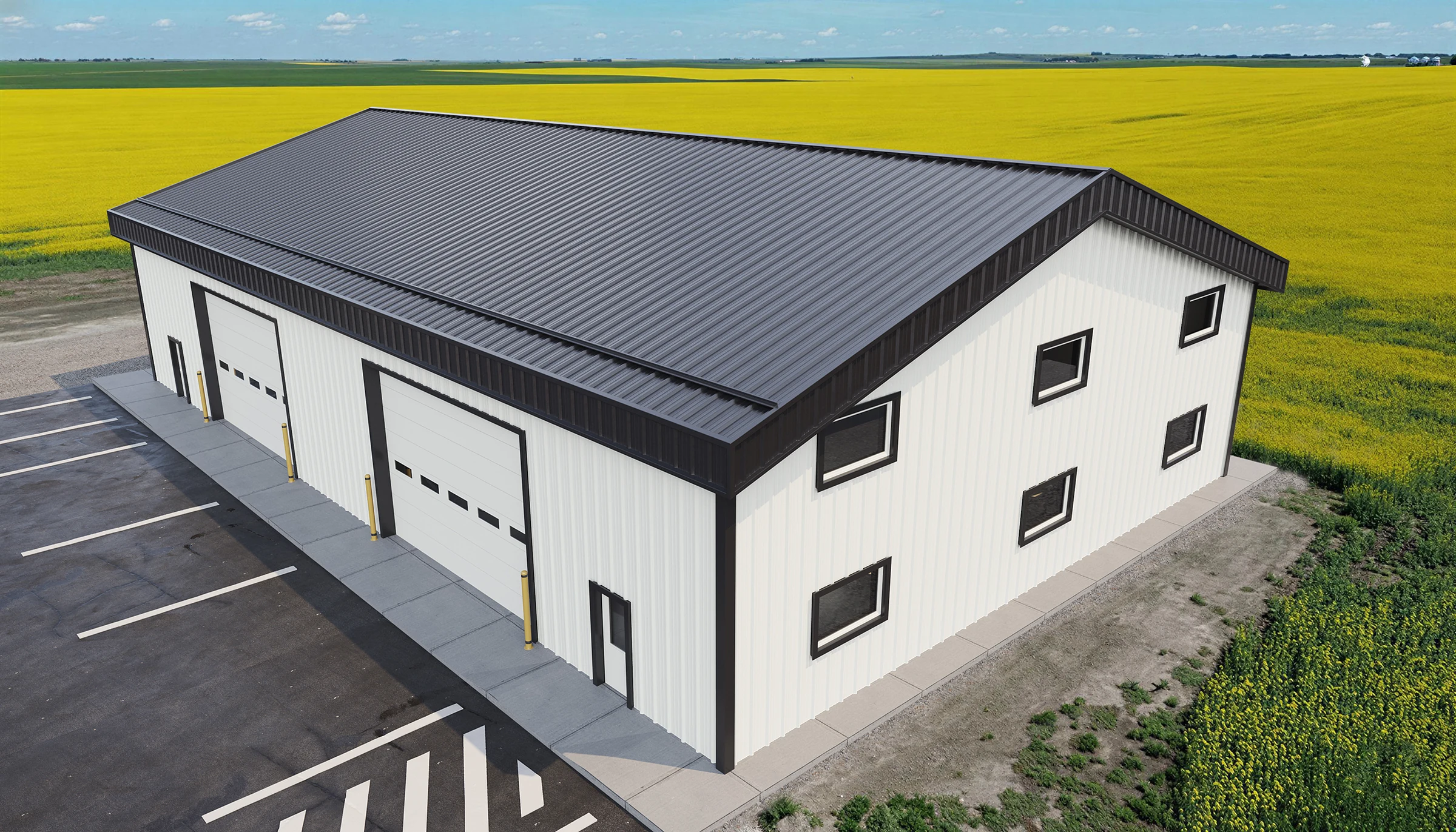
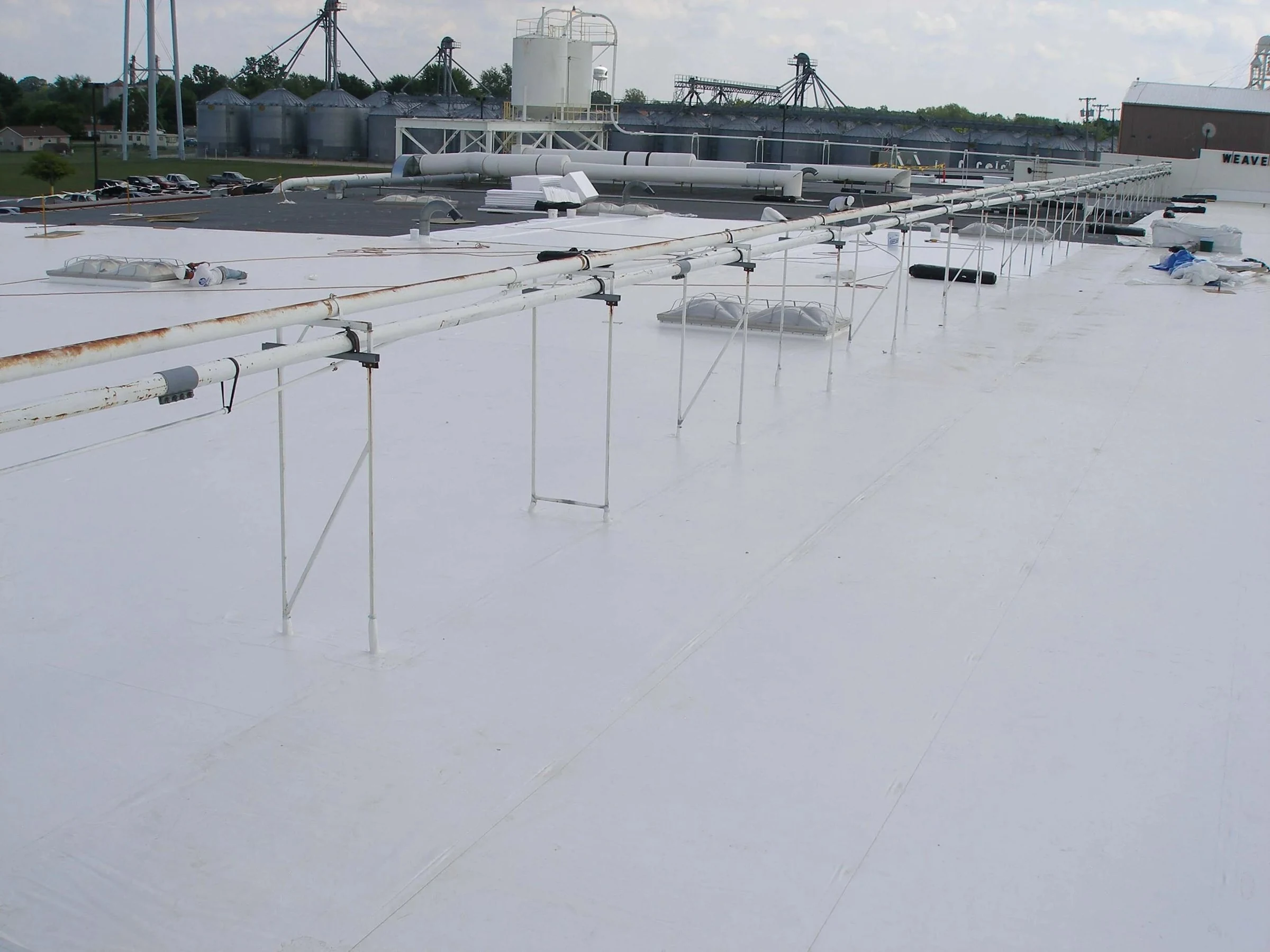
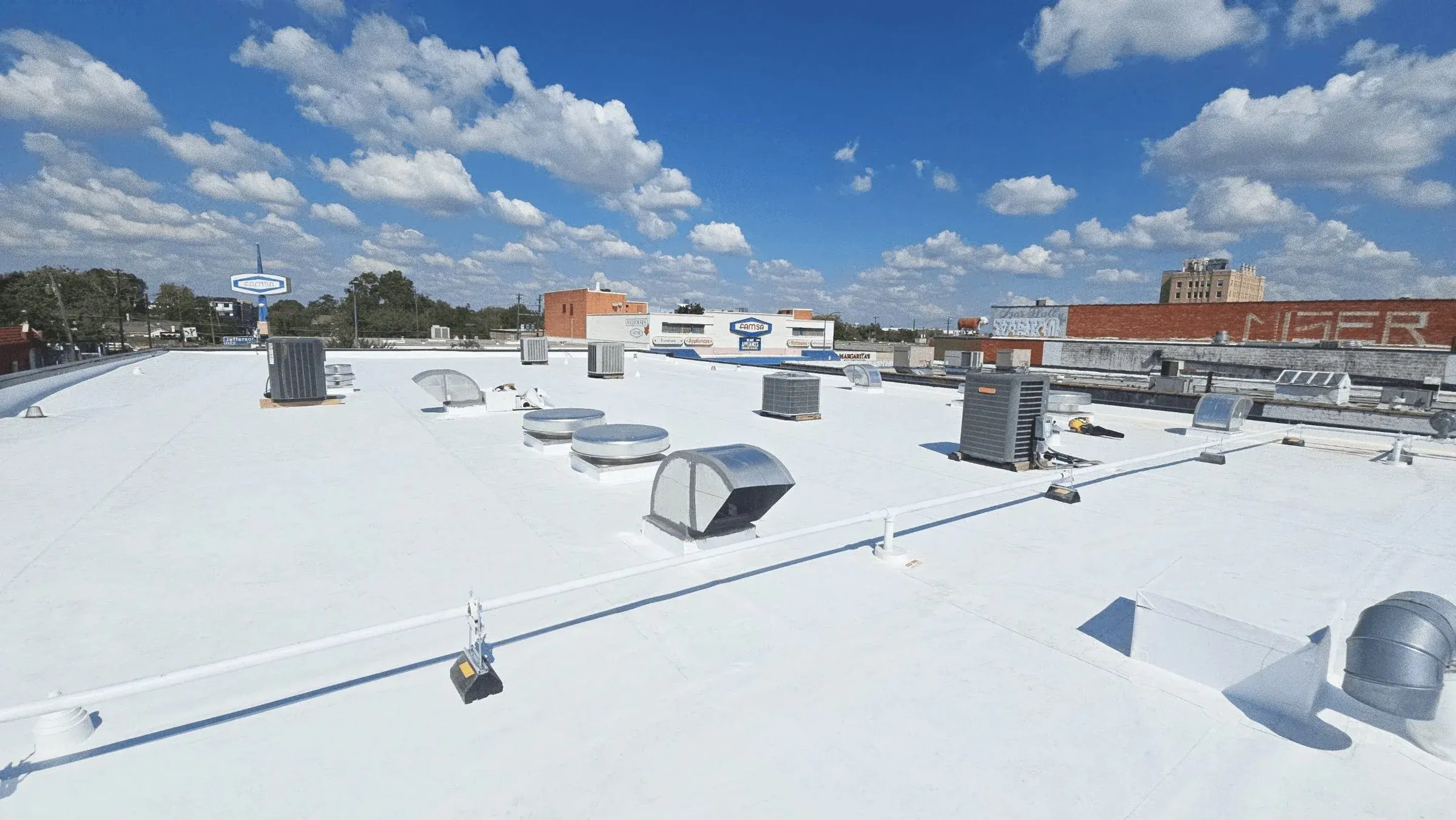
Retail buildings on Manchester Expressway with heavier customer traffic below often benefit from a lighter-colored reflective membrane to cut interior cooling costs, while a warehouse near Psalmond Road with high ceiling clearance may prioritize wind-uplift rating over surface reflectivity depending on roof height and exposure.
Common Tear-Off and Replacement Questions
How do you know if we need a full tear-off instead of a recover?
Core cuts tell us the truth about insulation moisture and deck condition. If the cores come back saturated or the deck shows soft spots, a recover would just seal a problem in rather than fixing it, and we will tell you that directly.
Will our warehouse operations have to pause during tear-off?
Generally no. We break the roof into zones sized to what we can dry-in each day, and the zone footprint is coordinated with your operations team so racking and forklift paths outside that zone stay open.
What happens if you find rusted or rotten deck sections?
We stop, document the area, and repair or replace the affected panels before insulation goes back down. This gets priced as part of the job scope once we can see the deck, since it is not visible until the old system comes off.
How is debris handled during a tear-off?
Torn-off material is hauled off the roof continuously through the day rather than left staged overnight, which keeps the site cleaner and reduces the chance of debris becoming a wind hazard before a storm.
Can tear-off work happen in the middle of a Georgia summer?
Yes, though we plan start times and zone size around heat and afternoon storm patterns. Early starts and smaller daily zones are common in July and August to keep crews and open deck exposure manageable.
Ready to review the roof scope?