
Emergency Roof Help in Columbus, GA
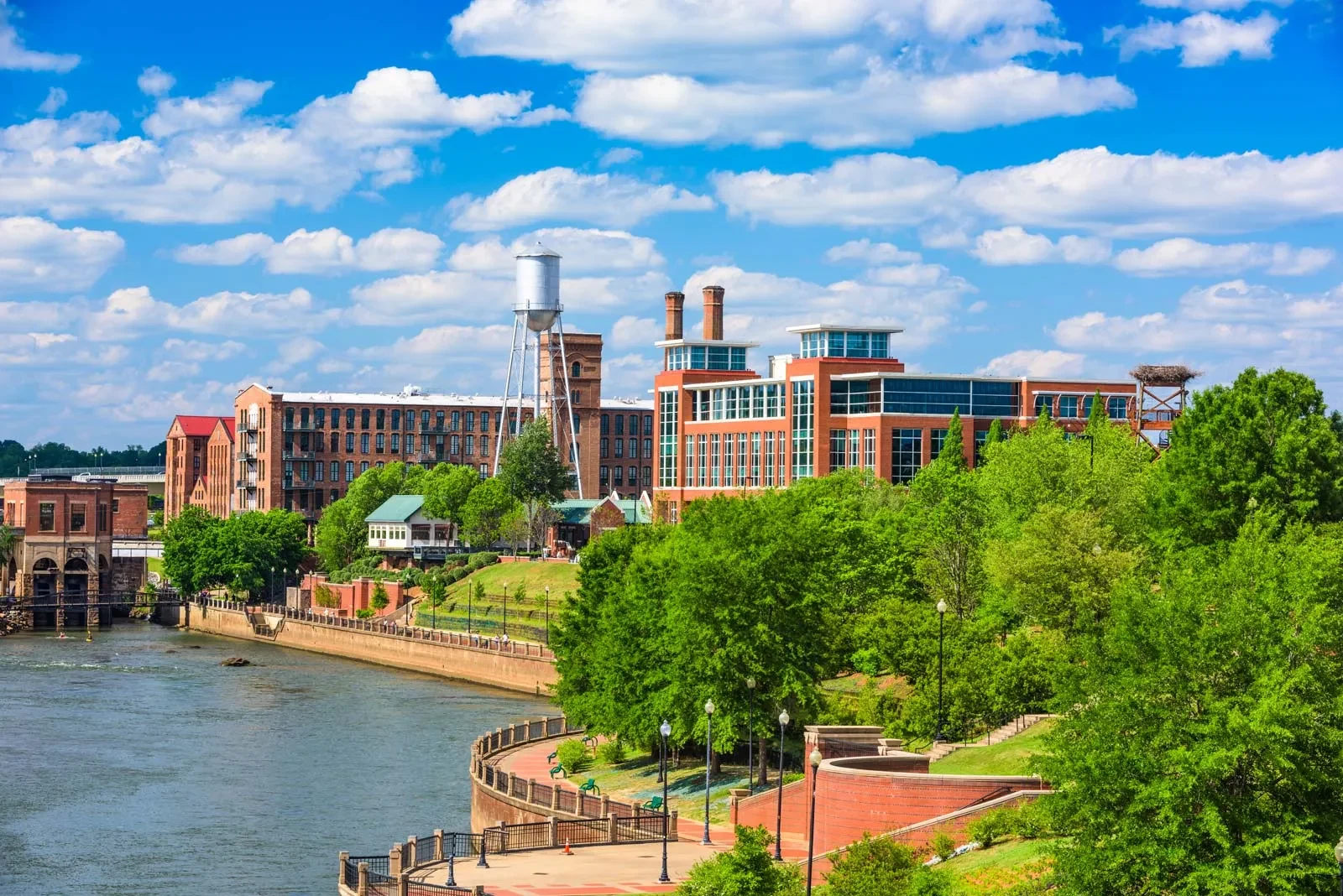
Emergency Commercial Roof Help in Columbus
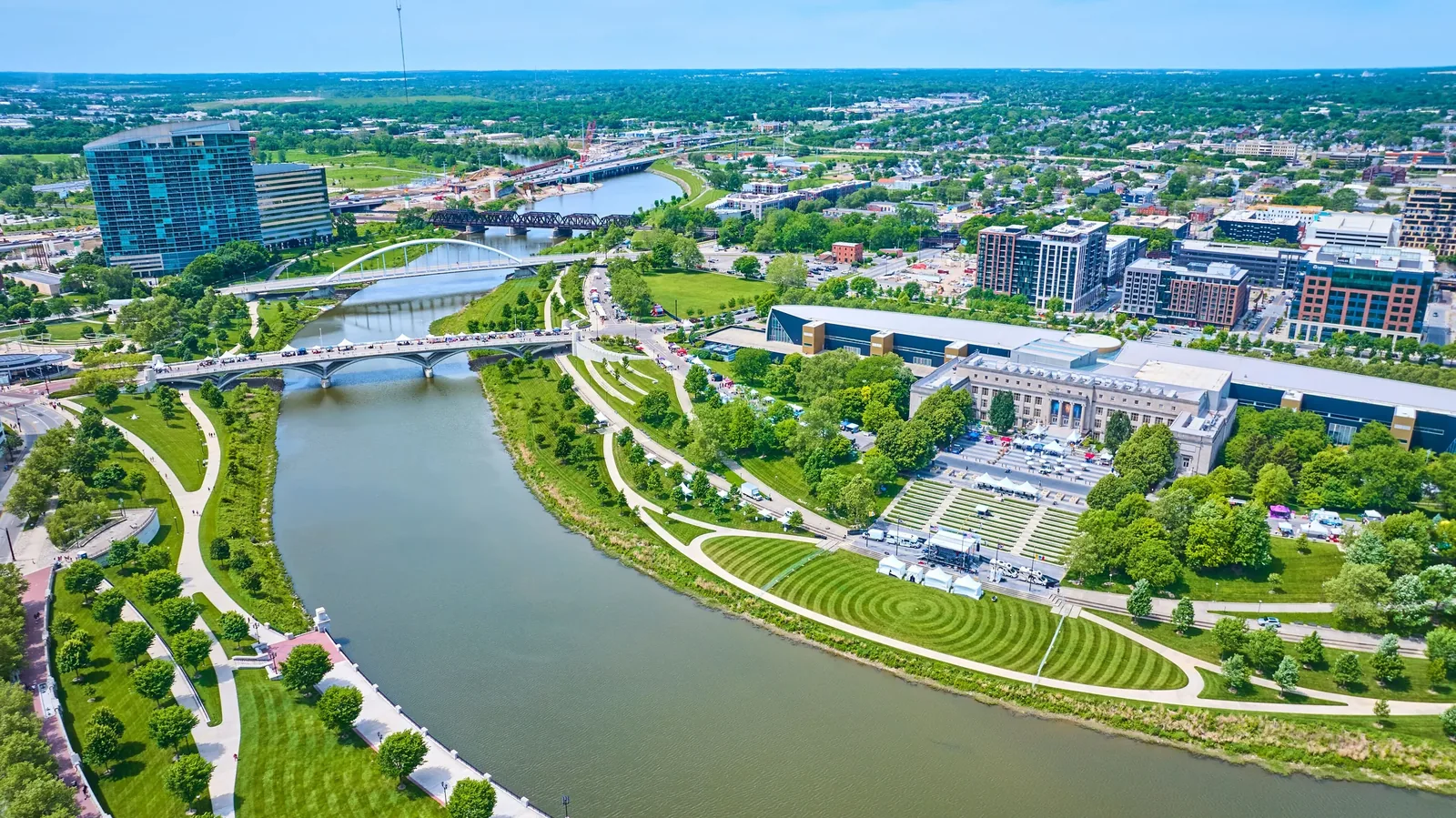
Inspect the Flat Roof Before You Price the Next Move

Repair, Restore, or Replace With a Clear Scope
Start with what the roof is doing
Get the leak stopped. Get the roof inspected. Then choose the right next move.
Tell us what is happening at the building. We can help organize emergency repair, a flat-roof inspection and condition report, recurring service, coating review, or a replacement scope.

Industries
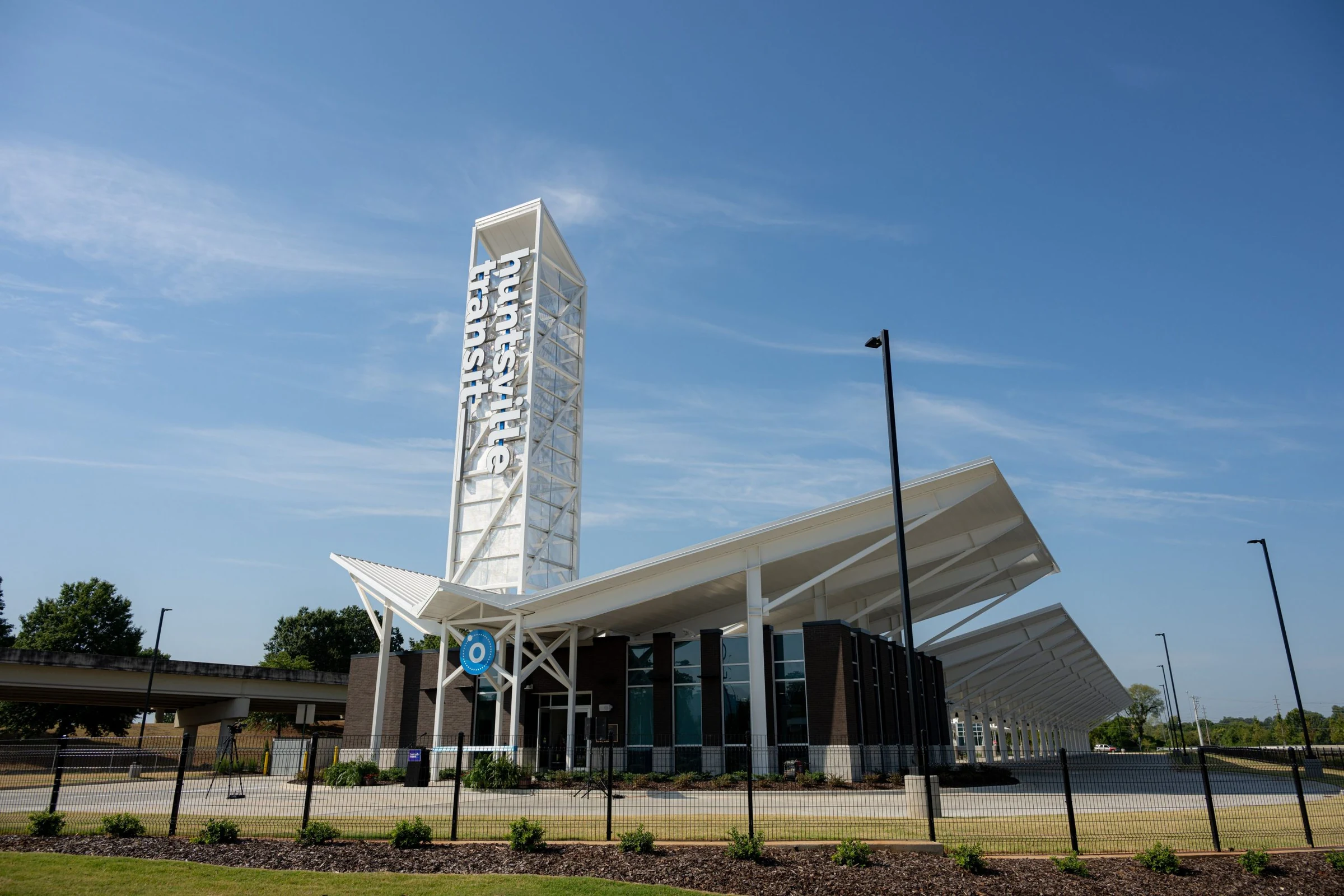
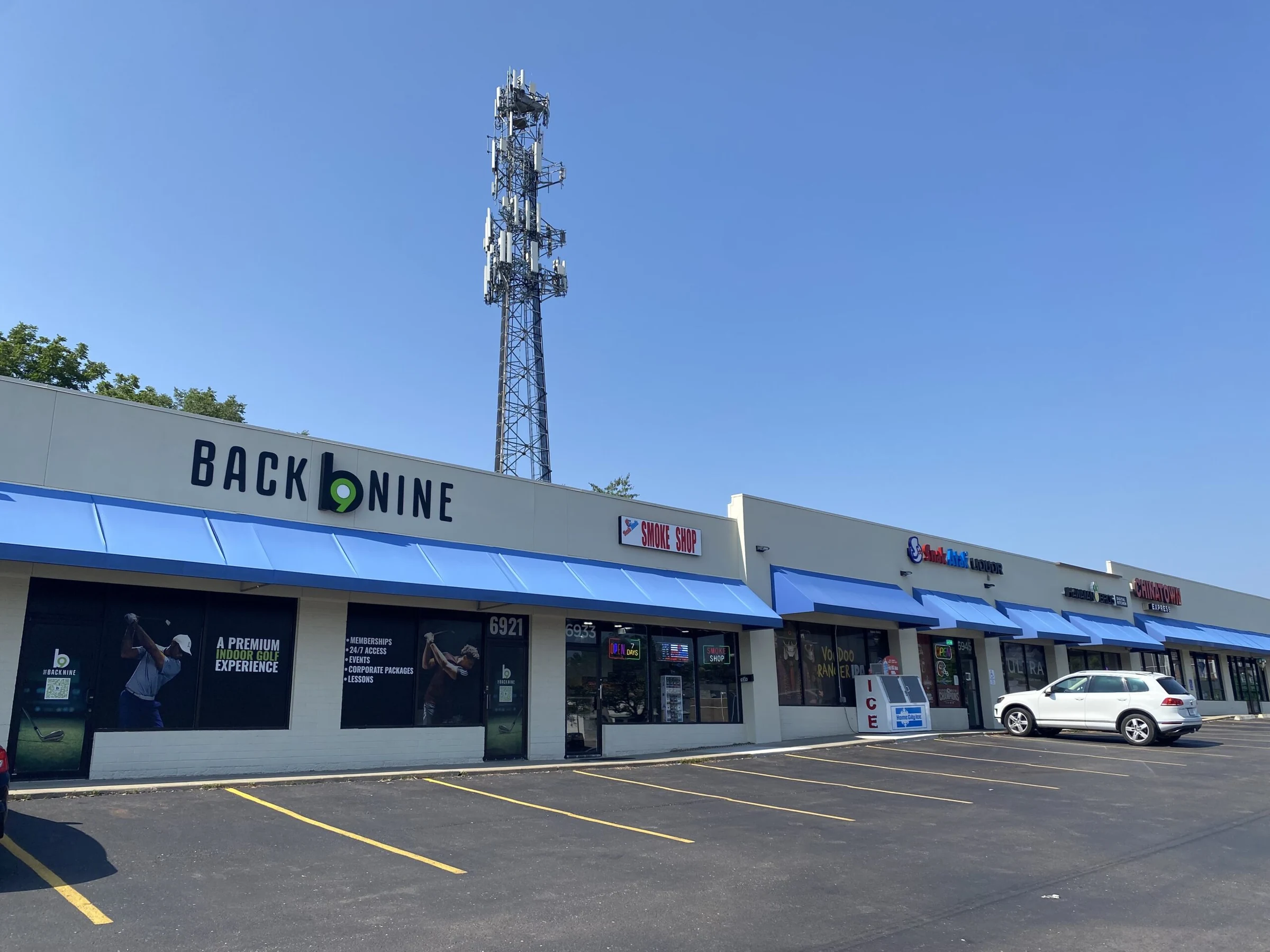
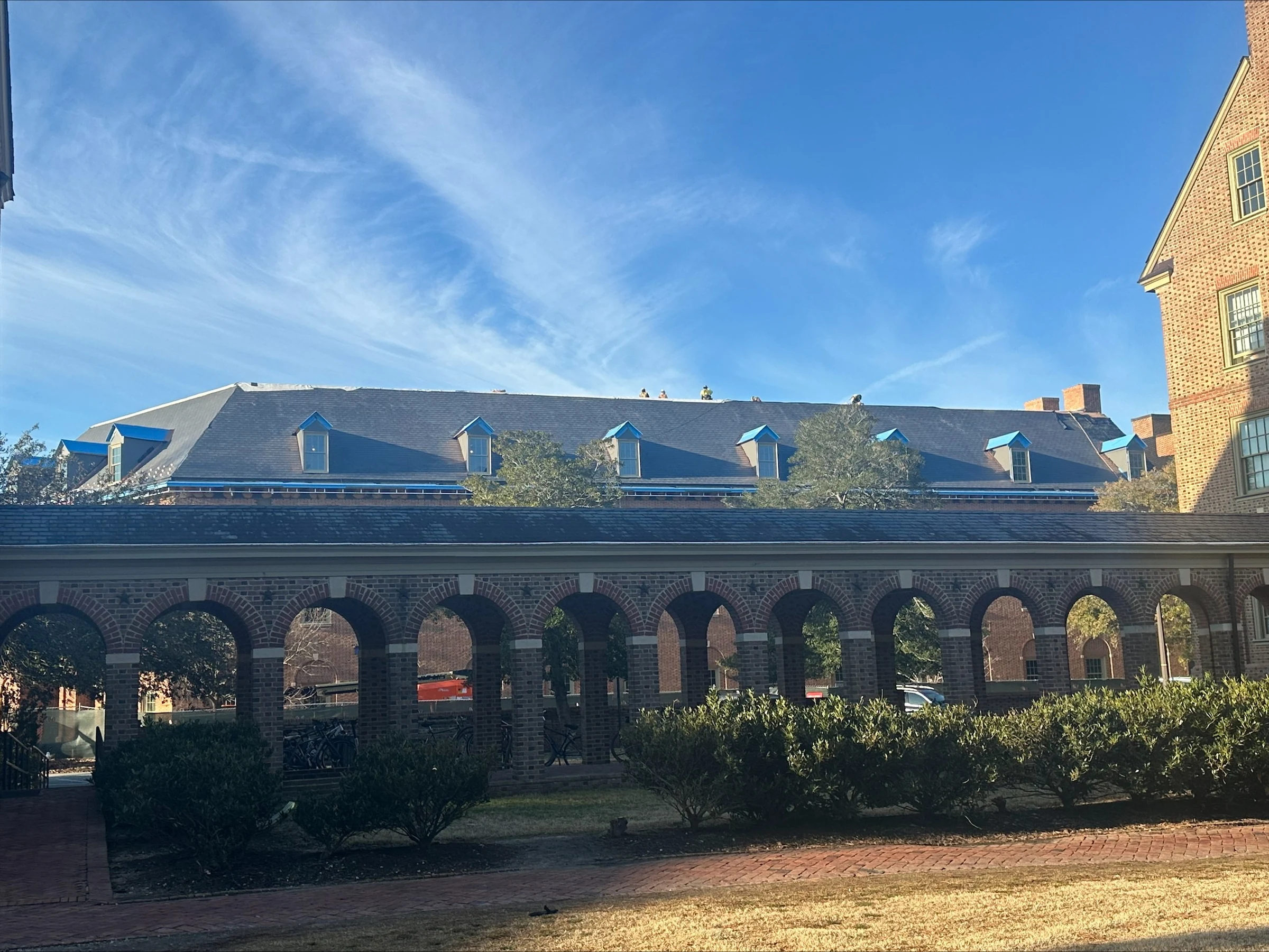
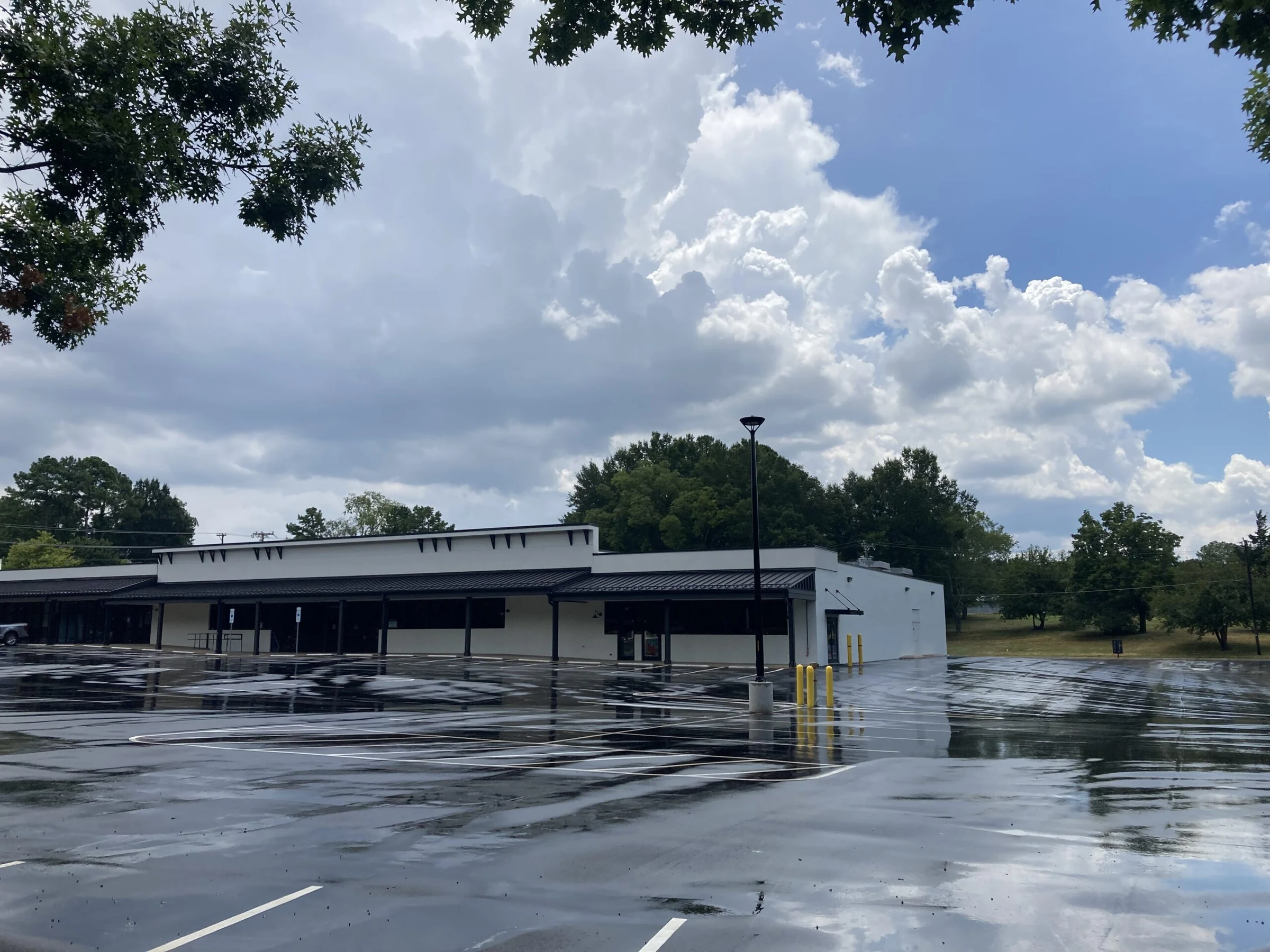
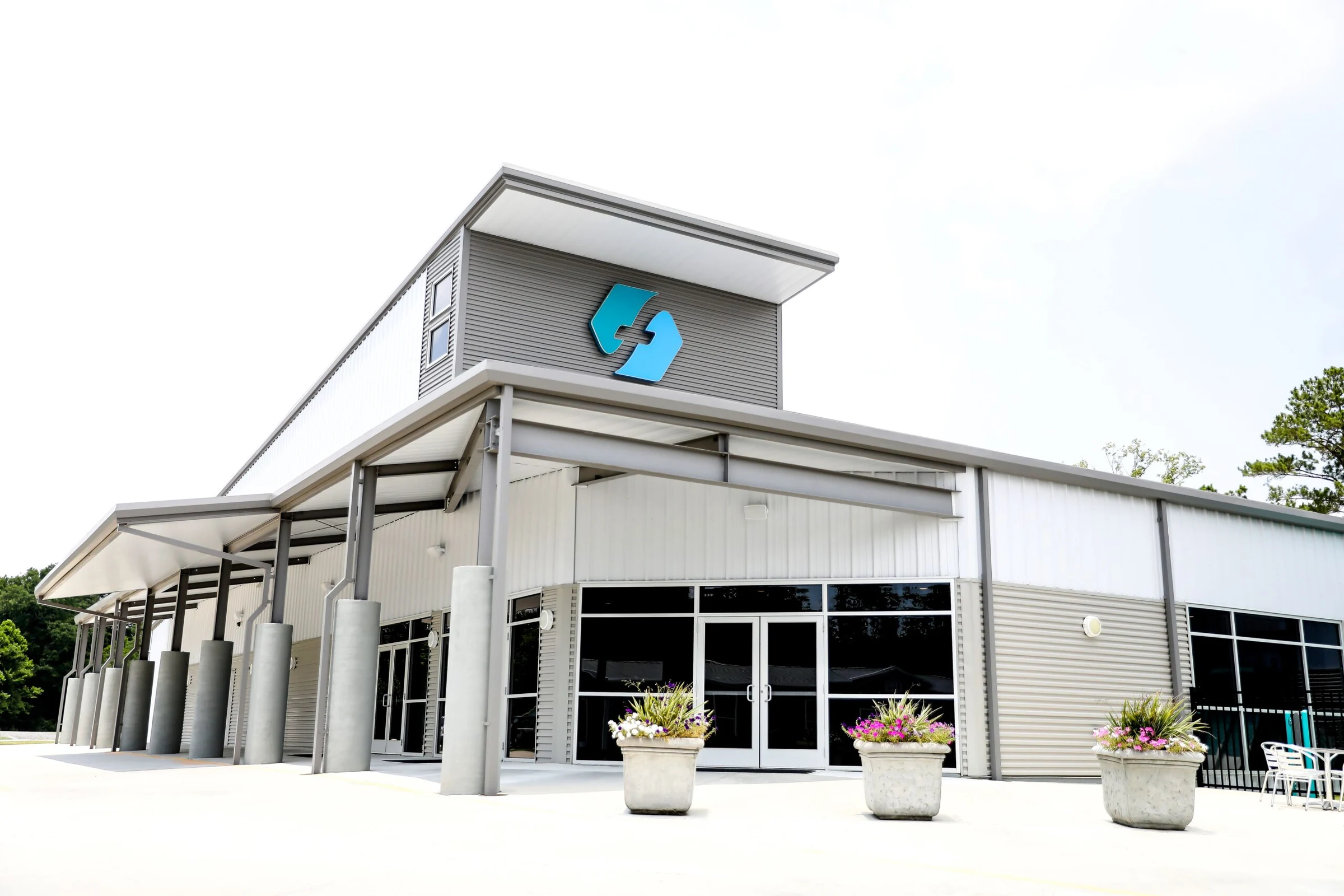
Roofing scopes shaped by the facility in front of us
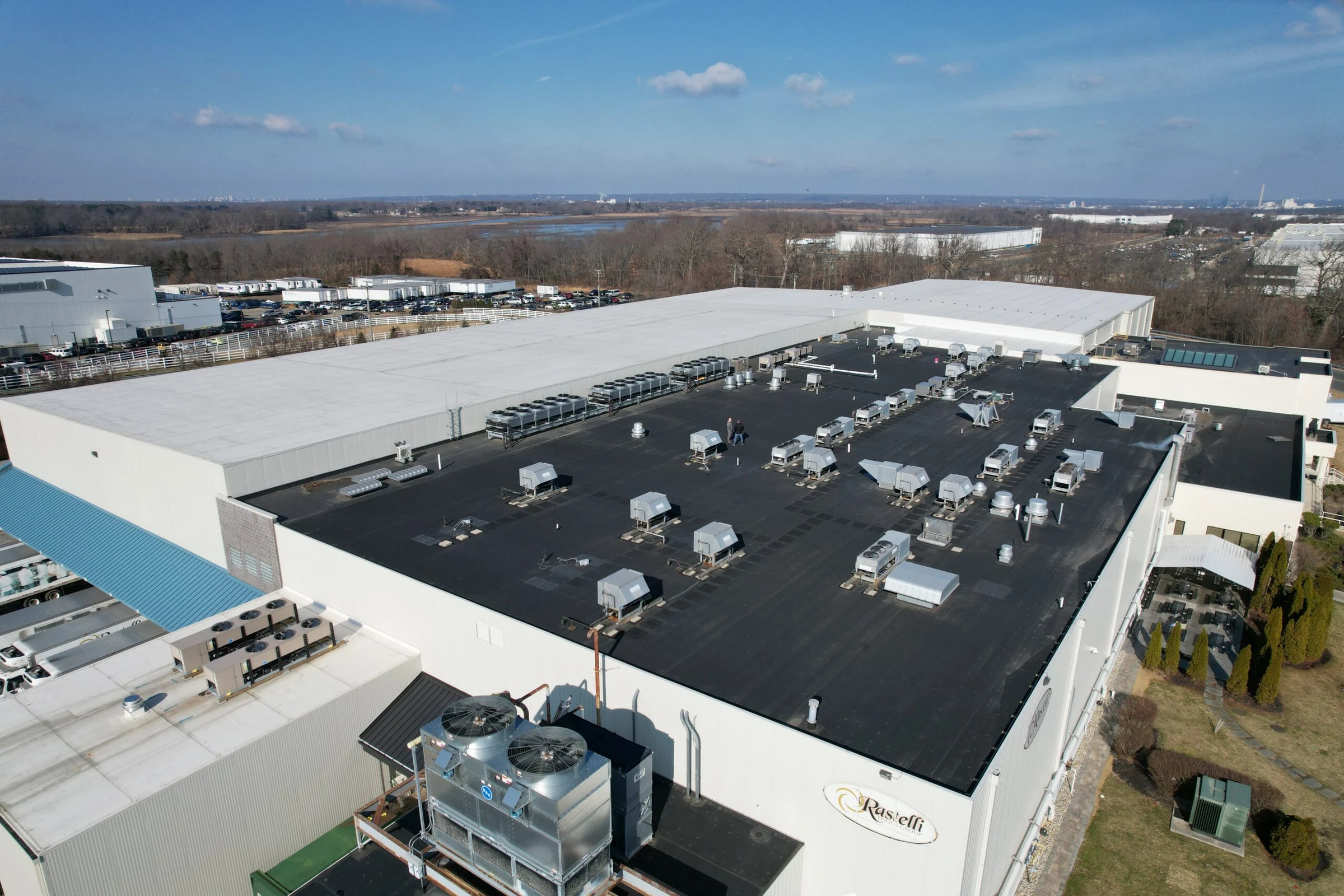
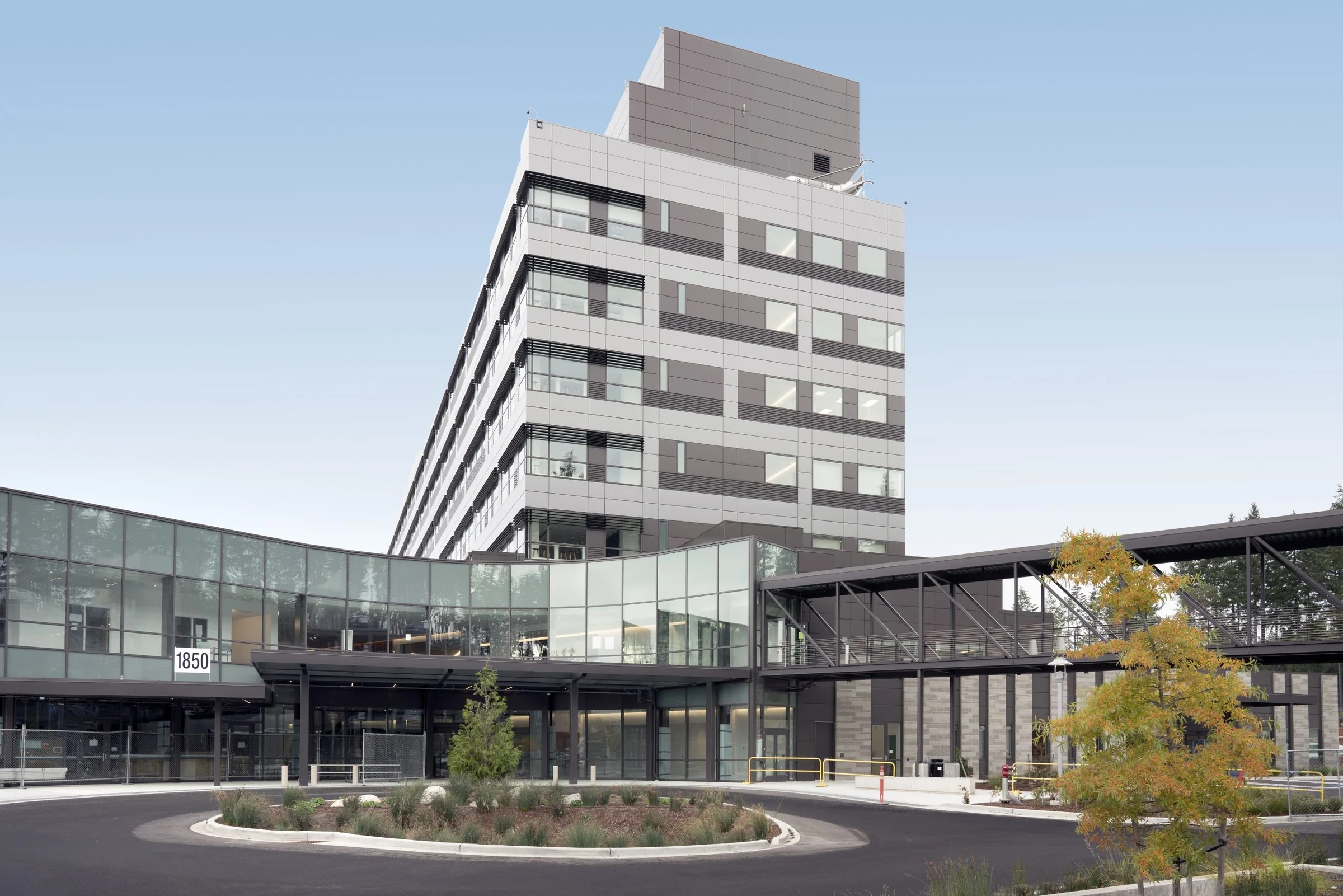
From healthcare and government buildings to manufacturing plants and retail portfolios, each scope is phased around access, uptime, weather exposure, and the people working inside.
Commercial roof help that leads somewhere
Fix today’s problem without losing sight of the roof’s remaining life.
Emergency Roof Repair
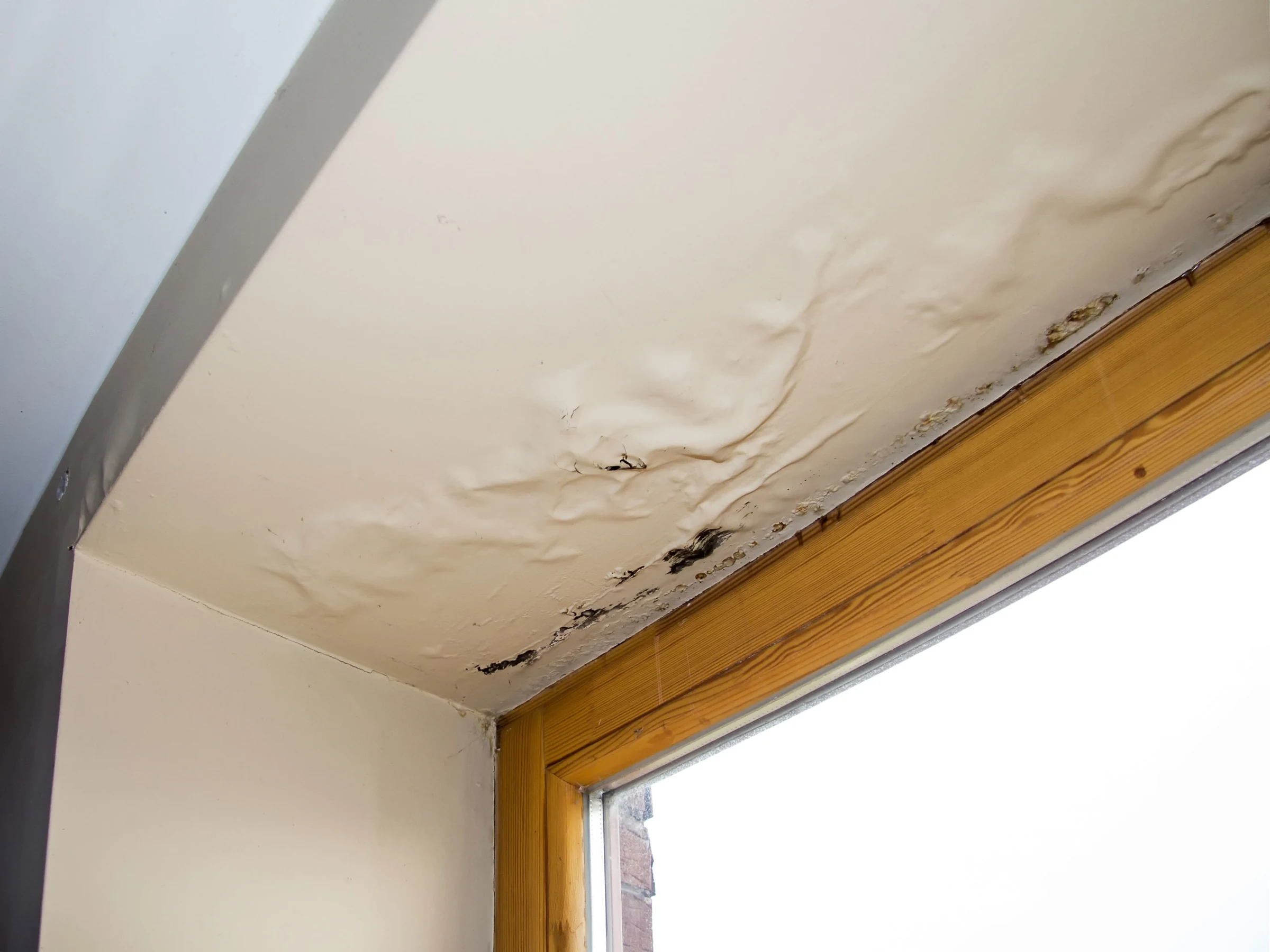
Active leak, storm opening, or water entering the building? Start with stabilization, leak tracing, and a permanent repair scope.
Immediate Service
Request roof help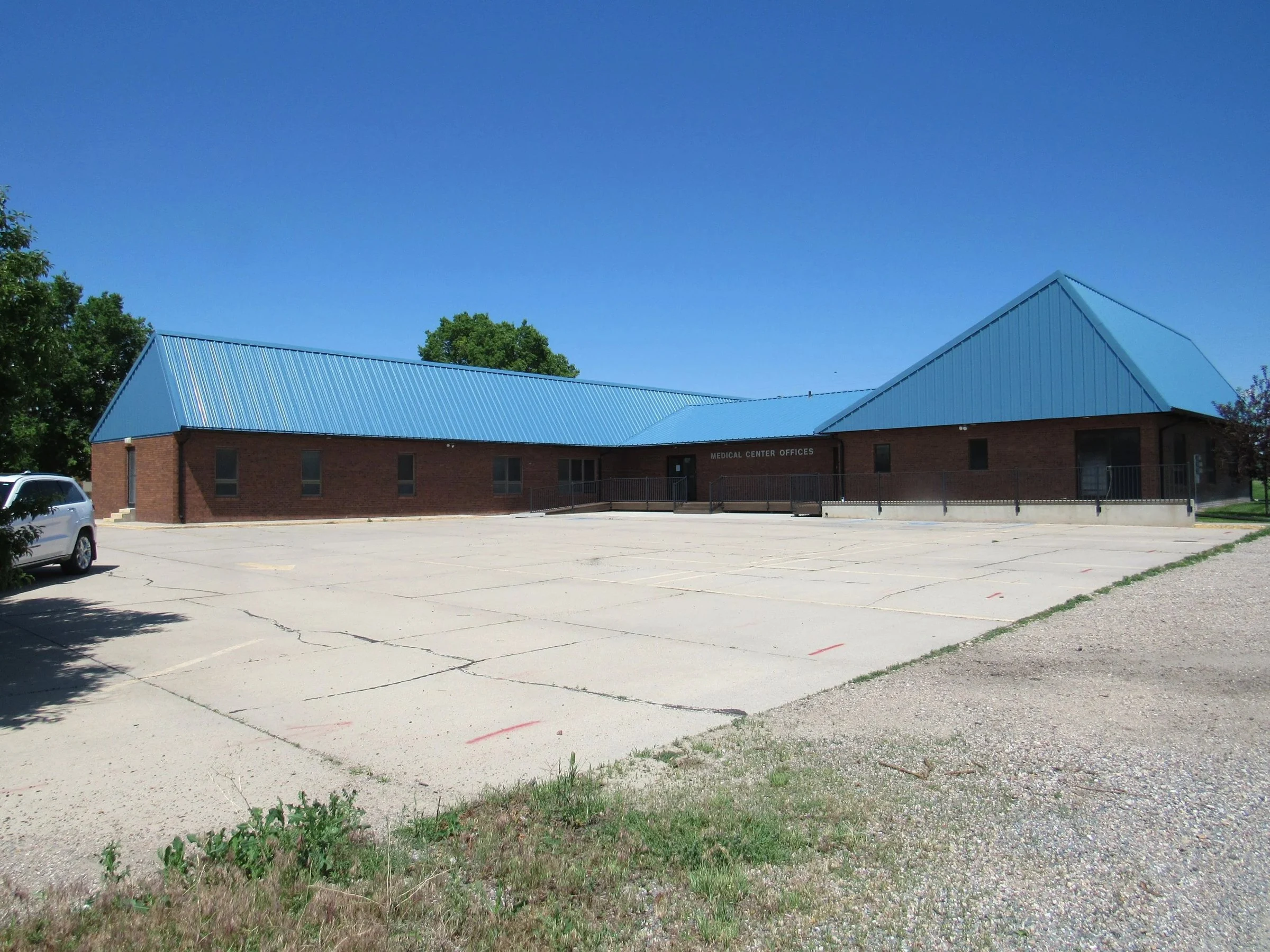
Flat Roof Inspection & Condition Report
Document membrane, seams, flashings, drainage, penetrations, moisture concerns, and the repairs that deserve priority.
Inspection & Planning
See the inspection scope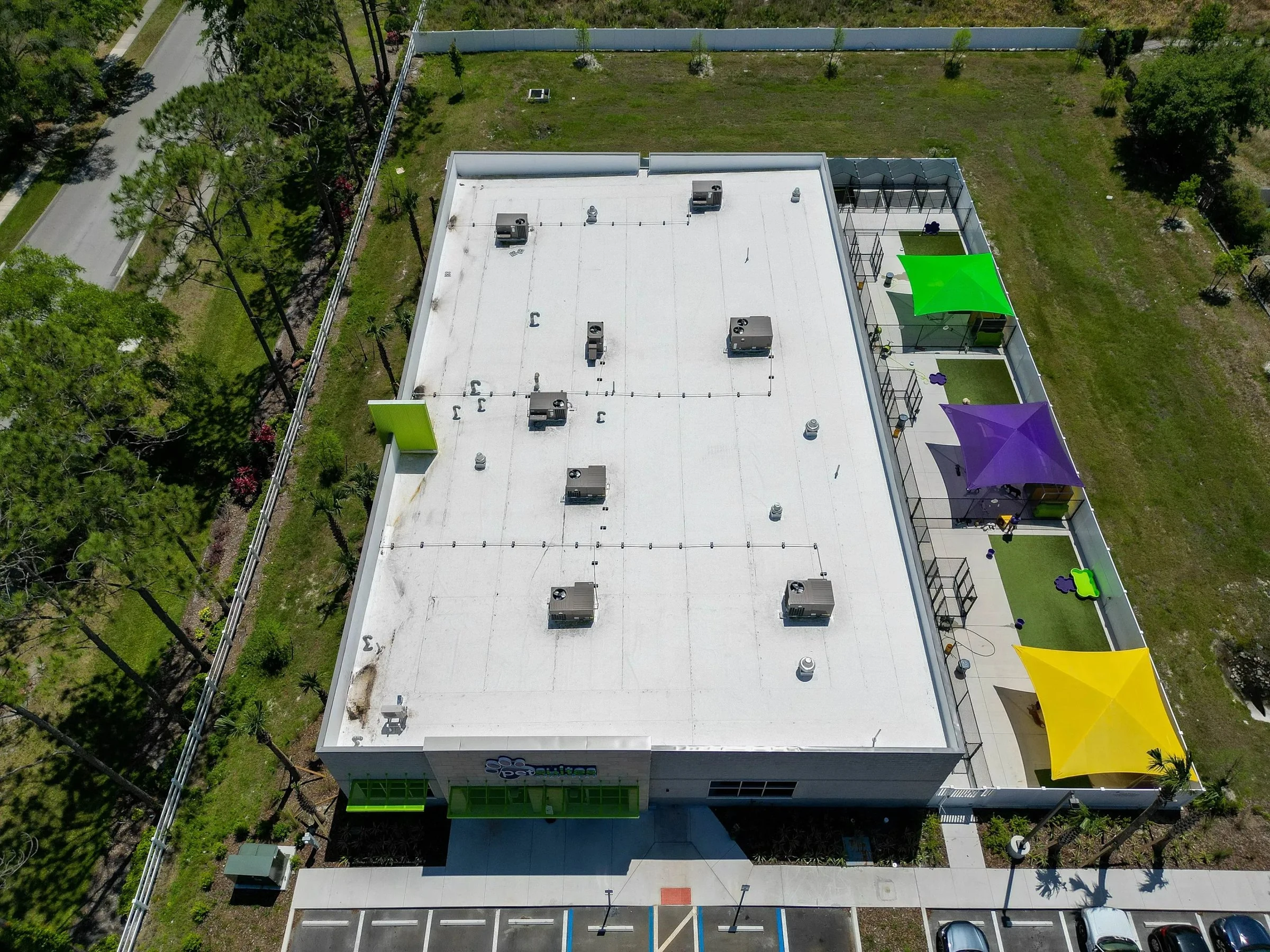
Coating, Recover, or Replacement
Compare remaining roof life, wet insulation, deck condition, drainage, budget, and occupancy before committing to a major scope.
Capital Roofing
Compare reroofing options26 local service areas
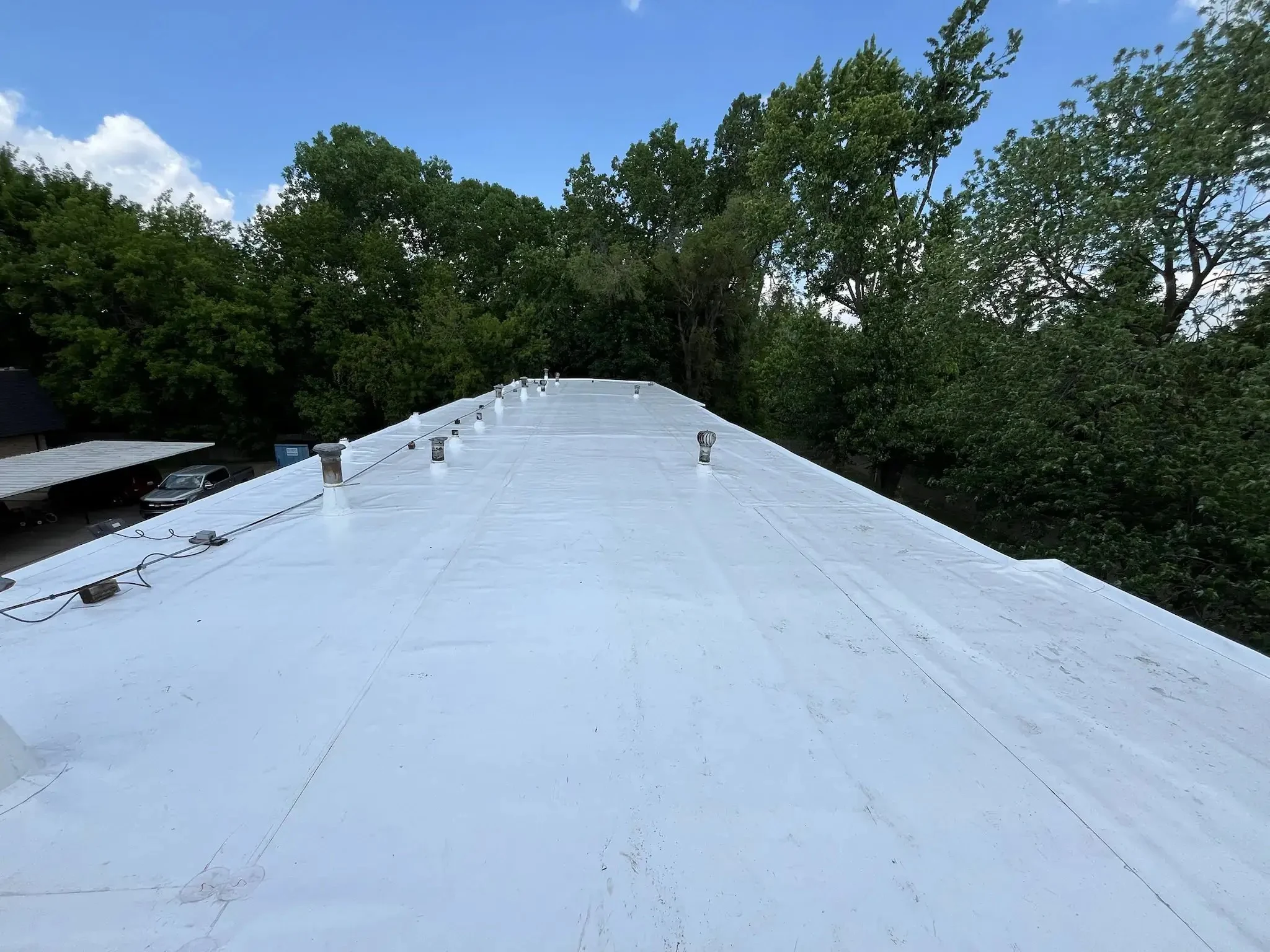
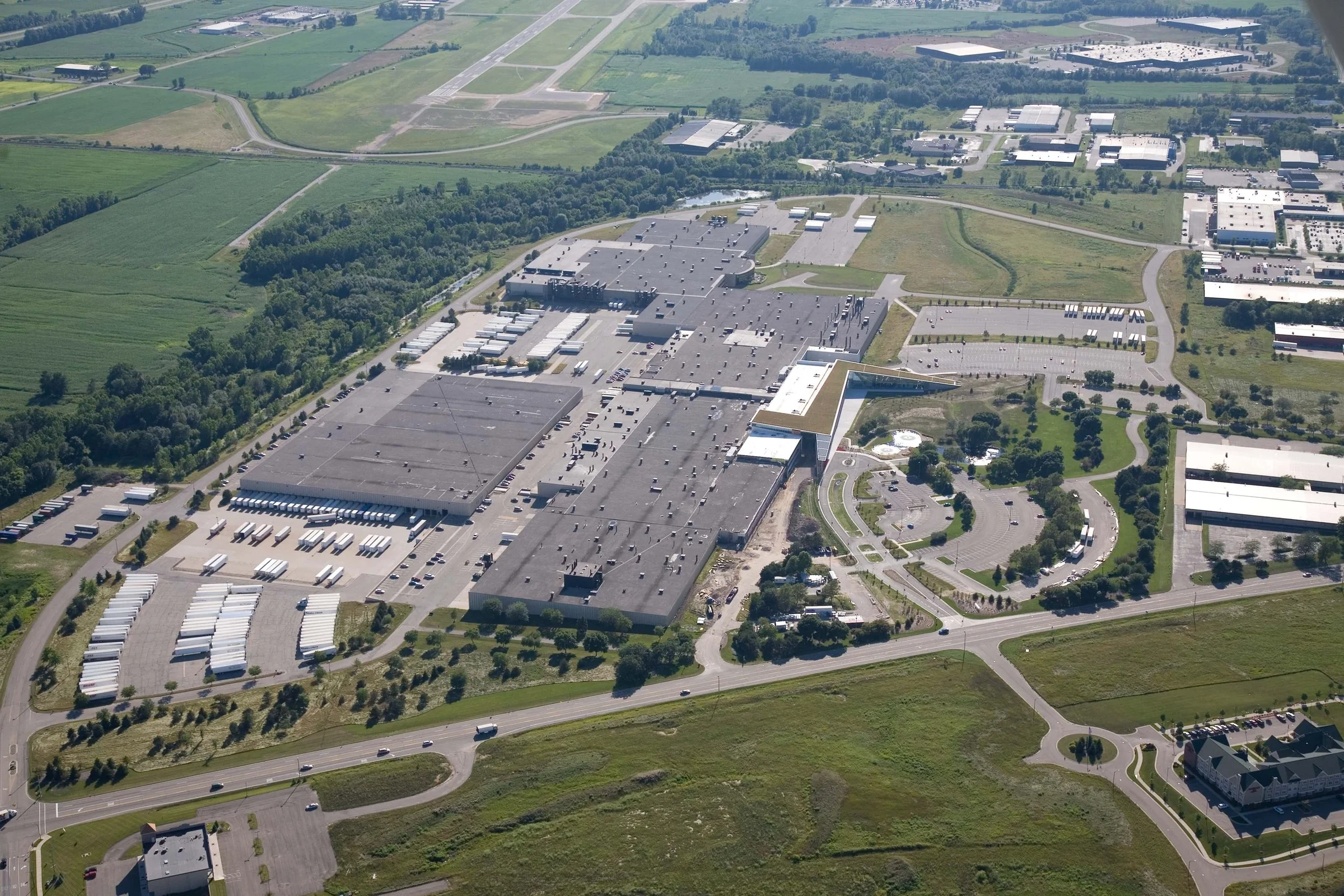
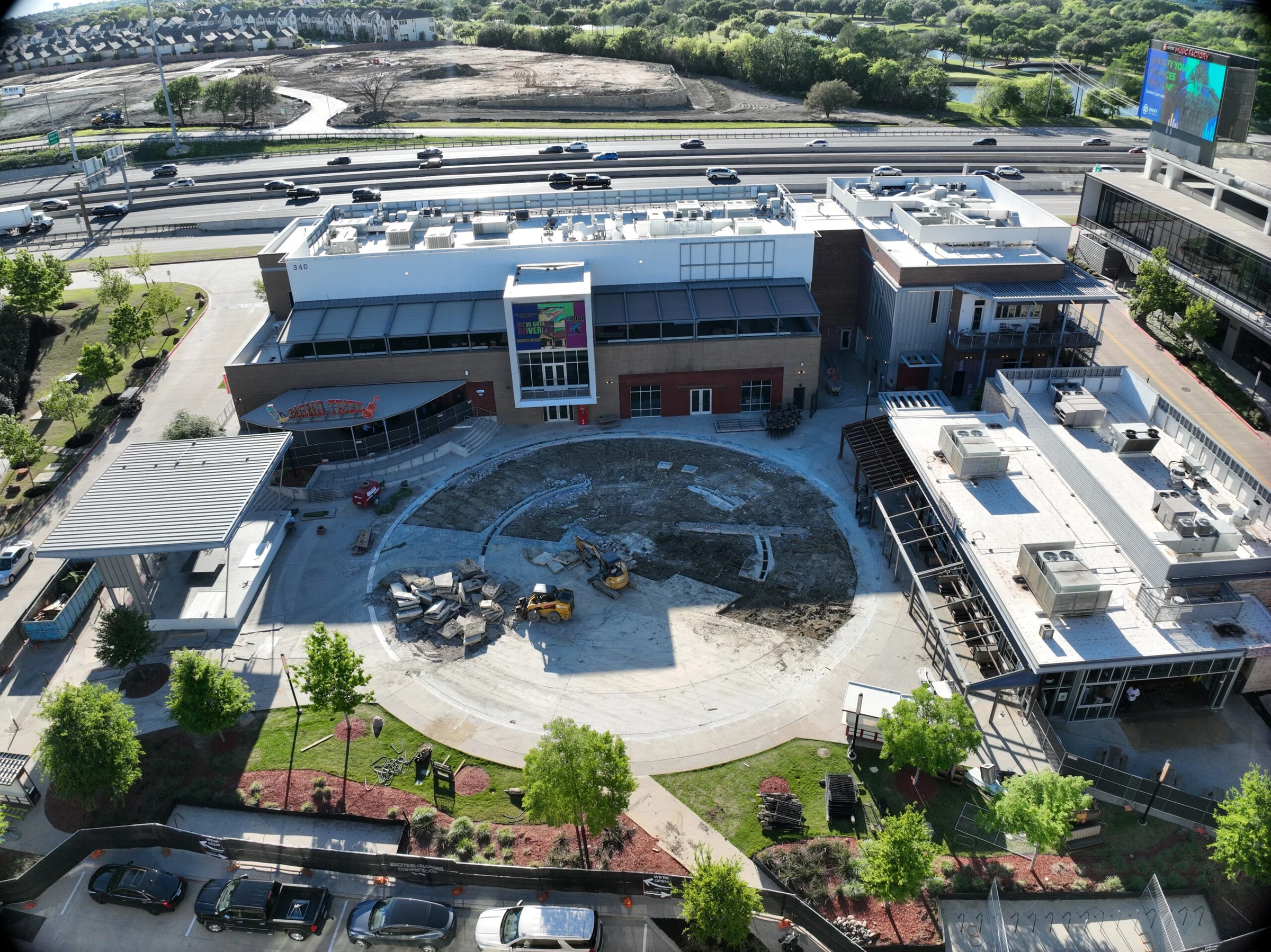
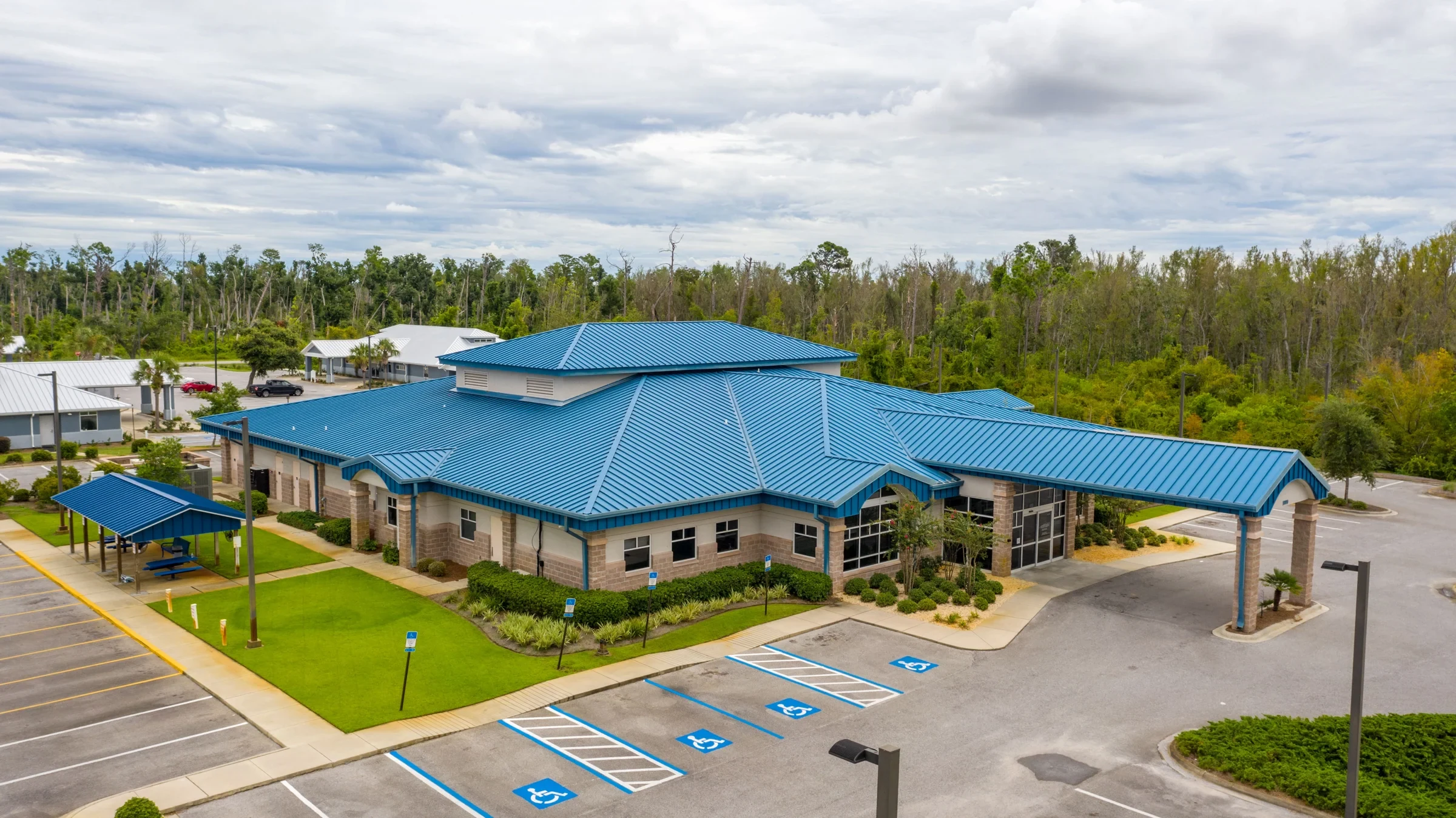
Project Types
Plan roofing work without disrupting the building
Warehouse, plant, medical, school, office, hotel, government, multifamily, and retail roofing planned around operations and occupancy.
Commercial roof systems from established manufacturers
A useful inspection ends with decisions
Know what needs attention now, what can wait, and what belongs in the capital plan.
Commercial Roofers of Columbus
Commercial Roof Asset Management and Capital Planning in Columbus
Roof Asset Management and Capital Planning for Columbus commercial properties starts with the condition in front of the owner. The field record must explain one building or a portfolio where roof ages, leak history, repair spending, condition, warranties, maintenance, and replacement timing need to live in one decision record, separate immediate protection from permanent work, and show how the findings affect repair, restoration, replacement, maintenance, and future capital decisions.
Build a roof record another decision-maker can use
A decision-grade Columbus roof record includes property and roof identifiers, area and system, installation year, warranty status, inspection dates, leak and repair history, condition grade, immediate needs, budget ranges, target year, and next inspection date. Conditions should be organized by roof area and priority rather than buried in a chronological photo dump. The field sequence is to inventory each roof area, establish condition and risk, connect service history to current findings, rank projects, and refresh the plan as repairs and inspections change the evidence. Photographs should show context and detail, and test locations should explain what question was being answered and how the opening was closed. Temporary protection, permanent repair, routine maintenance, and capital recommendations belong in separate sections. This keeps a successful dry-in from being mistaken for the completed repair and lets competing proposals be compared on the same basis.
Do not force different roof systems into one repair assumption
Roof-system identification changes the diagnosis. Around Columbus, the target page inventory includes Spray Polyurethane Foam, PVC Roof Systems, and TPO 80 Mil, each with its own seam, flashing, fastener, and compatibility questions. Preparation and repair language must fit the substrate. Cleaning, drying, reinforcement, fastening, priming, welding, adhesion, and cure requirements should not be copied from one roof system to another without verification. Drainage stays in the analysis because a sound patch cannot correct water held against a curb, an overloaded outlet, or settlement at a low point. System language should support which roofs need service now, which can be restored, which require engineering or design, and which replacements should be sequenced into future capital years instead of functioning as a product catalog.
Keep the occupied building in the scope
Manufacturing Operators, Insurance Restoration, and Retail Chain Operators do not share the same interruption tolerance. The roof scope should be written around the occupied property as well as the exterior defect. Document roof access, sensitive rooms and inventory, deliveries, public entrances, tenant hours, exhausts and air intakes, interior evidence, and the route used to move tools and debris. These conditions belong in the written scope before scheduling. Wet-weather work may stop at stabilization because permanent materials need a clean, dry substrate and a workable forecast. Daily closeout should state what was opened, completed, and left under temporary protection.
Use condition thresholds instead of sales pressure
The recommendation must answer which roofs need service now, which can be restored, which require engineering or design, and which replacements should be sequenced into future capital years. An isolated repair, repair program, restoration, recover assembly, and full replacement solve different condition patterns and should not be presented as interchangeable price levels. The option matrix should address present failure, remaining risk, investigation still required, installation disruption, anticipated service interval, and future maintenance. Unknown inputs should be visible rather than buried in an allowance. Ownership should be able to see why a roof can be maintained, why it qualifies for restoration, or why removal is necessary. The report earns that conclusion through field evidence rather than sales urgency.
Carry today's evidence into the next roof decision
After this scope, the record should advance to a living roof file supported by inspections and service agreements, with repair and replacement handled as separate opportunities. Carrying the same roof-zone names and evidence forward prevents the next visit from starting with an empty file. For one building, that history makes the next visit faster and reveals whether a repair held. Across a portfolio, it lets ownership rank roofs by condition, operational risk, repair spending, and capital timing instead of reacting to the newest ceiling stain. Commercial Roofers of Columbus can keep inspection and maintenance active while repair, restoration, or replacement moves through a separate project opportunity. The path remains response, evidence, the right scope, closeout, and the next scheduled roof decision.
Give the first call enough information to work
The first conversation about one building or a portfolio where roof ages, leak history, repair spending, condition, warranties, maintenance, and replacement timing need to live in one decision record should establish the Columbus property address, contact on site, roof-access method, affected interior area, when water was first observed, whether entry is active, and any immediate safety concern. The caller should not be asked to diagnose the assembly from the floor. A short description of timing, location, volume, affected equipment, and previous occurrences is more useful than guessing which roof product failed. Clear intake notes reduce wasted roof time and prevent the handoff from losing urgent details. They also create the first event in the roof history that later inspections and repair records can reference.
Make allowances and exclusions visible
The owner should see the boundary between the base scope and contingent work. That includes moisture limits, substrate repair, additional layers, damaged deck, blocked piping, inaccessible details, hazardous materials, and work by other trades. Exclusions should not function as an escape hatch. Each exclusion needs a reason and, where practical, a defined way to resolve it through testing, access, document review, engineering, or a unit-price condition discovered during construction. When assumptions are visible, the owner can decide whether to investigate further before award or carry a controlled contingency. Either choice is stronger than discovering that two supposedly comparable bids covered different roofs.
Connect the roof problem to the building and weather
Columbus, GA roofs work through heavy thunderstorms, high heat, humidity, wind-driven rain, and tropical weather remnants. That exposure guides the field sequence, but it does not by itself explain one building or a portfolio where roof ages, leak history, repair spending, condition, warranties, maintenance, and replacement timing need to live in one decision record. Interior evidence should be mapped to a roof elevation before anyone chooses a drain, wall, curb, seam, penetration, or edge as the cause. Water can move laterally through insulation, along deck flutes, or down structural elements and appear away from the opening. This distinction protects the owner from treating a correlation as proof. It also lets the next technician revisit the precise unknown instead of repeating the entire investigation.
Columbus decision checklist
- Map the interior symptom to a named roof area before selecting a repair detail.
- Record temporary measures separately from permanent work and list every open item.
- Verify drainage, penetrations, walls, edges, earlier repairs, and transitions around the affected area.
- State the observed roof assembly, unknown construction, access limits, and testing assumptions.
- Connect the recommendation to repair, restoration, replacement, maintenance, or capital-planning thresholds.
- Set the next inspection or follow-up date so the roof history continues after this visit.
Commercial roof decision questions
Does this condition automatically mean the roof must be replaced?
No. The review should establish which roofs need service now, which can be restored, which require engineering or design, and which replacements should be sequenced into future capital years. Replacement becomes a defensible recommendation only when the field evidence, moisture, assembly condition, repair history, deck or attachment concerns, and lifecycle comparison support it.
What should the Columbus roof scope document?
It should document property and roof identifiers, area and system, installation year, warranty status, inspection dates, leak and repair history, condition grade, immediate needs, budget ranges, target year, and next inspection date. It should also label temporary and permanent work separately, state assumptions and exclusions, and identify the inspection or service step that follows the current scope.
How does an urgent call become a maintenance or capital plan?
The immediate visit creates the first roof-area record. A follow-up inspection establishes condition and priorities. Completed repairs, recurring observations, drain service, warranties, and future recommendations are then retained so maintenance stays scheduled and larger work can be placed into the appropriate capital year.
From service call to roof plan
Use the next decision, not the biggest sale.
Stabilize the problem, document the roof, compare the viable paths, and keep the resulting roof history active.
Extend service life
Review cleaning, repairs, seam work, flashing corrections, and coating candidacy before assuming the roof needs to be replaced.
Roof coating optionsPrice replacement clearly
Define tear-off, recover, insulation, drainage, edge metal, penetrations, staging, and phasing so proposals can be compared on the same scope.
Commercial roof replacementKeep the roof on a schedule
Use recurring inspections, documented repairs, and budget visibility to reduce surprise calls and protect roof-system warranties.
Roof service agreements
Put the Next Roof Decision in Writing
Need a clear commercial roof assessment?
Send the building address, known roof history, active issue, and timing. We will help you choose the right first step.
Request a Roof ReviewExplore the full roofing scope
Review services, roof systems, project types, and the service area around Columbus.
View Services