Commercial Roofing Services
Standing Seam Metal Roofing in Columbus, GA
Standing Seam Metal for Columbus's Office and Retail Corridors
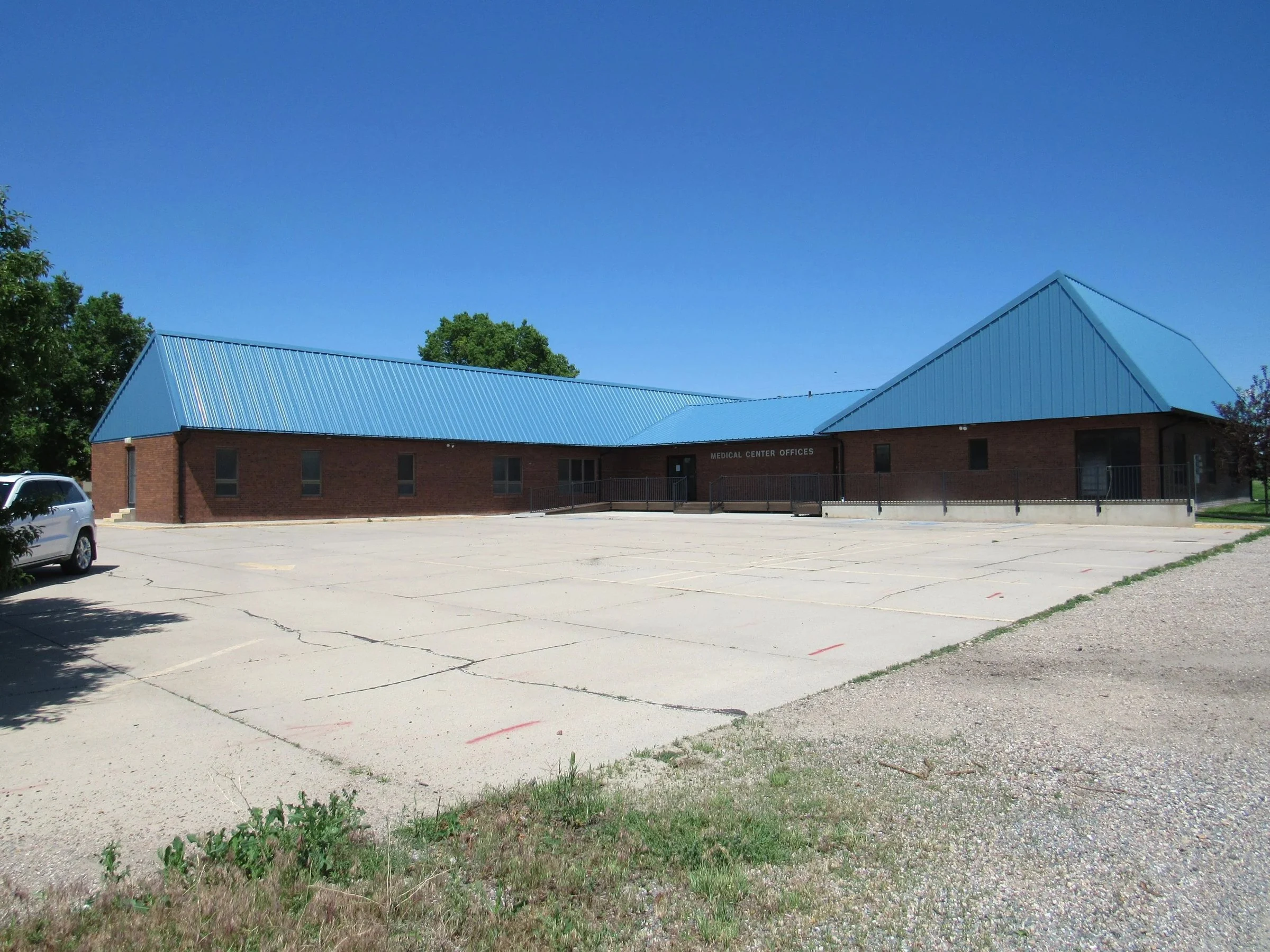
Standing seam shows up on office buildings, retail centers, and mixed-use developments across the metro, particularly around the Aflac campus and the office corridor near it, where architectural appearance matters alongside performance. The concealed-fastener panel design gives these buildings a cleaner roofline than exposed-fastener metal, and it holds up well against the wind and hail this region sees.
Why Standing Seam Fits Office and Retail Buildings
Concealed clips let standing seam panels move independently as they expand and contract with temperature, which matters here given how far the temperature can swing between a hot July afternoon and a fast-moving evening storm front. That movement tolerance reduces the fastener backout and panel fatigue that exposed-fastener systems can develop over the same thermal cycling.
On buildings where roofline appearance is part of the property's presentation, standing seam's clean panel lines and range of finish colors make it the default choice over exposed-fastener alternatives, even where a simpler system would cost less upfront. On multi-tenant retail centers specifically, roofline consistency across separate storefronts is often part of the property's original design intent, and a mismatched repair or partial replacement stands out visually in a way that owners want to avoid.
Panel Gauge and Hail Performance
Panel gauge determines how much hail impact a standing seam roof can absorb before showing visible denting. Thinner gauge panels dent more readily under the hail sizes this region's summer thunderstorms can produce, and while cosmetic denting doesn't necessarily compromise water-shedding performance, it does affect the roof's appearance on a building where that matters. We walk through gauge options with owners weighing upfront cost against long-term appearance and hail resilience.
Clip and seam design matters as much as gauge for actual water-tightness. A well-detailed standing seam roof in a heavier gauge and a lighter gauge roof with better clip spacing can both perform adequately against wind and water, so we look at the whole assembly rather than gauge alone when evaluating an existing roof or specifying a new one.
Thermal Movement and Clip Design
Georgia's swing between summer heat and sudden storm cooling puts real thermal stress on any metal roof, and standing seam's floating clip system is specifically designed to accommodate that movement without transferring stress to the fasteners. On older installations where clip spacing was under-specified or clips have started to fatigue, we see oil-canning and, in more advanced cases, seam separation at panel ends. Both are things we check for on every inspection of an existing standing seam roof. Oil-canning by itself is mostly cosmetic, a visual waviness in the flat pan of the panel, but when it appears alongside movement at the seam itself, that's usually a sign the clip system needs attention before a wind event turns a cosmetic issue into a water intrusion point.
Coordinating Installation Around Retail Operating Hours
Retail centers along the corridor don't want scaffolding, material staging, or crane operations disrupting customer parking and entrances during business hours. We typically:
- Stage material and equipment in rear or service areas away from customer entrances
- Schedule crane picks and noisy work for early morning before stores open
- Coordinate with individual tenants in multi-tenant centers before work affects their storefront
- Keep at least one weathertight section closed out before ending each work day
- Communicate any temporary parking or access changes to property management in advance
Repairing Hail Dents Versus Full Panel Replacement
Not every hail-dented standing seam roof needs new panels. If the damage is cosmetic and the seams and clips test sound, we can sometimes address it with targeted panel replacement in the affected area rather than a full reroof, particularly on buildings where the dented panels are limited to one slope or section that took the brunt of a storm's direction. Matching a discontinued finish color to existing panels can be the harder part of that repair, and we check finish availability before promising a close visual match on an older roof.
Common Questions About Standing Seam Roofs
Will hail here dent our standing seam roof?
It's possible depending on hail size and panel gauge. We can walk through gauge options that reduce dent visibility if appearance is a priority for your building.
Can you replace just the dented panels instead of the whole roof?
Often, yes, if the damage is limited to a section and the underlying seams and clips test sound. We evaluate that on a case-by-case basis after a storm.
How do you keep our parking lot and storefronts accessible during installation?
We stage material in service areas, schedule disruptive work for early morning hours, and coordinate directly with individual tenants in multi-tenant centers before work affects their entrance.
What causes oil-canning on an existing standing seam roof?
Under-specified clip spacing or panel fatigue from repeated thermal cycling. We check clip condition and spacing on inspections of older standing seam installations, since correcting clip spacing early is a far smaller, cheaper job than replacing whole panel runs once seam separation sets in.
What finish colors are available?
Standing seam comes in a wide range of factory finishes. We can help match or coordinate a finish with your building's existing appearance or brand standards, and we'll flag upfront if a specific color has a longer lead time than the rest of the project schedule allows, since custom or discontinued finish orders can sometimes push a start date back by several weeks longer than expected.
Ready to review the roof scope?