Commercial Roof Repair in Columbus, GA

Commercial Roofing Services

Commercial Roof Repair in Columbus, GA
Commercial Roof Repair in Columbus, GA

Tracking Down Leaks Before They Reach the Floor Below

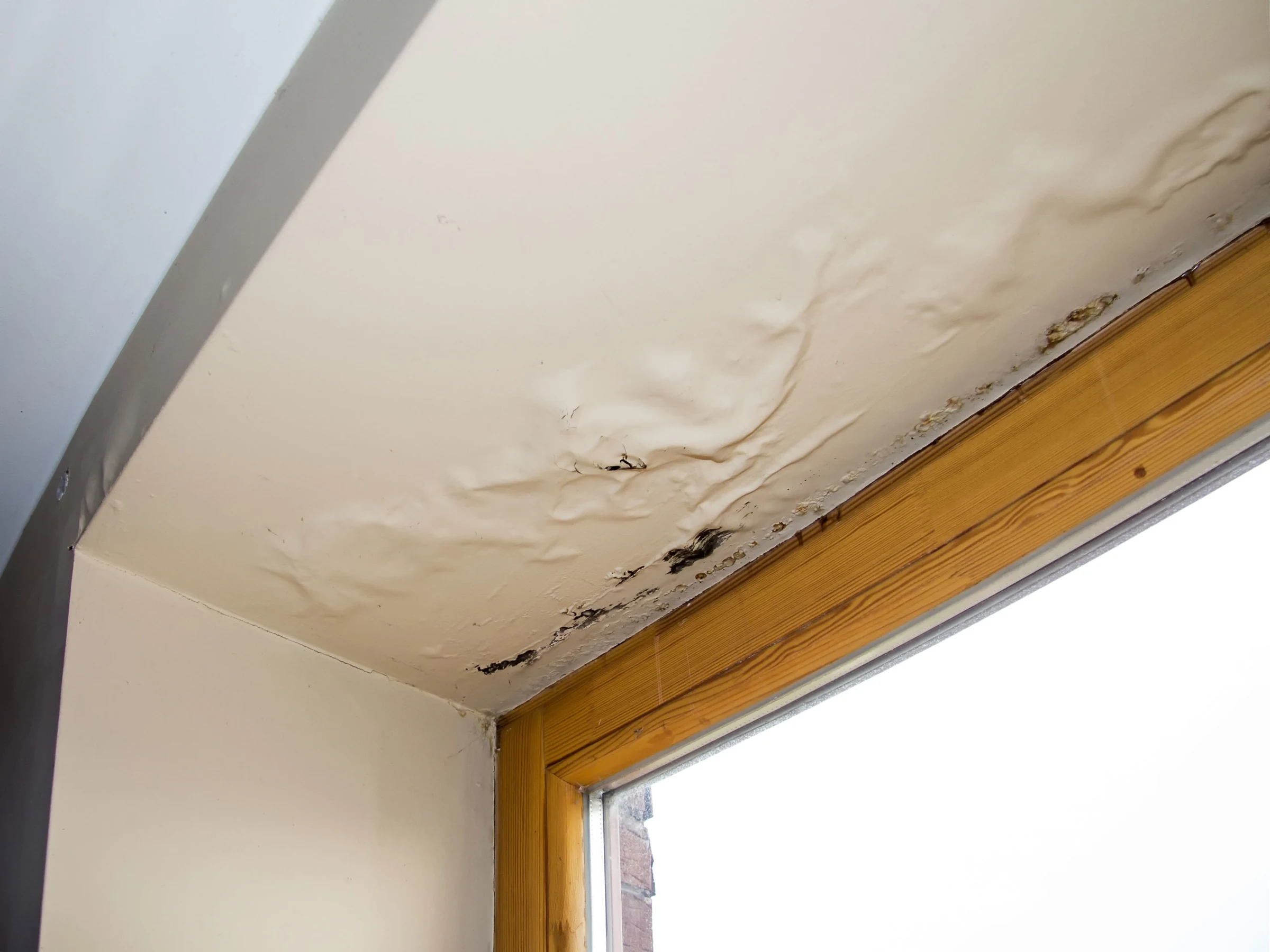
The scope documents leak sources, repair boundaries, photos, and priorities so Columbus, GA owners can separate immediate stabilization from longer-term capital work. A ceiling stain rarely sits under the actual leak, and chasing the wrong spot wastes a service call and a day of water damage. We trace leaks along the deck and flashing lines until we find where water is actually getting in, then fix that.

Why Leaks in Columbus Buildings Show Up Where They Do

Humidity swings and afternoon thunderstorm cells push water sideways under membrane laps and through failed pitch pans faster than most owners expect, which is why a leak over a break room can trace back thirty feet to a rooftop unit curb. We map the roof's drainage path first rather than starting at the interior stain and guessing.

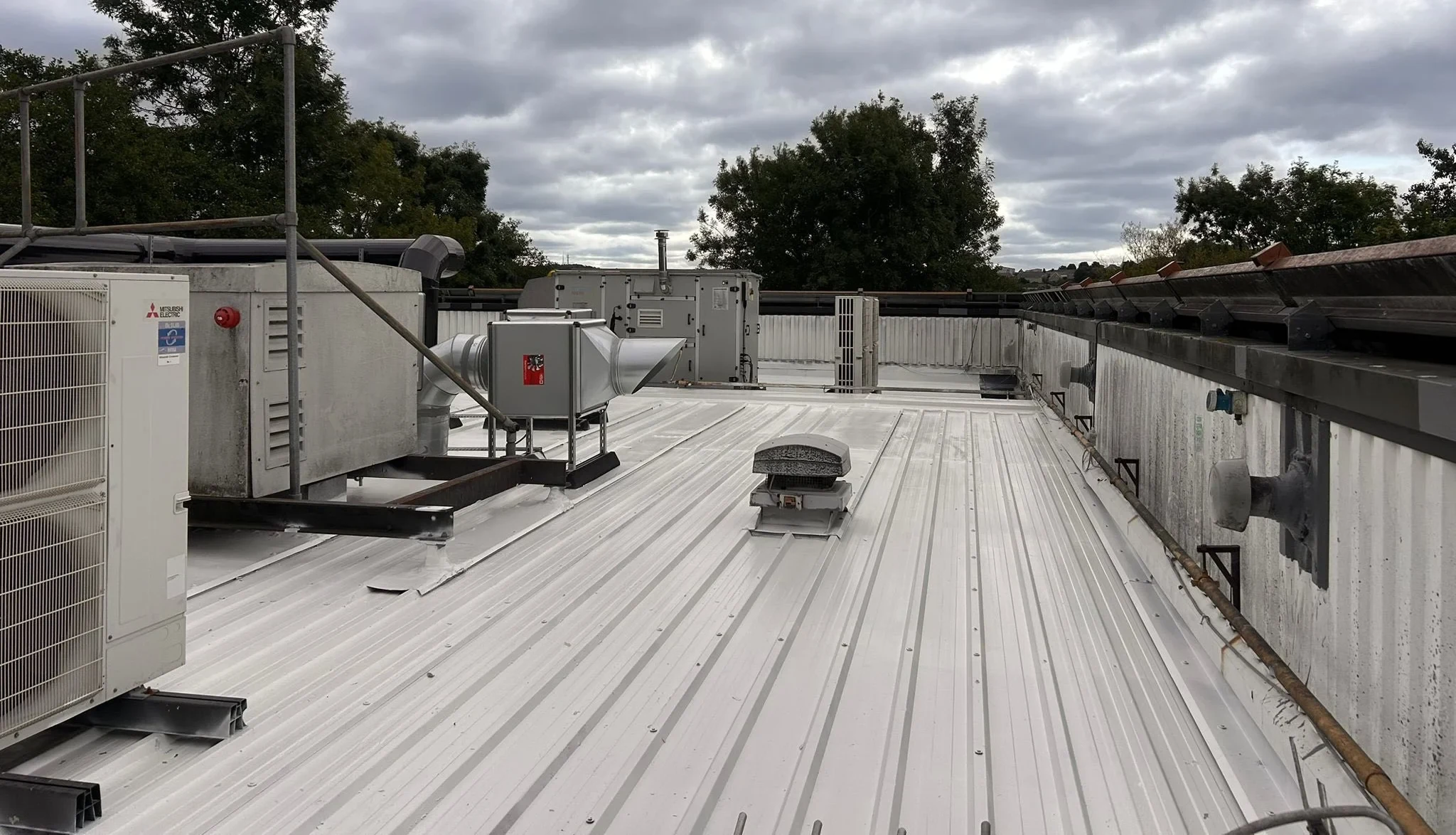
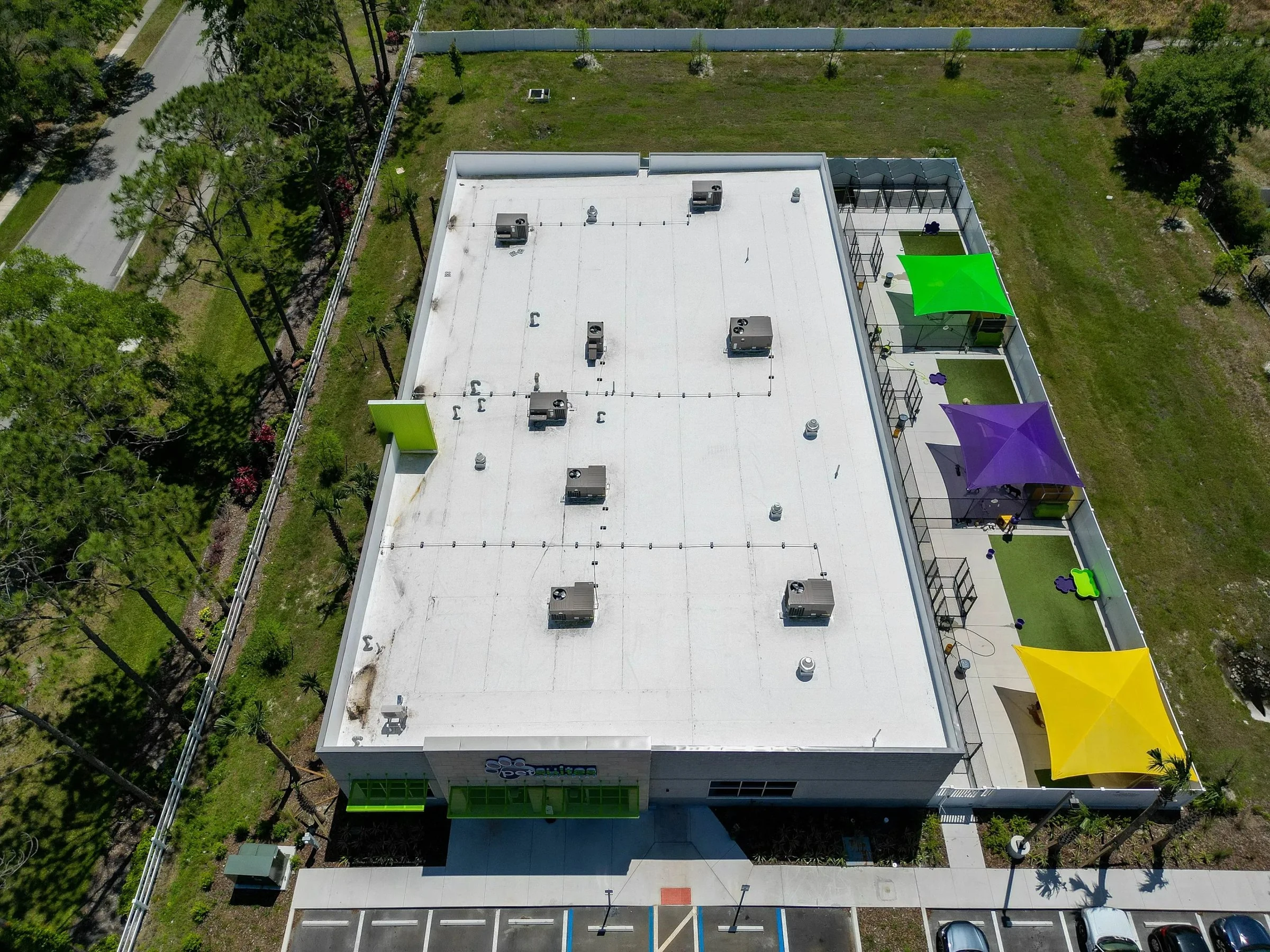
Buildings with rooftop units clustered for data or server cooling, common on the payments-processing and financial services campuses in town, tend to leak at curb flashing and condensate lines rather than the open field, so we check those penetrations early in the diagnosis.

Finding the Real Source Instead of Patching the Symptom

We walk the roof in the direction water would flow from the interior stain, checking seams, penetrations, parapet flashing, and drain bowls along the way. A moisture meter and, when needed, an infrared scan confirm wet insulation pockets that a visual walk alone can miss.

Once the source is confirmed, we repair the actual failure point rather than sealing over the interior symptom, which is the difference between a leak that stays fixed and one that reappears after the next storm.

Dispatch Timing That Respects Your Operating Hours

Retail and office tenants get repair windows scheduled around business hours whenever the leak is not actively threatening equipment or inventory, so a crew is not walking a sales floor roof during peak customer traffic.

For manufacturing and warehouse buildings running shift schedules near the Airport Thruway and Psalmond Road industrial parks, we coordinate roof access with dock activity so ladder and lift placement never blocks a loading door.

  • Interior stain traced to likely rooftop source before a technician climbs
  • Roof walk following the full drainage path, beyond the field near the stain
  • Seams, penetrations, and parapet flashing checked in sequence
  • Moisture meter or infrared scan used to confirm wet insulation
  • Temporary patch installed same-visit if water is actively entering
  • Permanent repair scheduled around your operating hours
  • Photo documentation provided for maintenance or insurance records

Temporary Protection While a Full Fix Is Scheduled

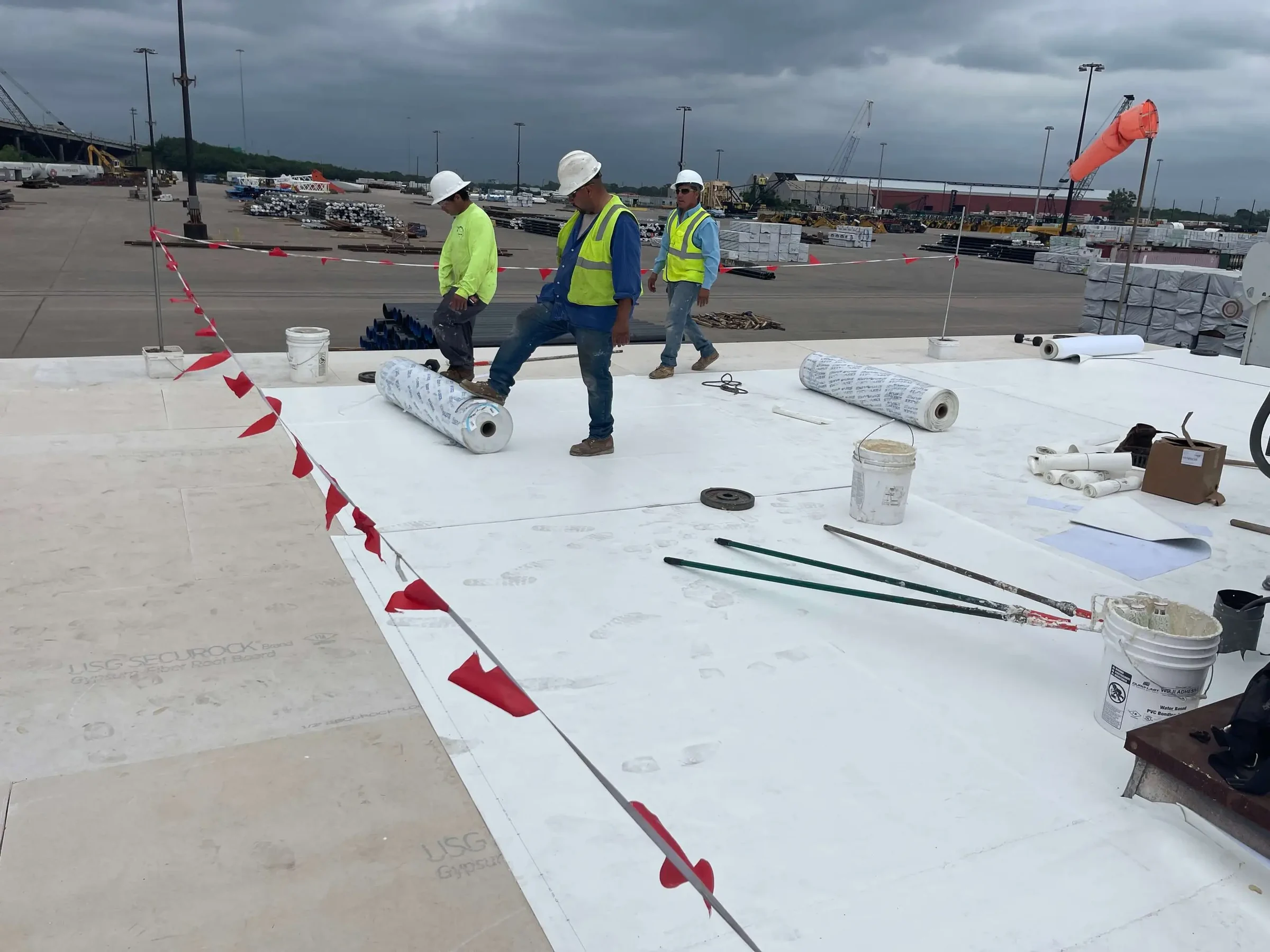
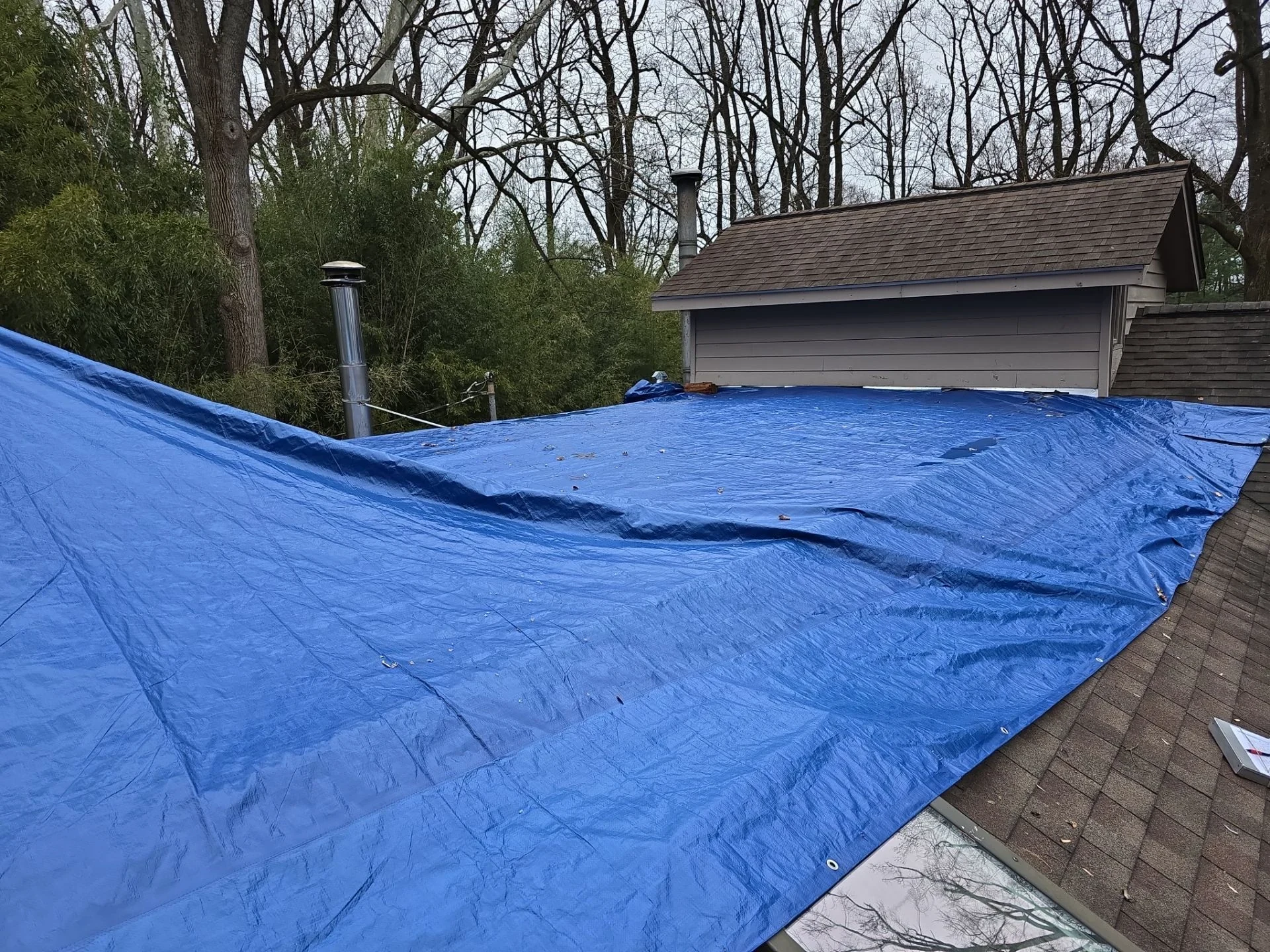
If a leak is found during a storm event or after hours, we can install temporary flashing or membrane patches to stop active water intrusion the same visit, buying time to schedule a permanent repair without leaving a building exposed.

This matters most on buildings with sensitive contents, such as server rooms, medical storage near the hospital campuses, or finished retail inventory, where even a short delay in stopping water can turn into a much larger claim.

Documenting the Repair for Your Records

Every leak call gets photos of the source, the repair, and the interior damage if present, which owners can use for their own maintenance logs or, if needed, an insurance file. We describe findings in plain terms rather than jargon so a property manager without a roofing background can follow what happened.

Leak Calls on the Retail and Hotel Belt Near the Base

Hotels and strip retail along Victory Drive and Buena Vista Road, serving the traffic in and out of Fort Moore's main gate, run full occupancy through the year and cannot take a room or storefront offline for a slow repair. We prioritize these calls with an eye toward getting a unit or bay back in service fast rather than treating the whole roof as one job.

Aging modified bitumen roofs are common on this stretch of corridor, and leaks there often trace to lap seams that were never fully welded rather than storm damage, which changes both the diagnosis and the fix.

Leak Repair Questions We Hear Often

Why is the leak inside not directly under the roof problem?

Water follows the path of least resistance once it gets under a membrane, often traveling along deck seams or insulation joints before dripping through. That is why we trace the drainage path rather than cutting straight down from the interior stain.

Can you come out during a thunderstorm if water is actively coming in?

We prioritize active leak calls and will get someone out as soon as conditions allow safe roof access. Lightning and high wind can delay a rooftop visit, but we can often advise on interior protection while we wait it out.

Do you offer temporary repairs if the full fix has to wait?

Yes. A temporary patch or flashing repair can stop active intrusion the same day in most cases, which gives us room to schedule the permanent fix without leaving your building exposed to the next storm.

How do you avoid disrupting our retail floor during a repair?

We schedule non-emergency leak repairs around your open hours when possible, and we keep ladder and lift placement away from customer entrances and parking.

Will you tell us if the leak points to a bigger roof problem?

Yes. If a leak repair uncovers wider membrane wear, saturated insulation, or aging flashing, we explain what we found and what the options are, including rough timelines for when a bigger repair or a reroof conversation is worth having, rather than just patching and moving on without context.

Ready to review the roof scope?
Commercial Roof Leak Repair in Columbus

The scope documents leak sources, repair boundaries, photos, and priorities so Columbus, GA owners can separate immediate stabilization from longer-term capital work. A ceiling stain rarely sits under the actual leak, and chasing the wrong spot wastes a service call and a day of water damage. We trace leaks along the deck and flashing lines until we find where water is actually getting in, then fix that.

Why Leaks in Columbus Buildings Show Up Where They Do

Humidity swings and afternoon thunderstorm cells push water sideways under membrane laps and through failed pitch pans faster than most owners expect, which is why a leak over a break room can trace back thirty feet to a rooftop unit curb. We map the roof's drainage path first rather than starting at the interior stain and guessing.

Buildings with rooftop units clustered for data or server cooling, common on the payments-processing and financial services campuses in town, tend to leak at curb flashing and condensate lines rather than the open field, so we check those penetrations early in the diagnosis.

Finding the Real Source Instead of Patching the Symptom

We walk the roof in the direction water would flow from the interior stain, checking seams, penetrations, parapet flashing, and drain bowls along the way. A moisture meter and, when needed, an infrared scan confirm wet insulation pockets that a visual walk alone can miss.

Once the source is confirmed, we repair the actual failure point rather than sealing over the interior symptom, which is the difference between a leak that stays fixed and one that reappears after the next storm.

Dispatch Timing That Respects Your Operating Hours

Retail and office tenants get repair windows scheduled around business hours whenever the leak is not actively threatening equipment or inventory, so a crew is not walking a sales floor roof during peak customer traffic.

For manufacturing and warehouse buildings running shift schedules near the Airport Thruway and Psalmond Road industrial parks, we coordinate roof access with dock activity so ladder and lift placement never blocks a loading door.

Temporary Protection While a Full Fix Is Scheduled

If a leak is found during a storm event or after hours, we can install temporary flashing or membrane patches to stop active water intrusion the same visit, buying time to schedule a permanent repair without leaving a building exposed.

This matters most on buildings with sensitive contents, such as server rooms, medical storage near the hospital campuses, or finished retail inventory, where even a short delay in stopping water can turn into a much larger claim.

Documenting the Repair for Your Records

Every leak call gets photos of the source, the repair, and the interior damage if present, which owners can use for their own maintenance logs or, if needed, an insurance file. We describe findings in plain terms rather than jargon so a property manager without a roofing background can follow what happened.

Leak Calls on the Retail and Hotel Belt Near the Base

Hotels and strip retail along Victory Drive and Buena Vista Road, serving the traffic in and out of Fort Moore's main gate, run full occupancy through the year and cannot take a room or storefront offline for a slow repair. We prioritize these calls with an eye toward getting a unit or bay back in service fast rather than treating the whole roof as one job.

Aging modified bitumen roofs are common on this stretch of corridor, and leaks there often trace to lap seams that were never fully welded rather than storm damage, which changes both the diagnosis and the fix.

Leak Repair Questions We Hear Often

Why is the leak inside not directly under the roof problem?

Water follows the path of least resistance once it gets under a membrane, often traveling along deck seams or insulation joints before dripping through. That is why we trace the drainage path rather than cutting straight down from the interior stain.

Can you come out during a thunderstorm if water is actively coming in?

We prioritize active leak calls and will get someone out as soon as conditions allow safe roof access. Lightning and high wind can delay a rooftop visit, but we can often advise on interior protection while we wait it out.

Do you offer temporary repairs if the full fix has to wait?

Yes. A temporary patch or flashing repair can stop active intrusion the same day in most cases, which gives us room to schedule the permanent fix without leaving your building exposed to the next storm.

How do you avoid disrupting our retail floor during a repair?

We schedule non-emergency leak repairs around your open hours when possible, and we keep ladder and lift placement away from customer entrances and parking.

Will you tell us if the leak points to a bigger roof problem?

Yes. If a leak repair uncovers wider membrane wear, saturated insulation, or aging flashing, we explain what we found and what the options are, including rough timelines for when a bigger repair or a reroof conversation is worth having, rather than just patching and moving on without context.

Do not force different roof systems into one repair assumption

EPDM Black, TPO 60 Mil, and Spray Polyurethane Foam can show a similar interior symptom while requiring different investigation and repair details. The observed assembly—not a generic flat-roof label—has to control the scope. Preparation and repair language must fit the substrate. Cleaning, drying, reinforcement, fastening, priming, welding, adhesion, and cure requirements should not be copied from one roof system to another without verification. The final comparison should show which materials can accept repair or restoration, which areas need removal, and which unknowns could change the scope. Product preference comes after those conditions are established.

Keep the occupied building in the scope

A technically correct detail is only part of the job at Columbus properties such as Manufacturing Operators, Insurance Restoration, and Government Public Sector. The plan also has to protect people, inventory, equipment, and normal access below the roof. Access and protection notes should cover ladders or hatches, staging, falling-object zones, odor and noise, equipment clearances, daily cleanup, weather stops, and the rooms directly below openings or test cuts. Operating controls are roof-quality controls. Water, debris, odor, noise, or an unsecured access point can harm the owner even when the installed detail itself is correct, so those risks need owners and closeout checks.

Use condition thresholds instead of sales pressure

Before pricing becomes the focus, ownership needs an answer to whether the defect is isolated, whether trapped moisture changes the scope, and whether continued spot repair remains defensible. That answer should define the boundary between service work and a capital project. Compare the distribution of wet materials, attachment and deck concerns, drainage, detail density, repair frequency, disruption, expected ownership period, energy goals, code assumptions, and warranty requirements. Cost without those differences is not a lifecycle comparison. Ownership should be able to see why a roof can be maintained, why it qualifies for restoration, or why removal is necessary. The report earns that conclusion through field evidence rather than sales urgency.

Carry today's evidence into the next roof decision

The work becomes more valuable when it leads to an inspection that separates an isolated repair from restoration, recover, or replacement planning. A service call, inspection, and capital project should use one continuous property and roof-area history. The record should support both field work and management review. Technicians need locations and prior details; ownership needs priorities, open risk, completed spending, next inspection dates, and a defensible future sequence. Recurring service should not disappear when a capital project begins. Commercial Roofers of Columbus can preserve the agreement and roof history while larger work is scoped, completed, closed out, and returned to inspection status.

Give the first call enough information to work

The first conversation about recurring ceiling stains, active dripping, damp insulation, open laps, failed penetrations, wall-flashing defects, or earlier repairs that no longer hold should establish the Columbus property address, contact on site, roof-access method, affected interior area, when water was first observed, whether entry is active, and any immediate safety concern. The caller should not be asked to diagnose the assembly from the floor. A short description of timing, location, volume, affected equipment, and previous occurrences is more useful than guessing which roof product failed. The response plan should match the reported condition without promising a cause, permanent repair, or arrival time that has not been verified. Dispatch clarity is valuable precisely because it avoids unsupported assumptions.

Make allowances and exclusions visible

Pricing is easier to evaluate when the scope shows which conditions were measured, which were observed but not opened, and which remain concealed. Unit prices or allowances can address uncertainty without pretending the quantity is already known. Exclusions should not function as an escape hatch. Each exclusion needs a reason and, where practical, a defined way to resolve it through testing, access, document review, engineering, or a unit-price condition discovered during construction. When assumptions are visible, the owner can decide whether to investigate further before award or carry a controlled contingency. Either choice is stronger than discovering that two supposedly comparable bids covered different roofs.

Connect the roof problem to the building and weather

Weather around Columbus, GA combines heavy thunderstorms, high heat, humidity, wind-driven rain, and tropical weather remnants. The timing of that exposure can reveal a weak detail, yet the weather event and the leak source are not automatically the same thing. Start with the room, ceiling grid, equipment, wall line, and time of entry, then carry those coordinates to the roof. Comparing high and low points, rooftop details, prior patches, and flow paths is more reliable than standing over the first wet-looking surface. A useful report does not hide uncertainty. It names the unverified areas, explains why they were inaccessible, and states which follow-up observation or test would resolve the question.

What the field record must establish

A decision-grade Columbus roof record includes the affected interior zone, roof-area map, repair history, membrane condition, wet-area indicators, photographs, test locations, and the exact limits of the proposed repair. Conditions should be organized by roof area and priority rather than buried in a chronological photo dump. During the visit, the technician should trace the water path from the interior evidence back through roof elevations, seams, penetrations, curbs, walls, edges, and drains instead of sealing the first suspicious detail. Wide views, detail views, measurements, markings, and interior references make the findings reproducible instead of dependent on memory. Temporary protection, permanent repair, routine maintenance, and capital recommendations belong in separate sections. This keeps a successful dry-in from being mistaken for the completed repair and lets competing proposals be compared on the same basis.

Columbus decision checklist

  • Map the interior symptom to a named roof area before selecting a repair detail.
  • Record temporary measures separately from permanent work and list every open item.
  • Verify drainage, penetrations, walls, edges, earlier repairs, and transitions around the affected area.
  • State the observed roof assembly, unknown construction, access limits, and testing assumptions.
  • Connect the recommendation to repair, restoration, replacement, maintenance, or capital-planning thresholds.
  • Set the next inspection or follow-up date so the roof history continues after this visit.

Commercial roof decision questions

Does this condition automatically mean the roof must be replaced?

No. The review should establish whether the defect is isolated, whether trapped moisture changes the scope, and whether continued spot repair remains defensible. Replacement becomes a defensible recommendation only when the field evidence, moisture, assembly condition, repair history, deck or attachment concerns, and lifecycle comparison support it.

What should the Columbus roof scope document?

It should document the affected interior zone, roof-area map, repair history, membrane condition, wet-area indicators, photographs, test locations, and the exact limits of the proposed repair. It should also label temporary and permanent work separately, state assumptions and exclusions, and identify the inspection or service step that follows the current scope.

How does an urgent call become a maintenance or capital plan?

The immediate visit creates the first roof-area record. A follow-up inspection establishes condition and priorities. Completed repairs, recurring observations, drain service, warranties, and future recommendations are then retained so maintenance stays scheduled and larger work can be placed into the appropriate capital year.

From service call to roof plan

Use the next decision, not the biggest sale.

Stabilize the problem, document the roof, compare the viable paths, and keep the resulting roof history active.

Request commercial roof help

Roof Help