Roof Systems
TPO 80 Mil Roofing in Columbus, GA
80-Mil TPO for Heavy-Duty Columbus Roofs
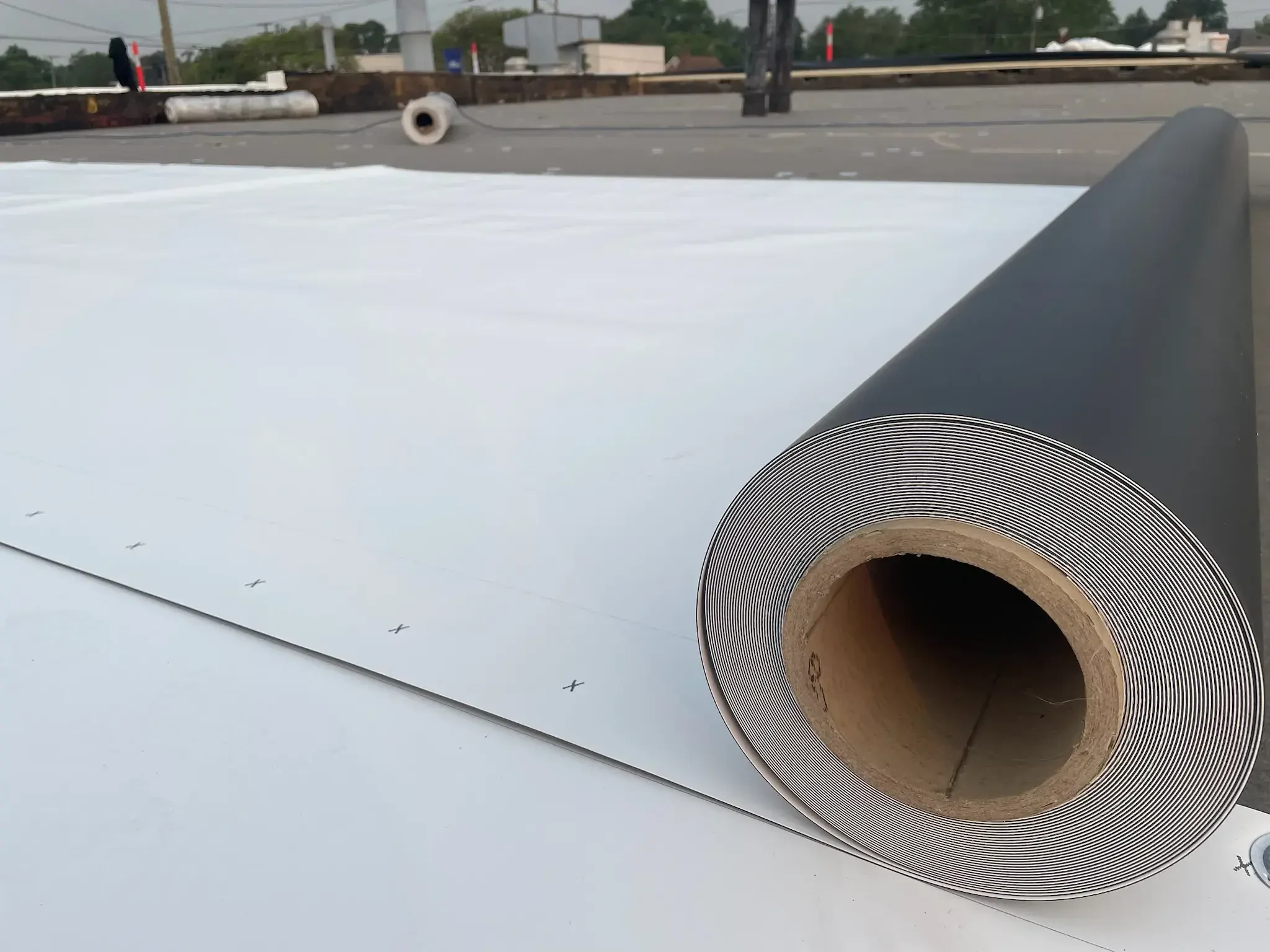
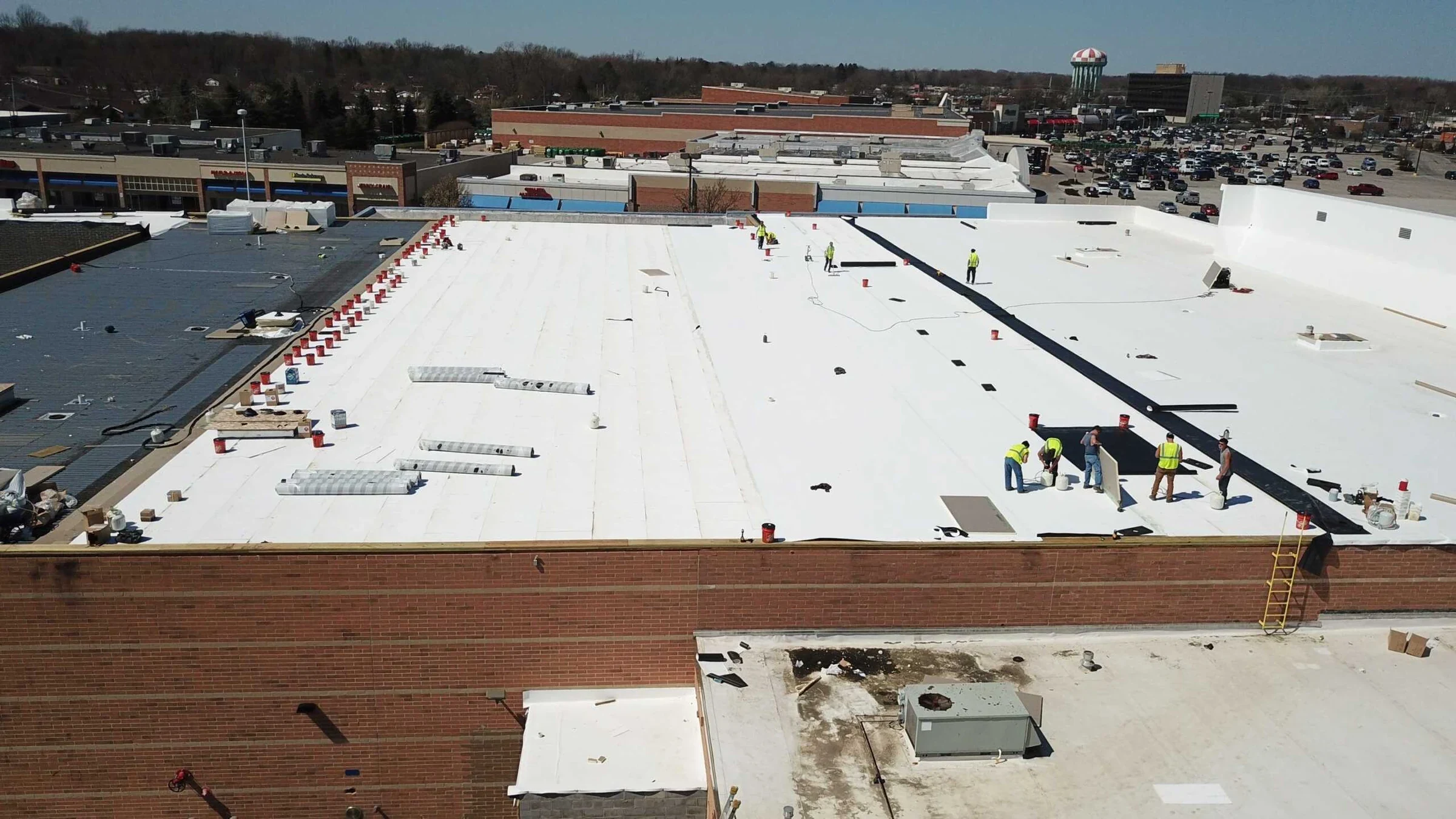
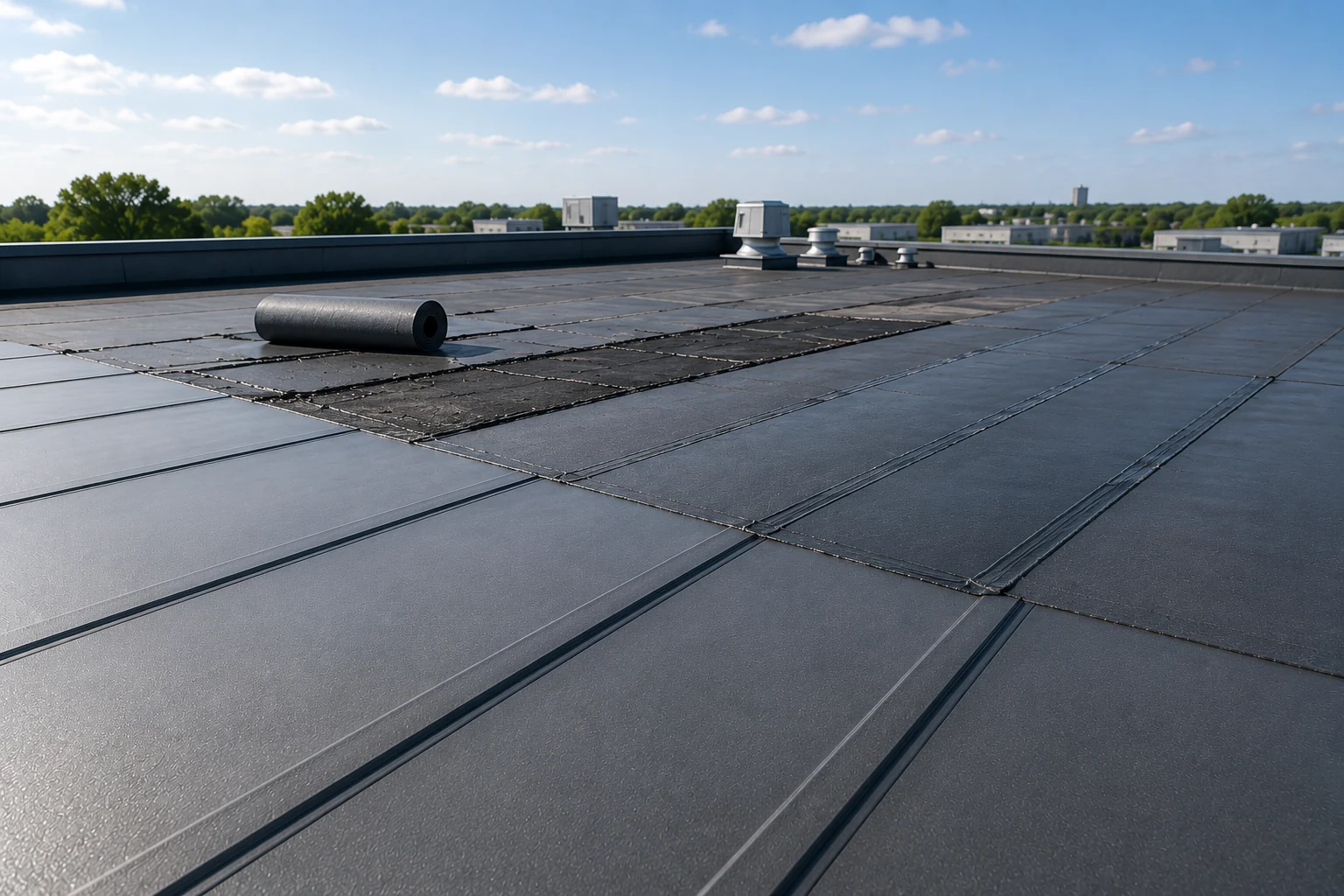
We reach for 80-mil TPO when a building's rooftop traffic, equipment load, or hail exposure justifies the extra membrane thickness over our standard 60-mil spec. It is the same hot-air-welded chemistry, just more weathering ply above the scrim, and on the right building that extra ply buys real years of service life.
Where the Thickness Actually Pays Off
Manufacturing plants near the Fort Moore corridor and industrial buildings with dense rooftop unit counts wear their roofs harder than a typical retail box. Every service technician walking to a condenser or a makeup air unit compresses the membrane underfoot, and that traffic accumulates over a fifteen or twenty year hold. Eighty-mil membrane tolerates that wear pattern longer before the reinforcing scrim starts to show.
We also spec 80-mil on buildings where the owner has told us plainly they intend to hold the asset long-term and want the extra weathering margin. The reinforcing scrim sits in the same location in both thicknesses, so the added twenty mils is pure top-ply material, the layer that takes the UV exposure and the foot traffic first.
UV and Heat Aging Over a Longer Hold
Columbus summers put sustained UV load on a roof membrane for months at a stretch, and that exposure is cumulative. The additional top-ply thickness on an 80-mil sheet gives the membrane more material to weather through before the reinforcing layer is exposed, which matters most on buildings the owner plans to hold past a typical twenty-year warranty term.
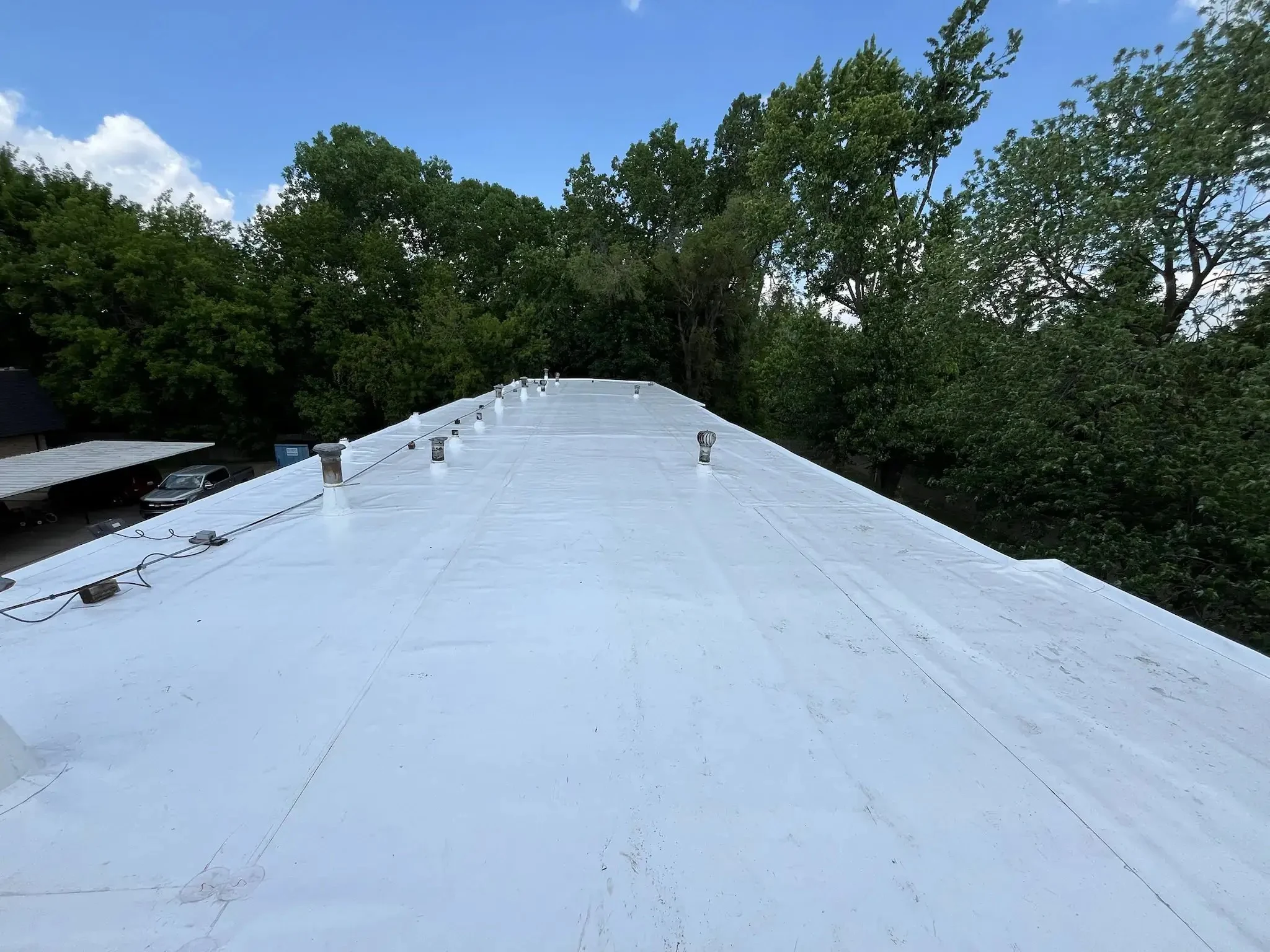
We still specify a white or light-colored membrane regardless of thickness, because reflectivity does more for surface temperature than gauge does. Thickness and color solve different problems, one is wear and weathering margin, the other is heat load, and a serious 80-mil spec addresses both.
Wind Uplift on Taller and Exposed Buildings
Taller manufacturing and distribution buildings around Columbus see higher wind-uplift pressures at the roof perimeter and corners, and heavier gauge membrane resists flutter fatigue better under sustained gusts from a passing thunderstorm line. We run the fastening pattern or adhesive coverage to the specific uplift design for the building rather than assuming heavier membrane alone solves an uplift problem, because attachment method matters as much as gauge.
Hail and Impact Resistance
The extra membrane thickness on an 80-mil sheet gives a real, measurable edge in impact resistance over 60-mil when severe thunderstorm cells drop hail across the Chattahoochee Valley. We still pair it with a high-density cover board underneath, because the membrane and the substrate work together to stop a stone from denting through to the insulation, and neither one alone is the full answer.
Standing Up to Tropical Rain Volume
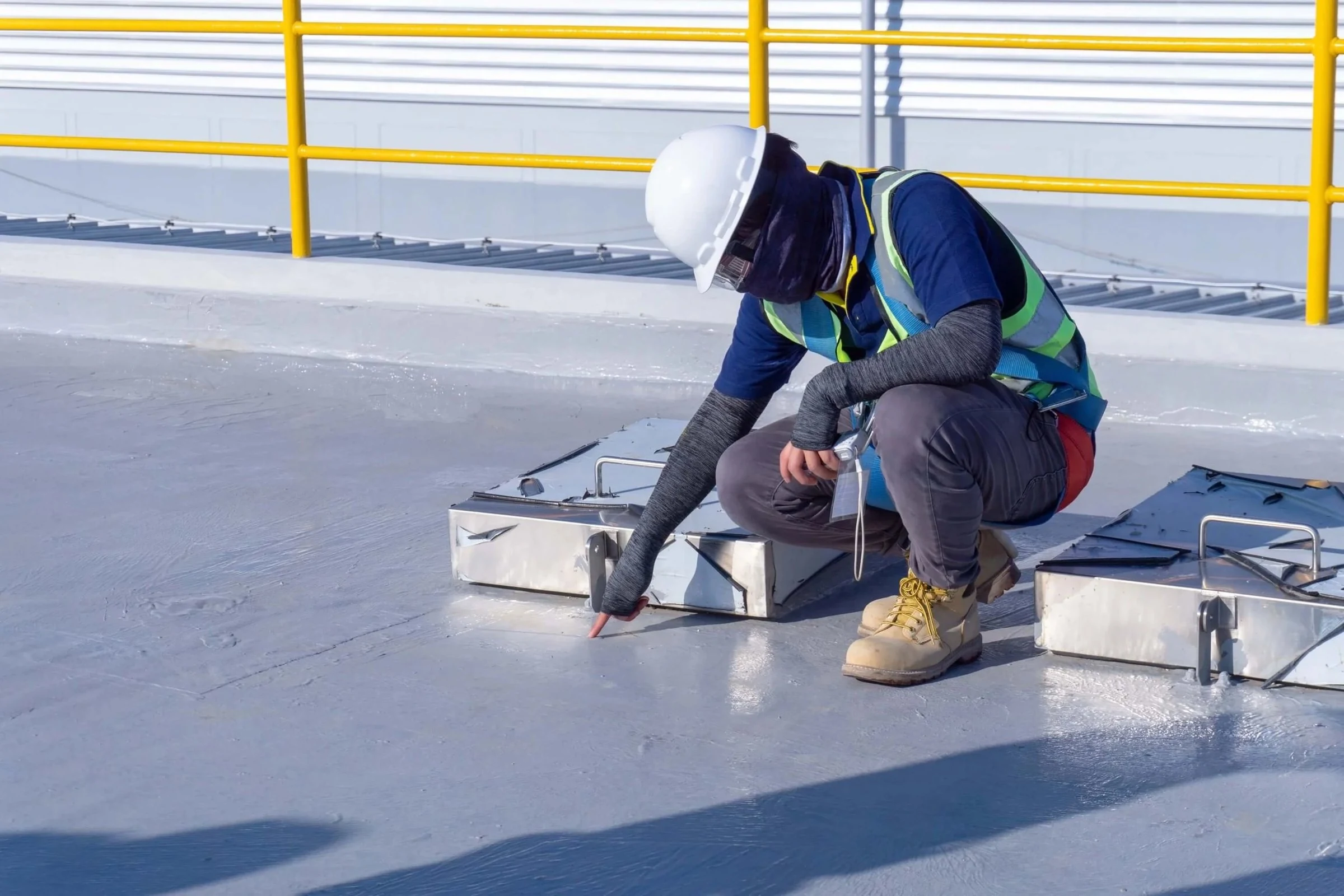
When a tropical system remnant tracks across Georgia and drops sustained heavy rain for a day or two, the field seams and flashing details carry the load, not the membrane thickness itself. We hold the same weld-probe standard on 80-mil work as we do on 60-mil, and we oversize drain and scupper capacity on buildings where ponding during a multi-day rain event would be a real risk to the roof or the operations below it.
Keeping a Manufacturing Building Running During the Work
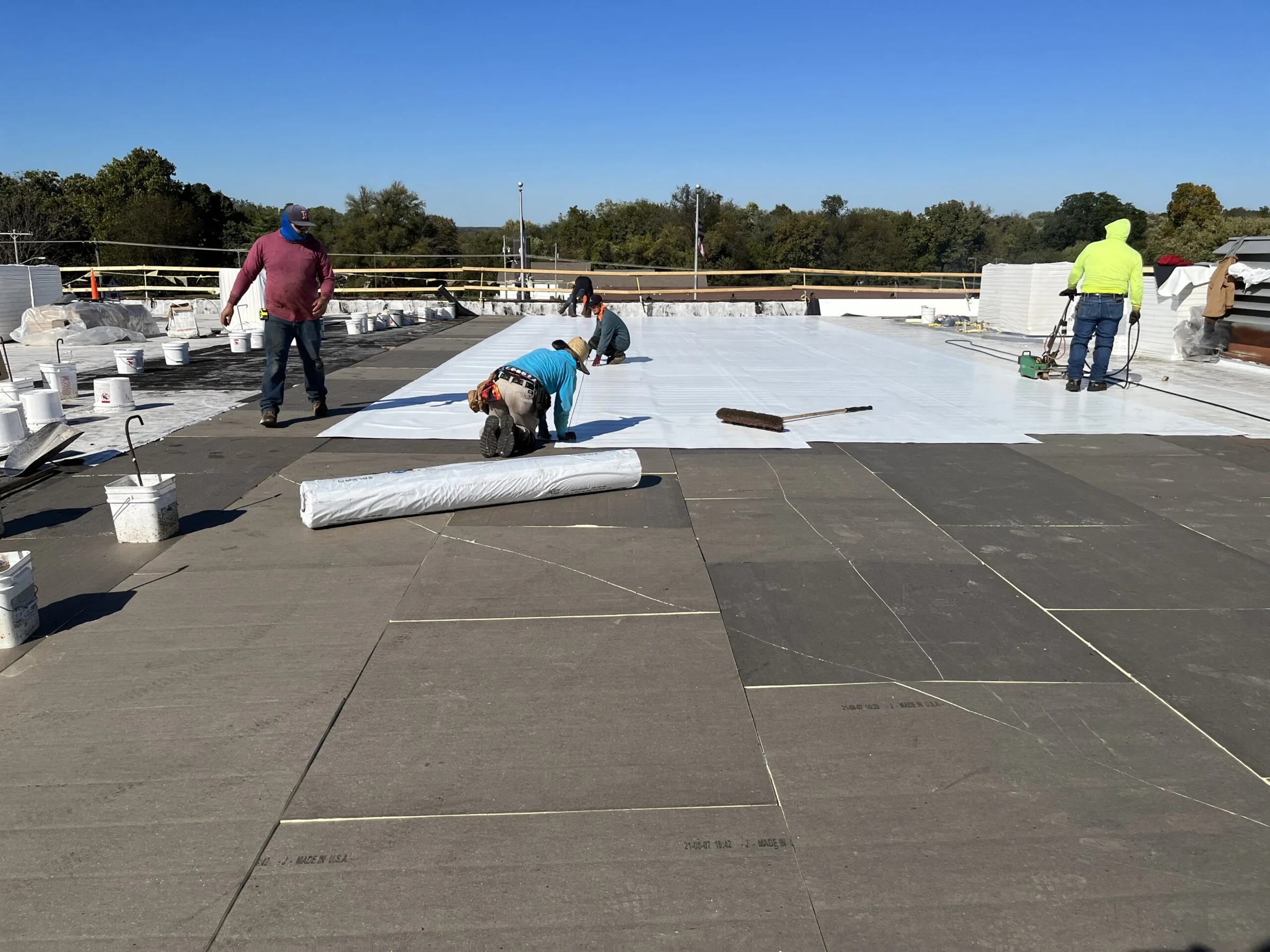
Manufacturing buildings near the Fort Moore supply corridor rarely have the luxury of shutting a production line down for a roof replacement. We phase 80-mil tear-off and install in sections small enough to dry in before the day's weather turns, coordinate rooftop access around process shutdown windows the client controls, and keep material staging clear of forklift and delivery routes at ground level.
That phasing costs us some efficiency compared to opening the whole field at once, but it is what keeps a plant manager's production schedule intact while the roof gets done, and it is the approach we default to on any occupied industrial building.
- Manufacturing and heavy industrial buildings
- Buildings with dense rooftop HVAC or process equipment
- Warehouses with frequent rooftop service traffic
- Long-hold institutional and government facilities
- Hail-prone sites near open industrial corridors
What Columbus Owners Ask Before Spec'ing 80-Mil
Is 80-mil TPO worth the added cost over 60-mil?
It depends on how the roof gets used. For a building with heavy rooftop equipment traffic or a long planned hold, the extra weathering ply extends service life enough to justify the difference. For a typical single-story retail roof with light traffic, 60-mil usually covers what the building needs.
Does thicker membrane mean better wind resistance?
Thickness helps with flutter fatigue, but the fastening pattern or adhesive coverage against the building's actual uplift design is what determines wind performance. We engineer both together rather than assuming gauge alone solves an uplift requirement.
How much better is 80-mil against hail than 60-mil?
The added top-ply material gives a real edge in resisting punctures and dents, but the cover board underneath still does most of the work absorbing impact energy. We spec both together on hail-exposed sites rather than relying on membrane gauge alone.
Will 80-mil TPO outlast its warranty term in Columbus heat?
The reflective surface and the added weathering ply both slow UV aging, and on a building with a long planned hold, that combination is exactly why we recommend the heavier gauge. We are candid that no membrane is maintenance-free, and we build a service plan around the warranty term regardless of thickness.
Do you use 80-mil on every industrial roof by default?
No. We look at rooftop traffic, hail exposure, and the owner's hold horizon before recommending it. Plenty of well-built Columbus industrial roofs run fine on 60-mil, and we would rather size the spec to the building than sell a thicker membrane the roof does not need.
Ready to review the roof scope?