Roof Systems
White EPDM Roofing in Columbus, GA
White and Reflective EPDM for Columbus Buildings
White-faced EPDM exists to solve the one real weakness of standard black rubber membrane, surface heat gain, without giving up the flexibility and seam chemistry that make EPDM a proven choice in the first place. It is a narrower niche product than black EPDM or TPO in this market, and we spec it selectively rather than defaulting to it.
What White EPDM Actually Is
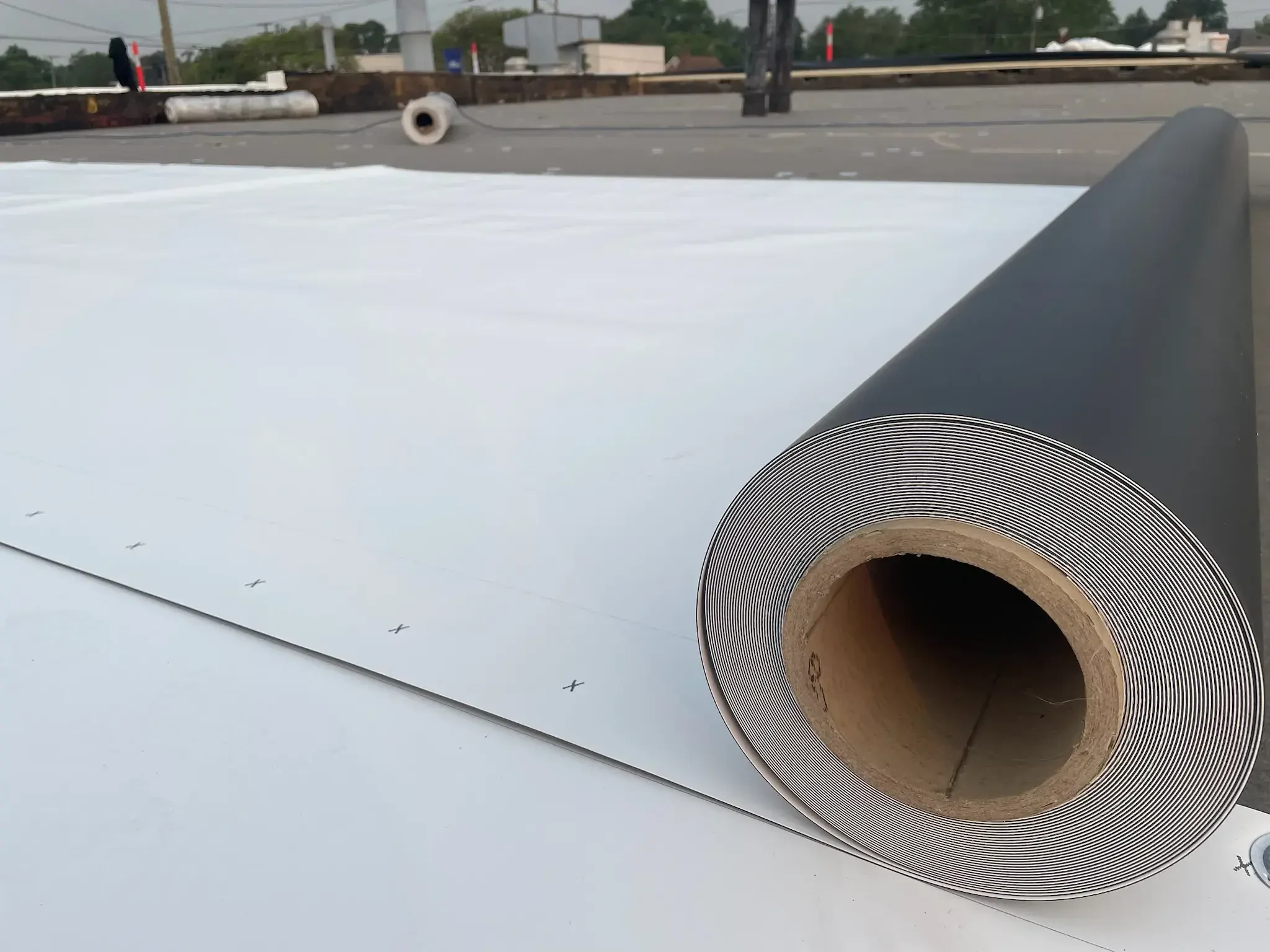
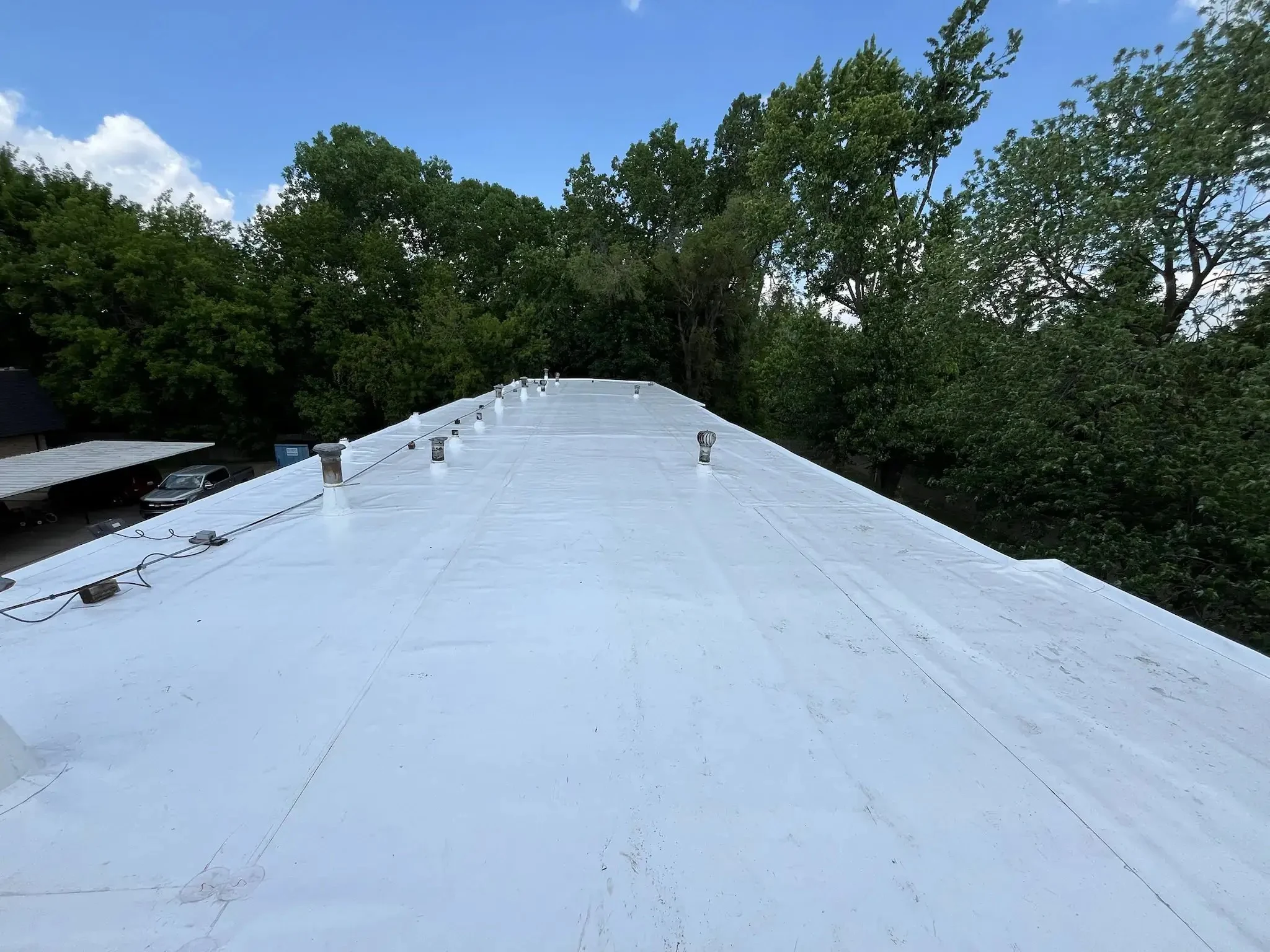
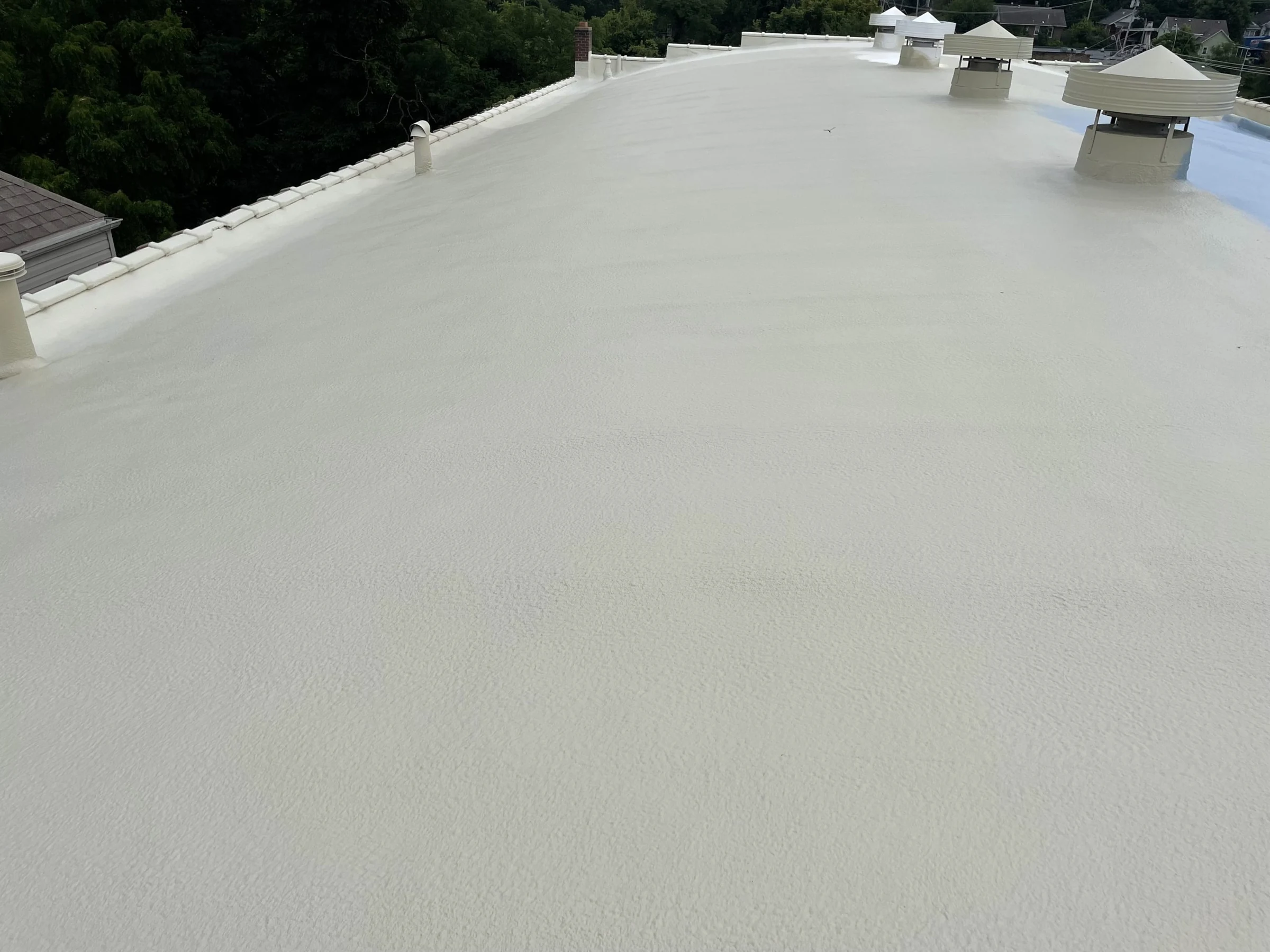
White EPDM is the same synthetic rubber sheet as the black version, laminated or coated with a reflective white surface layer instead of exposed black rubber. The seam chemistry and flexibility characteristics stay close to standard EPDM, but the surface reflects solar load the way a TPO membrane does, which changes the heat profile of the roof without changing the underlying membrane technology.
Supply and product availability for white EPDM has narrowed over the years as TPO became the dominant reflective single-ply on the market, so we are candid with clients that lead times and manufacturer options run narrower than for standard TPO or black EPDM. We only recommend it where the specific building calls for EPDM's flexibility characteristics combined with a reflective surface.
UV and Heat Performance Against a Georgia Summer
A reflective EPDM surface runs closer to white TPO than to black EPDM on surface temperature through a Columbus summer, which reduces the heat load driven into insulation and the conditioned space below. That slower heat cycling also means the membrane and its seams age less aggressively over the life of the roof compared to an exposed black surface.
Fitting the Installation Around an Occupied Building
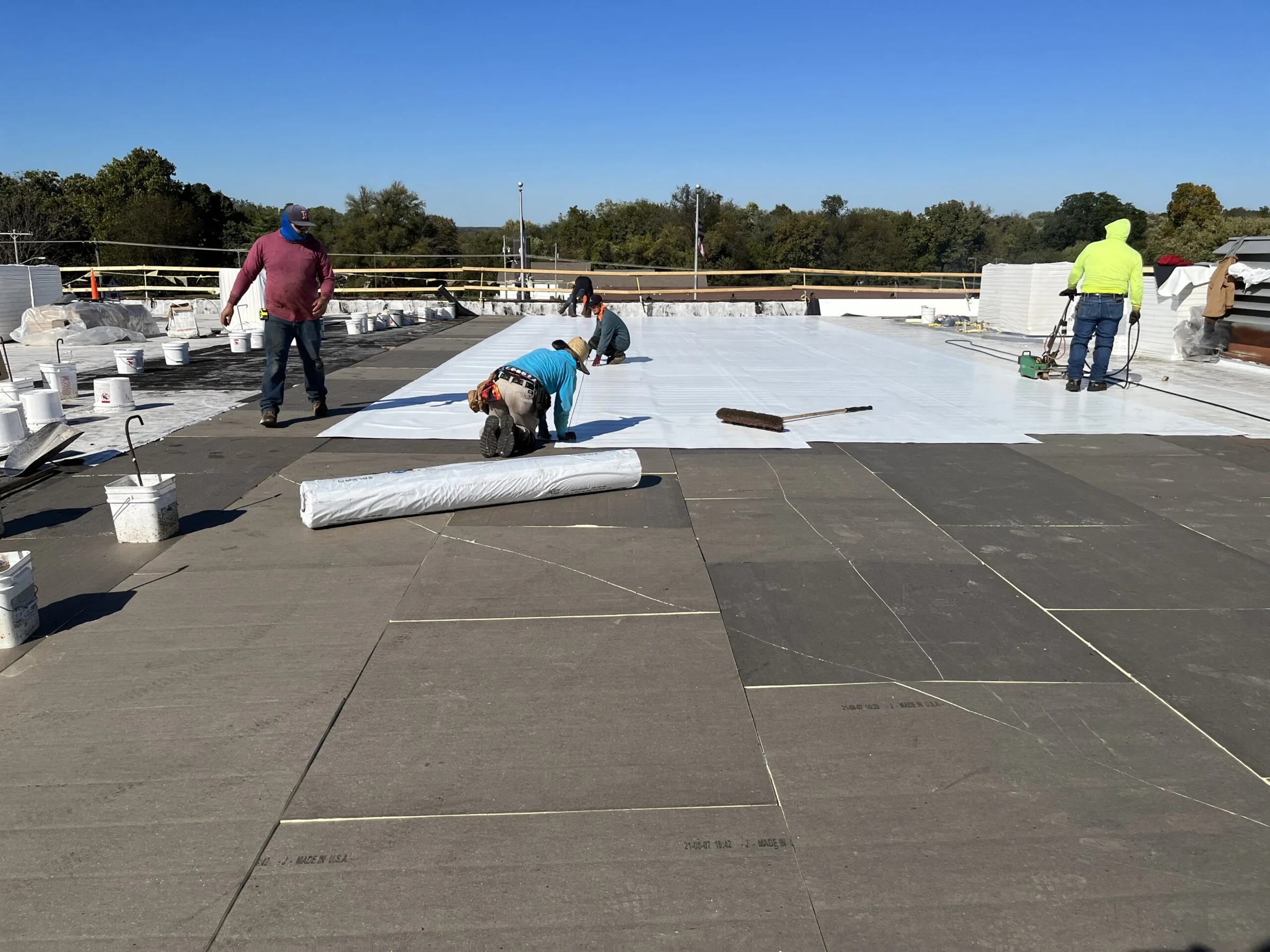
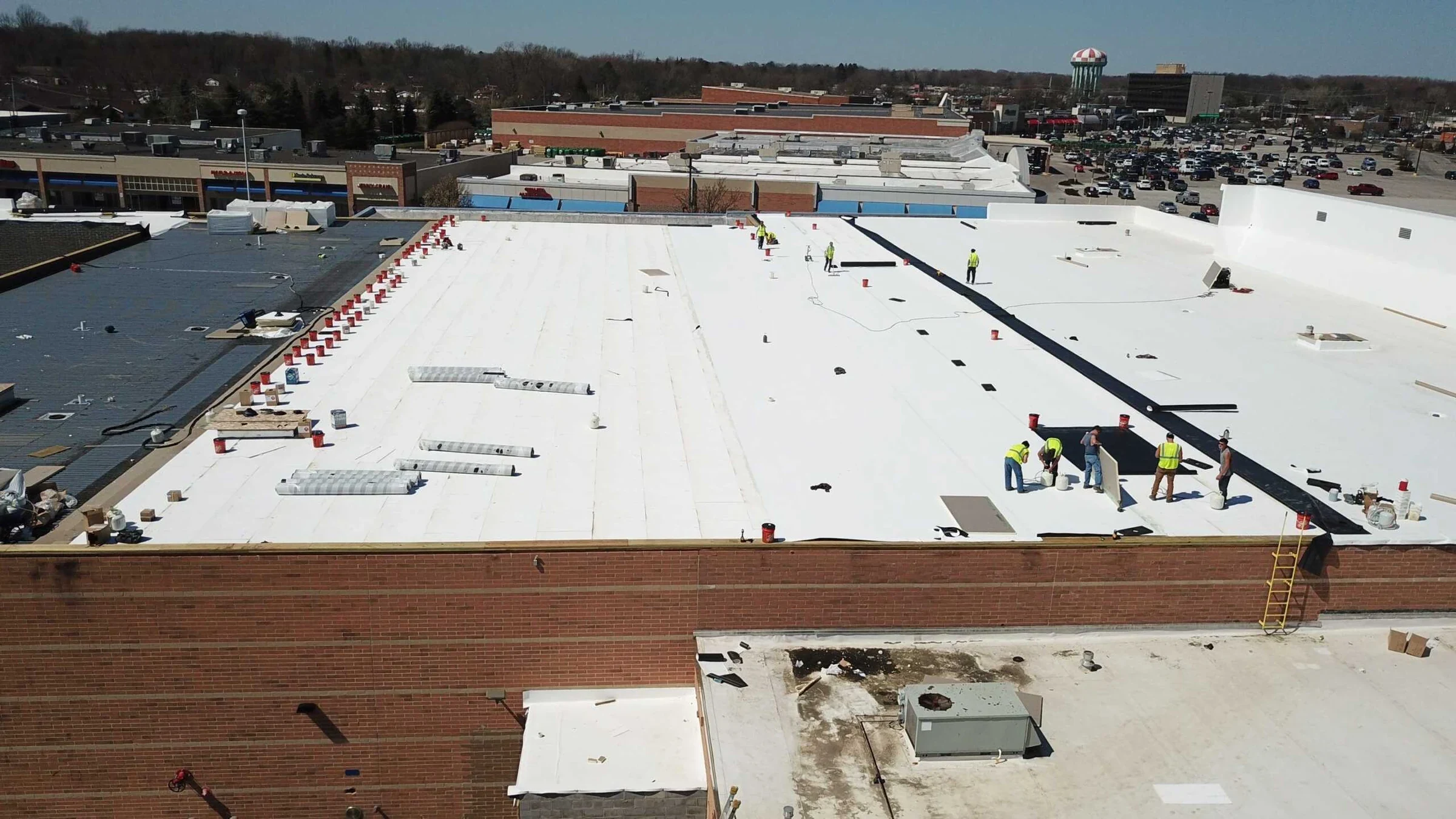
Because white EPDM installs mechanically attached or fully adhered rather than ballasted, the crew is working with fasteners or wet adhesive on the roof plane for the duration of the project, which we sequence carefully on occupied buildings. We phase the field in sections small enough to close out watertight each day, and we route material lifts and staging away from active entrances so tenants or plant operations underneath keep running through the work.
On buildings converting from black EPDM to a reflective membrane, we also plan the tear-off sequence to limit how much deck sits exposed at any one time, since a Columbus afternoon storm can build with little warning during the roofing season.
We track the crew's daily dry-in progress against the local forecast each morning, not a general seasonal outlook, since a single fast-moving cell can turn an open section of deck into a real liability inside an hour during the peak of a Georgia summer.
Wind Uplift and Attachment
White EPDM installs mechanically attached or fully adhered rather than ballasted, since the reflective facing is not compatible with a loose-laid ballast system. We size the fastening pattern or adhesive coverage against the building's wind-uplift requirement, tightening attachment at corners and roof edges where gusts from a passing thunderstorm line concentrate pressure, the same approach we use across every single-ply system we install.
Hail Resistance and Field Seam Care
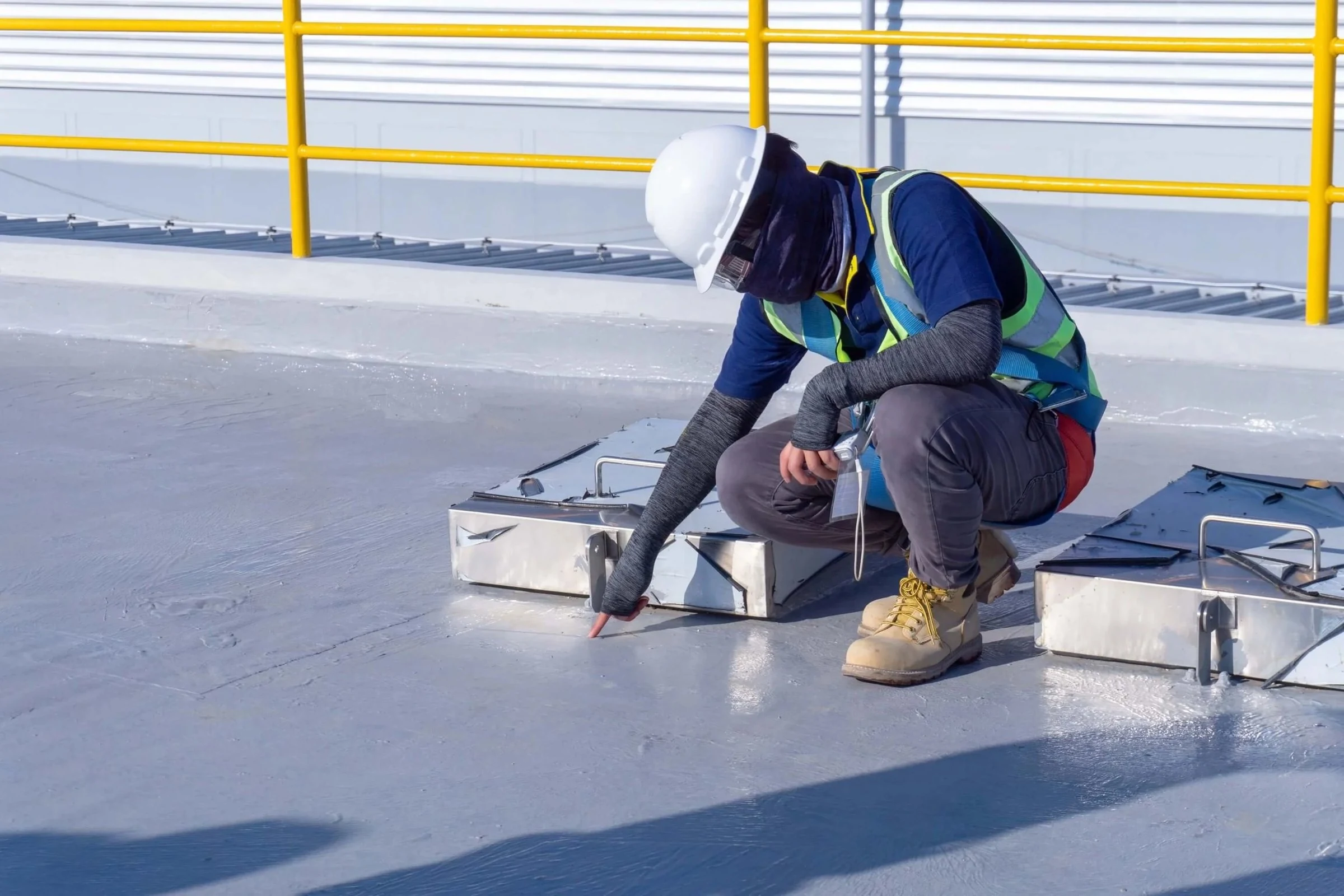
Hail resistance on white EPDM tracks close to black EPDM, since the underlying rubber sheet is what absorbs impact energy. We pair it with a high-density cover board on hail-exposed sites and hold the same seam-probe standard we use on every EPDM job, because a bonded seam that was not fully rolled and primed is the failure point a hailstorm will find first.
Rain Volume From Tropical Remnants
When a Gulf system remnant moves across the Chattahoochee Valley and drops sustained rain, drainage capacity matters more than membrane color. We size drains and scuppers for that volume on every roof regardless of which single-ply system is on it, and we confirm bonded seams and flashing terminations are fully cured before signing off on a project ahead of storm season.
- Buildings wanting EPDM flexibility with a reflective surface
- Reroofs converting from black EPDM without a full deck change
- Owners prioritizing heat performance over ballast weight savings
- Long-hold buildings where surface aging rate matters most
White EPDM Questions We Hear
Is white EPDM better than black EPDM for our building?
If surface heat and slower membrane aging matter more to you than ballast weight or lowest material cost, white EPDM is worth pricing. If those factors are not a priority, standard black EPDM is usually the simpler, more widely available option.
Why don't more buildings use white EPDM instead of TPO?
TPO has become the dominant reflective single-ply because of wider manufacturer availability and heat-welded seams that are faster to inspect. White EPDM still has a role where EPDM's flexibility characteristics specifically fit the building, but it is a narrower market than it used to be.
Does white EPDM cost more than black EPDM?
Generally yes, the reflective facing adds material cost, and availability from manufacturers is narrower than standard black membrane, which can affect pricing and lead time. We quote both so you can weigh the difference against the heat-performance benefit.
Can white EPDM be ballasted like black EPDM?
No, the reflective facing is not designed for loose-laid ballast systems. White EPDM installs mechanically attached or fully adhered, which we size against the building's wind-uplift requirement.
How does white EPDM handle a Georgia hailstorm?
Impact resistance is similar to black EPDM since the underlying rubber sheet is doing the work. We pair it with a high-density cover board on any hail-exposed site to spread impact energy away from the membrane surface.
Ready to review the roof scope?