Commercial Roofing Services
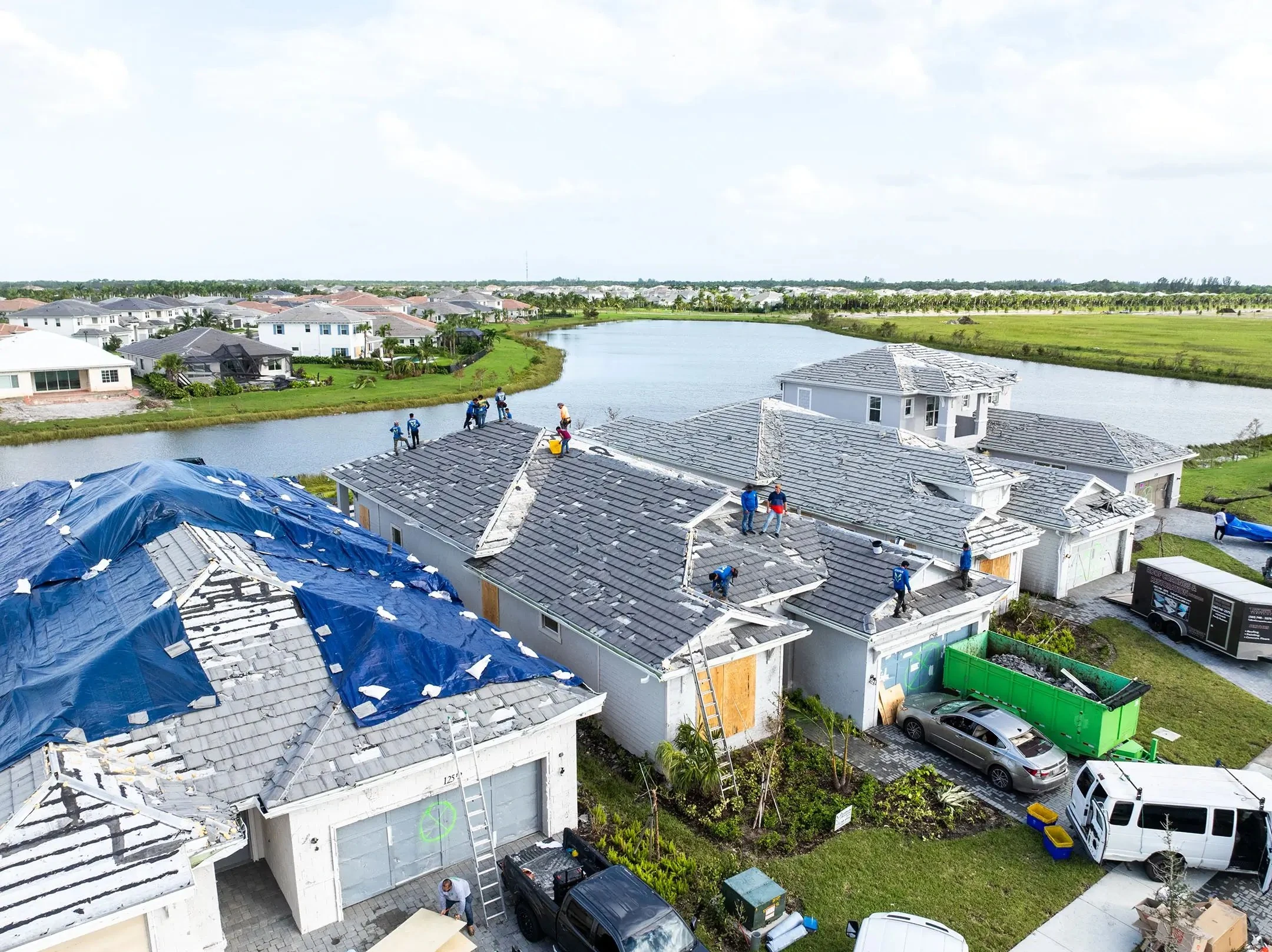
Storm Damage Roof Repair in Columbus, GA
Repairing What Georgia Storm Season Does to Flat Commercial Roofs
Columbus sits in a corridor that gets both severe spring thunderstorm cells and the occasional tropical remnant working up from the Gulf, and both leave a distinct signature on a flat roof. We repair the damage and document it as we go, so the record and the fix happen together.
Reading Hail Damage on a Low-Slope Roof
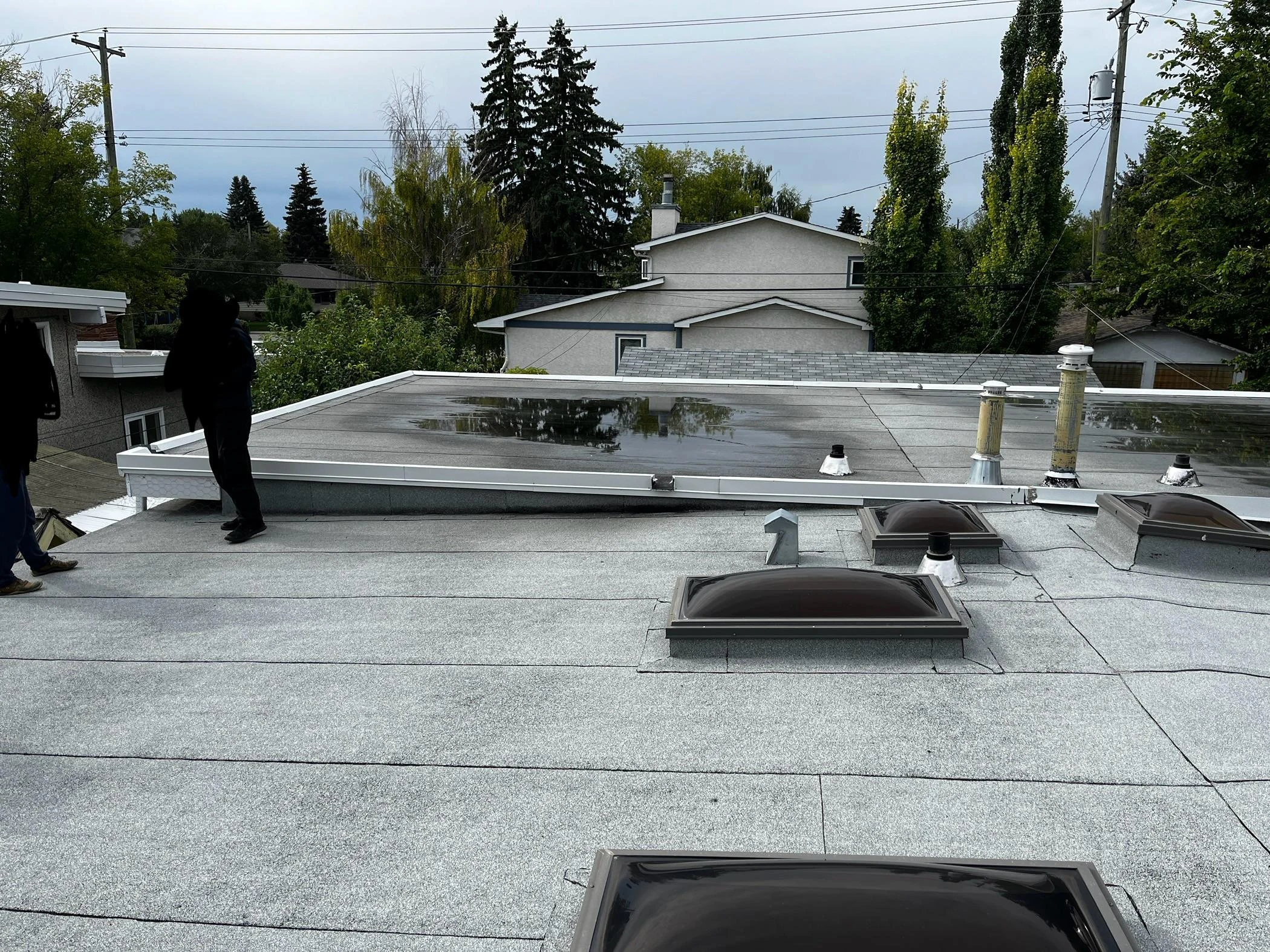
Hail from a strong spring cell shows up as bruising, granule displacement, or membrane punctures depending on stone size and roof age. Older membranes with less flexibility take punctures more easily, while newer TPO and PVC systems more often show bruising that has to be checked with a probe rather than eyeballed.
We map impact patterns across the field rather than checking a few spots, since hail damage severity often varies across a single roof depending on wind direction and building orientation during the storm.
Wind and Tropical Remnant Damage
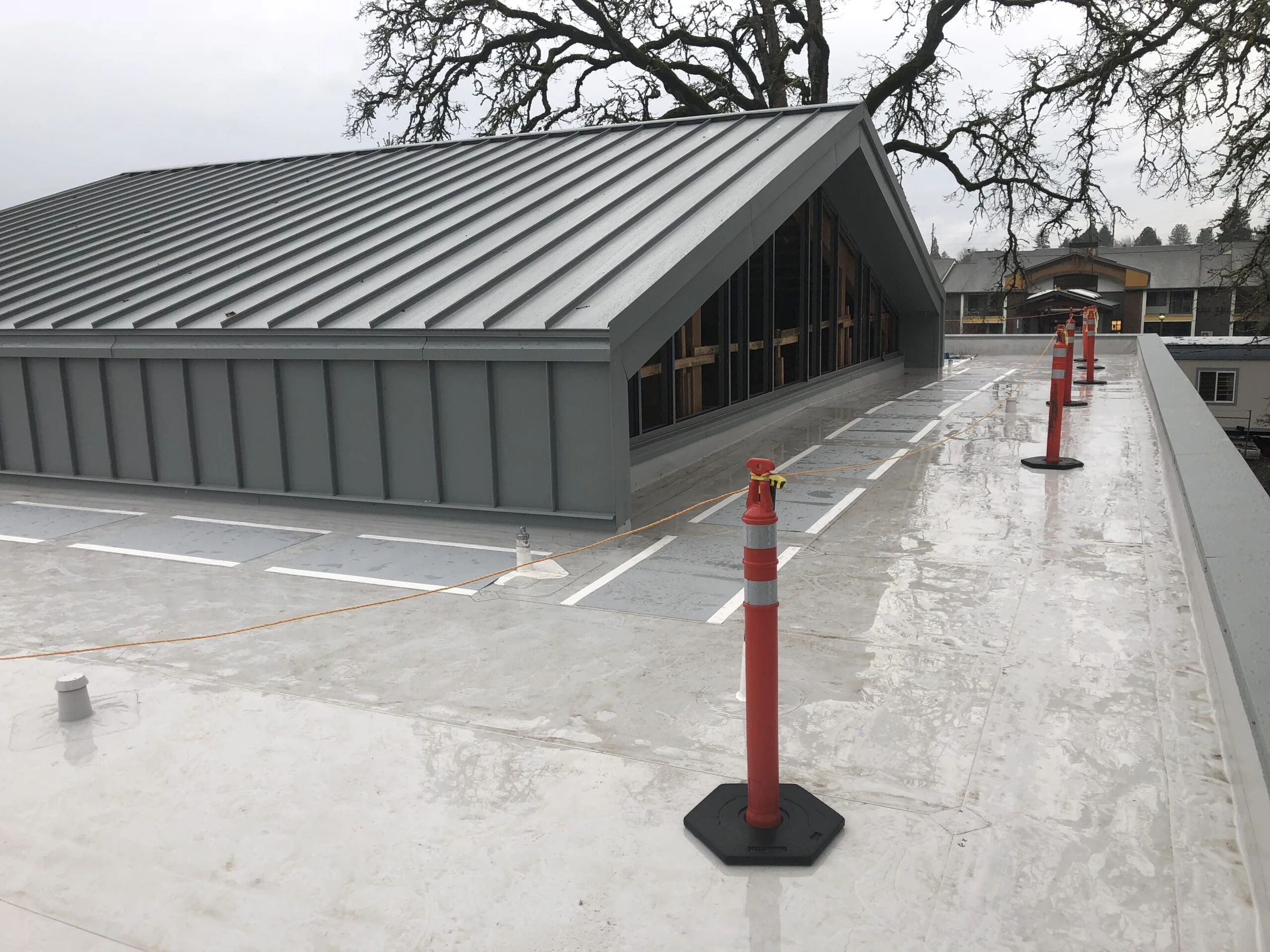
Sustained wind from a tropical system moving through Georgia stresses roof edges and parapets differently than a short thunderstorm burst, often lifting membrane at the perimeter before working toward the field. We check edge metal and parapet flashing first on any wind-event call for exactly this reason.
Rooftop units and satellite mounts are common wind casualties too, and a unit shifted even slightly on its curb can tear the surrounding membrane even if the rest of the roof looks fine at first glance from ground level.
Repair Versus Replace After a Storm Event
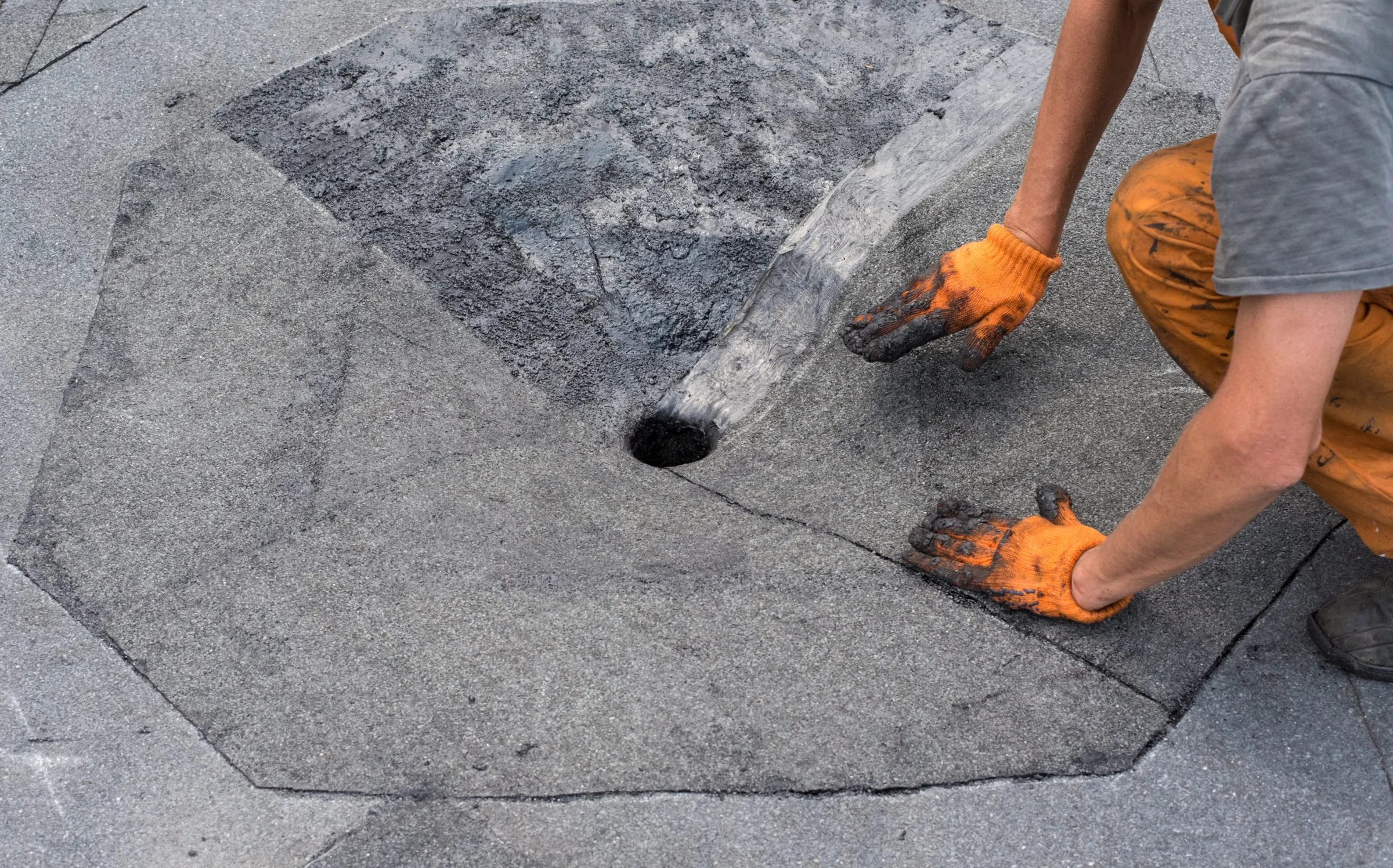
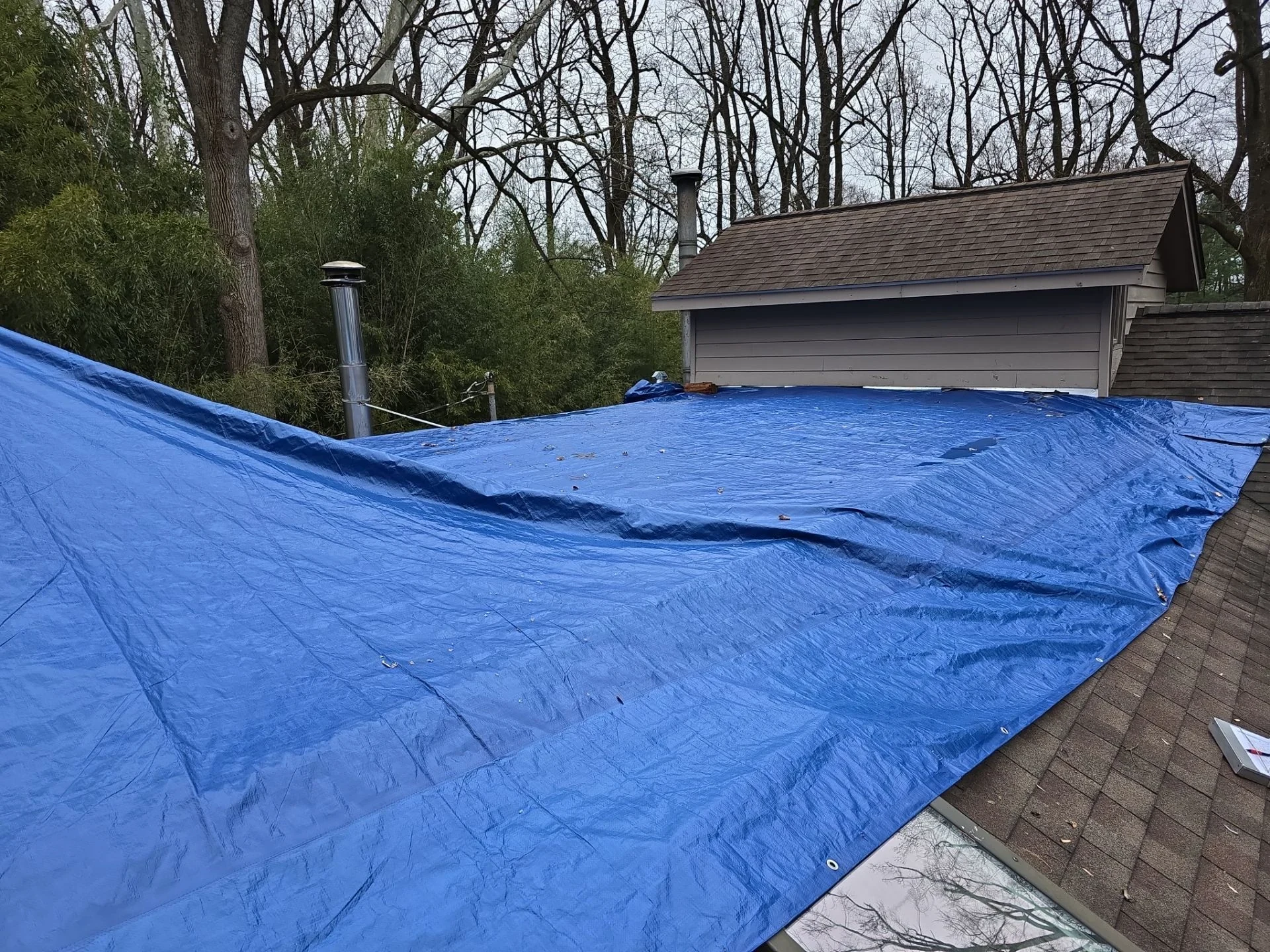
Not every storm-damaged roof needs full replacement. If the membrane is otherwise sound and the damage is localized, targeted repair is the honest recommendation, and we will say so even when a full reroof would be the bigger job for us.
When damage is widespread or the membrane was already near the end of its service life before the storm, we explain why replacement is the better long-term call rather than layering repairs onto a roof that will keep failing.
We put both options in writing with a rough cost range for each, so an owner weighing a repair against a reroof decision has real numbers to bring to a budget conversation rather than a single take-it-or-leave-it quote.
- Impact pattern mapped across the full roof field, not spot-checked
- Membrane probed at hail impact points to check for punctures
- Edge metal and parapet flashing checked first after wind events
- Rooftop units and mounts inspected for curb-flashing tears
- Repair versus replace recommendation based on actual field condition
- Dated photo documentation organized for an insurance claim file
- Nearby wear flagged for monitoring after the repair is closed out
Documentation That Supports an Insurance Claim
Every storm repair call includes photos of impact points, wind-lifted areas, and any interior damage, organized in a way that supports a claim file rather than just internal job notes. We describe what we found factually and let that documentation speak for itself.
We do not make promises about claim outcomes, since that decision sits with your insurer and adjuster, but a clear, dated damage record is the strongest thing you can put in front of them.
Getting Ahead of the Next Storm Season
After a repair is complete, we flag any related wear nearby that was not storm-caused but is worth watching, since one storm often exposes weak points that were already developing on an aging roof and would have needed attention eventually anyway.
Storm Repair on Healthcare and Sensitive-Use Buildings
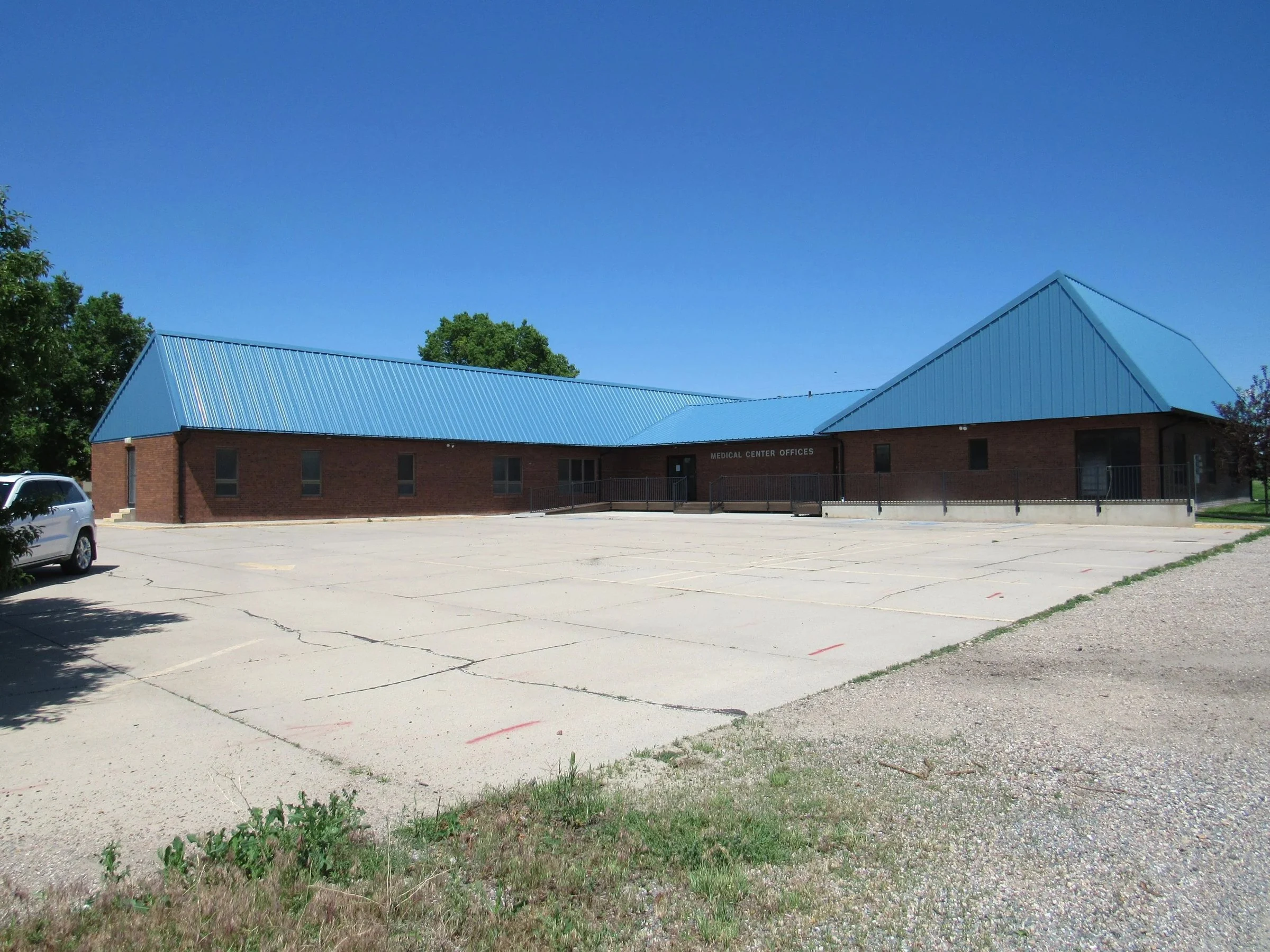
Hospital and medical office campuses in town run rooftop air handling that cannot go down for long, so a storm-damaged curb or torn flashing near an intake gets prioritized differently than the same damage on a vacant warehouse bay. We coordinate directly with facilities engineering on those sites rather than working around a generalist property manager.
Manufacturing plants running continuous production, including suppliers tied to the automotive corridor toward LaGrange and West Point, get the same treatment. A storm-damaged roof over an active production line gets a faster repair sequence than one over a storage annex.
Storm Damage Questions
How do you tell hail damage from normal membrane wear?
Hail leaves a distinct bruising or puncture pattern tied to storm timing, which we confirm with a probe test at suspected impact points. Normal wear tends to be more uniform across the field rather than concentrated in an impact pattern.
Will you help document damage for our insurance adjuster?
Yes. We provide dated photos and a written description of what we found, organized to support your claim file, though the claim decision itself is between you and your insurer.
Does every hail strike require a full roof replacement?
No. If the membrane is otherwise sound and damage is localized, targeted repair is often the right call, and we will tell you that directly rather than recommending a bigger job than the roof needs.
How soon after a storm should we get the roof checked?
As soon as it is safe to do so. Wind-lifted seams or hail punctures can let water in during the next rain even if there is no visible leak yet, so an early check limits how much interior damage develops.
Can storm damage repair work happen while we stay open?
In most cases yes. We schedule around your business hours and keep repair zones contained to the affected area, so the rest of the building continues operating normally, and we coordinate ladder or lift placement to avoid customer or employee entrances.
Ready to review the roof scope?