Industries We Serve
Retail Chain Roofing in Columbus, GA
Roof Work That Never Shows Up on a Customer's Visit
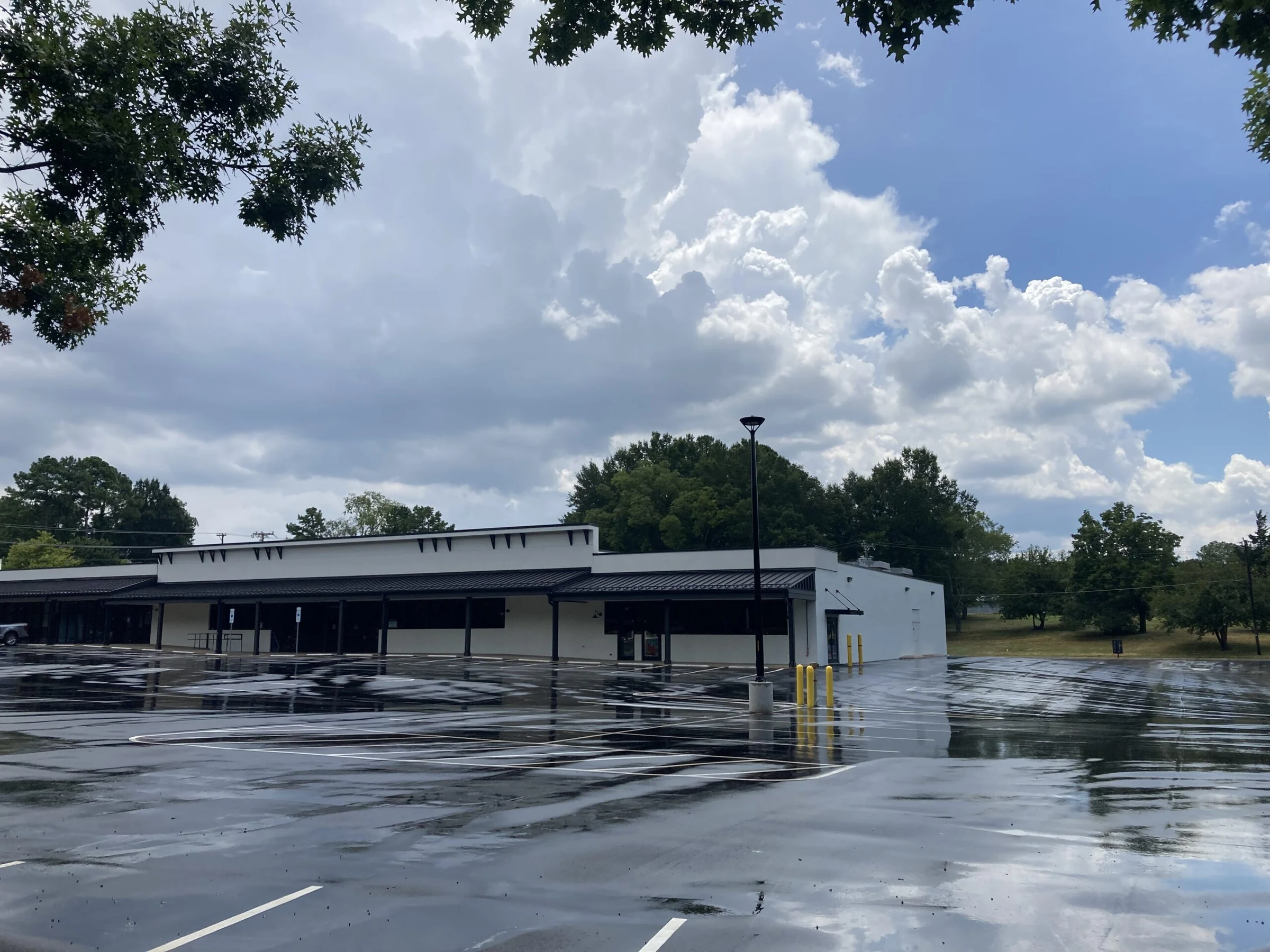
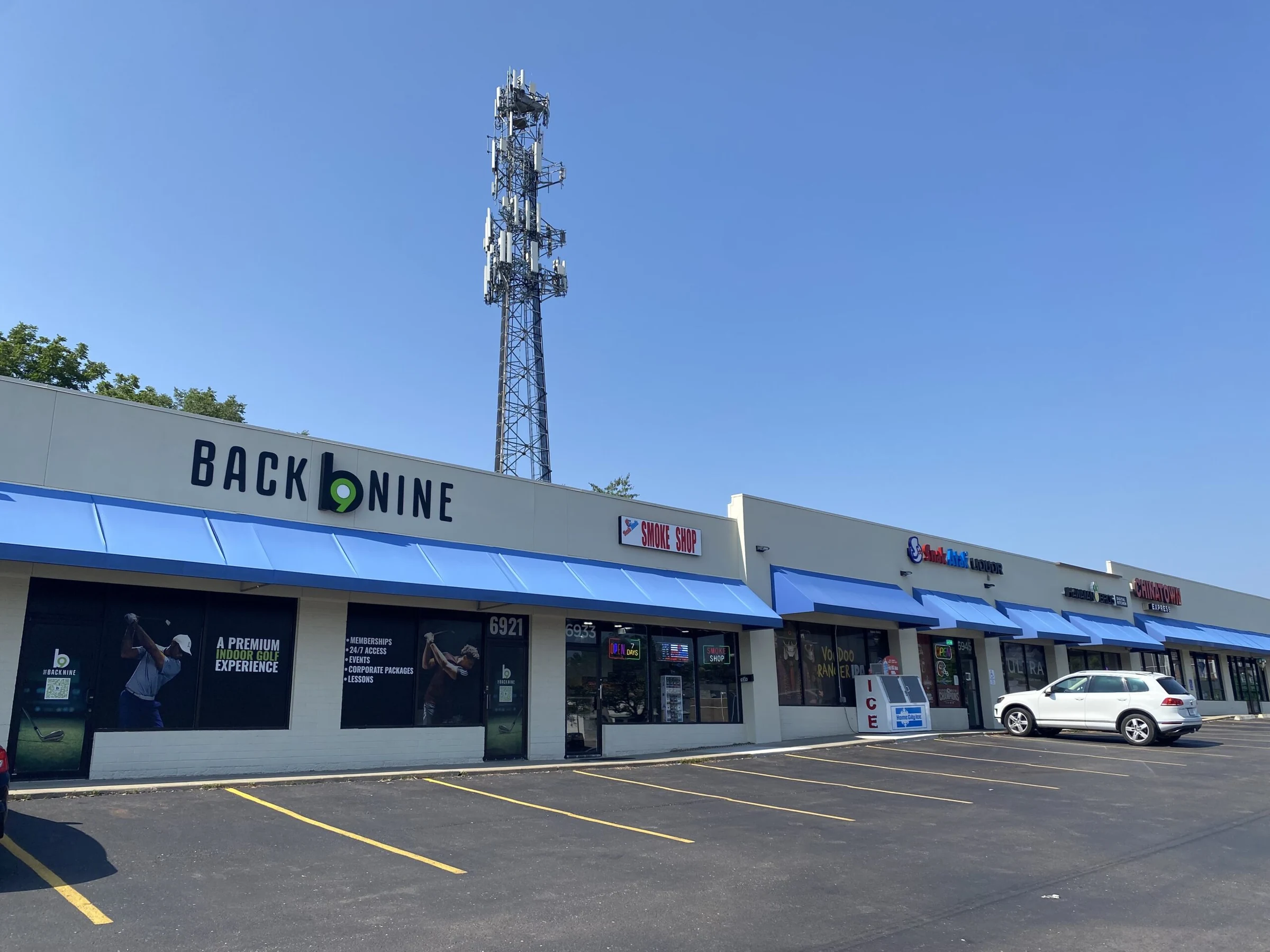
A retail location around Peachtree Mall or the Manchester Expressway corridor loses money every hour it's closed or looks like a construction site. We schedule around store hours, keep entrances and parking clear, and treat a quiet storefront as part of the job, not an afterthought squeezed in around the actual roof work. A regional manager judging us on this shouldn't have to hear about the project from a customer complaint first.
Multi-Location Coordination Across the Columbus Market
Retail chain operators with more than one location around Columbus, from the Airport Thruway corridor to Uptown storefronts and the retail growth along US-280 near Smiths Station, need a single point of contact who can track roof condition across every site instead of treating each location as a separate relationship with its own history. We keep condition history by store number so a regional manager can compare locations at a glance, without hunting through separate files from separate visits over separate years.
National and regional chains often have brand standards around visible construction activity, staging, and signage that vary by concept. We work within those standards rather than defaulting to a generic job site setup that might not match what a brand's operations manual expects.
When a chain operator adds a new location in the Columbus market, we can fold that store into the same inspection cycle and reporting format already used for the rest of the portfolio, so there's no separate onboarding process. That consistency is what lets a facilities director at the corporate level trust the numbers coming out of the Columbus market without double-checking them against a different vendor's format.
Working Around Store Hours and Customer Traffic
Big-box and strip retail locations near Fort Moore see steady traffic tied to base personnel and the surrounding retail-and-hotel belt, and closing early or blocking parking has a direct revenue cost that a chain's regional finance team notices immediately. We stage material drops and dumpsters away from customer entrances and schedule the loudest work for hours before opening or after close where the scope allows it.
Drive-through and curbside pickup lanes common on quick-service and grocery-anchored retail need to stay open throughout a project. We plan crane and lift positioning around those lanes from the start rather than discovering a conflict once equipment is already on site and the lane is blocked, which is a fix nobody wants to make mid-project.
Georgia Heat and Retail Roof Wear Patterns
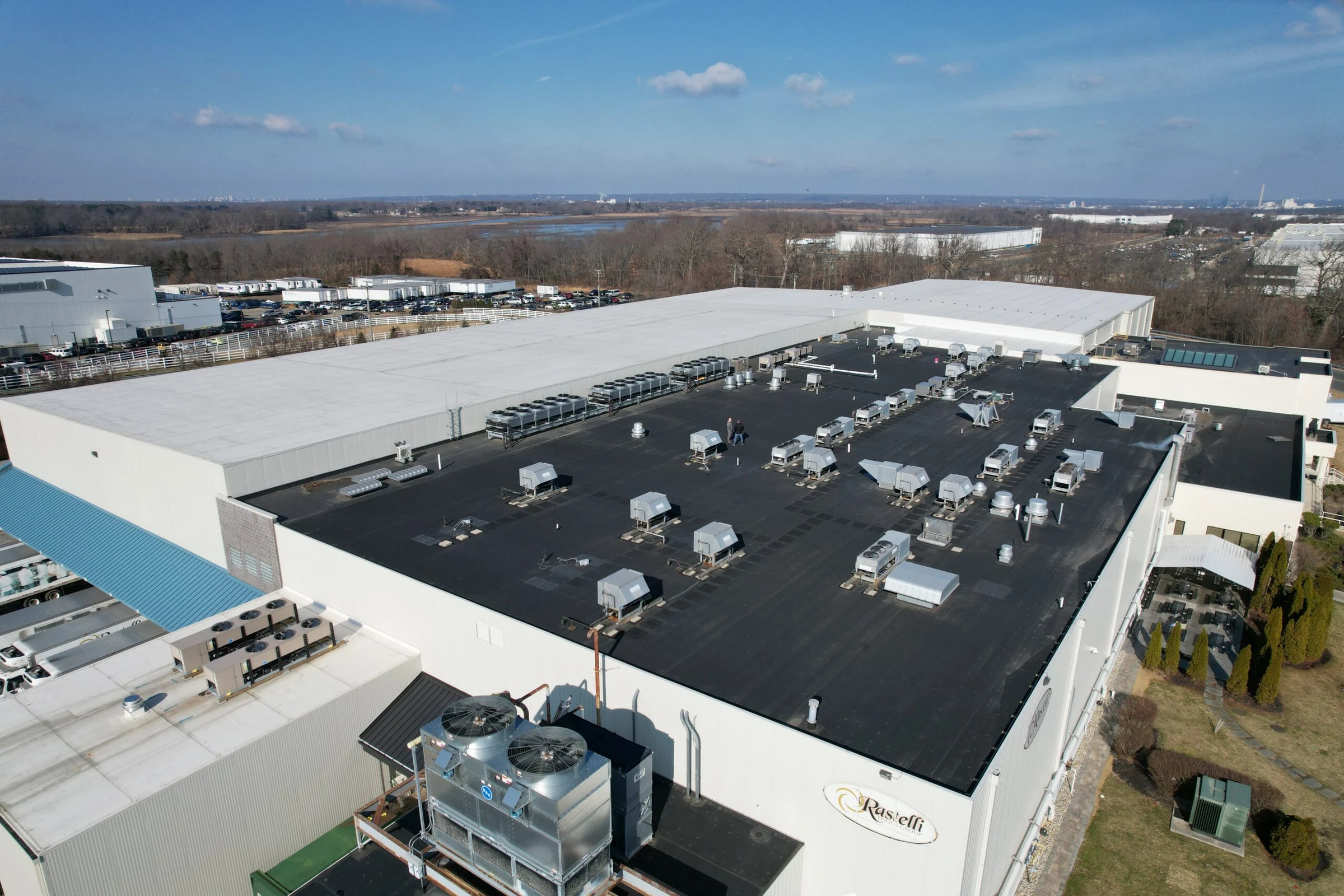
Retail roofs in this market carry heavy rooftop HVAC loads to keep sales floors comfortable through Georgia summers, and that equipment density accelerates membrane wear around curbs and walk pads faster than on a lower-traffic building. We check those zones specifically during inspections rather than relying on a general roof age estimate that ignores where the actual wear concentrates on a heavily equipped retail roof. Rooftop units added over the years for expanded refrigeration or additional seating also add new curbs that don't always show up on the original roof plan, so we verify against what's actually up there rather than the drawing on file.
Emergency Response for Occupied Storefronts
A leak over merchandise, checkout equipment, or a stockroom needs a fast response regardless of what time it happens. We prioritize occupied retail emergency calls because the cost of a closed register or damaged inventory adds up quickly, and a delayed response makes the eventual repair more expensive too, not less. We keep enough material on hand for common membrane types so a temporary repair doesn't wait on a special order while a store sits with a bucket in the aisle.
What Retail Operators Get From Us
- Condition history tracked by store number across a multi-site portfolio
- Scheduling around store hours and peak customer traffic windows
- Staging kept clear of entrances, drive-throughs, and customer parking
- Work performed within brand-specific site presentation standards
- Priority response for leaks over merchandise or checkout areas
- Inspection focus on HVAC curb and walk pad wear specific to retail roofs
Questions Retail Operators Ask
Can you work without closing the store?
In nearly every case, yes. We schedule the disruptive phases outside business hours and keep entrances and parking clear during the work, checking the plan with store management first and adjusting if a scheduled event or promotion changes the picture. If a phase needs a temporary closure of a single entrance, we'll flag that specifically rather than assume it's obviously fine.
Do you track roof condition across all our locations?
Yes. We keep condition history organized by store number so a regional or facilities manager can compare locations and plan budget across the portfolio in one place, and flag which stores are approaching a decision point for next year's budget.
Can you respect our brand's site presentation standards?
Yes, tell us the standard and we'll stage material, signage, and equipment to match it rather than defaulting to a generic setup that doesn't fit your brand's operations manual.
How fast can you respond to a leak over merchandise?
We prioritize occupied retail emergencies specifically because delay increases both inventory damage and the eventual repair cost, so we move on those calls quickly.
Can you keep drive-through lanes open during a roof project?
Yes. We plan equipment and staging positions around active drive-through and pickup lanes before the project starts, not after a conflict shows up and a lane has to close, since that closure is the kind of thing customers remember.
Ready to review the roof scope?