Commercial Roofing Services
EPDM Commercial Roofing in Columbus, GA
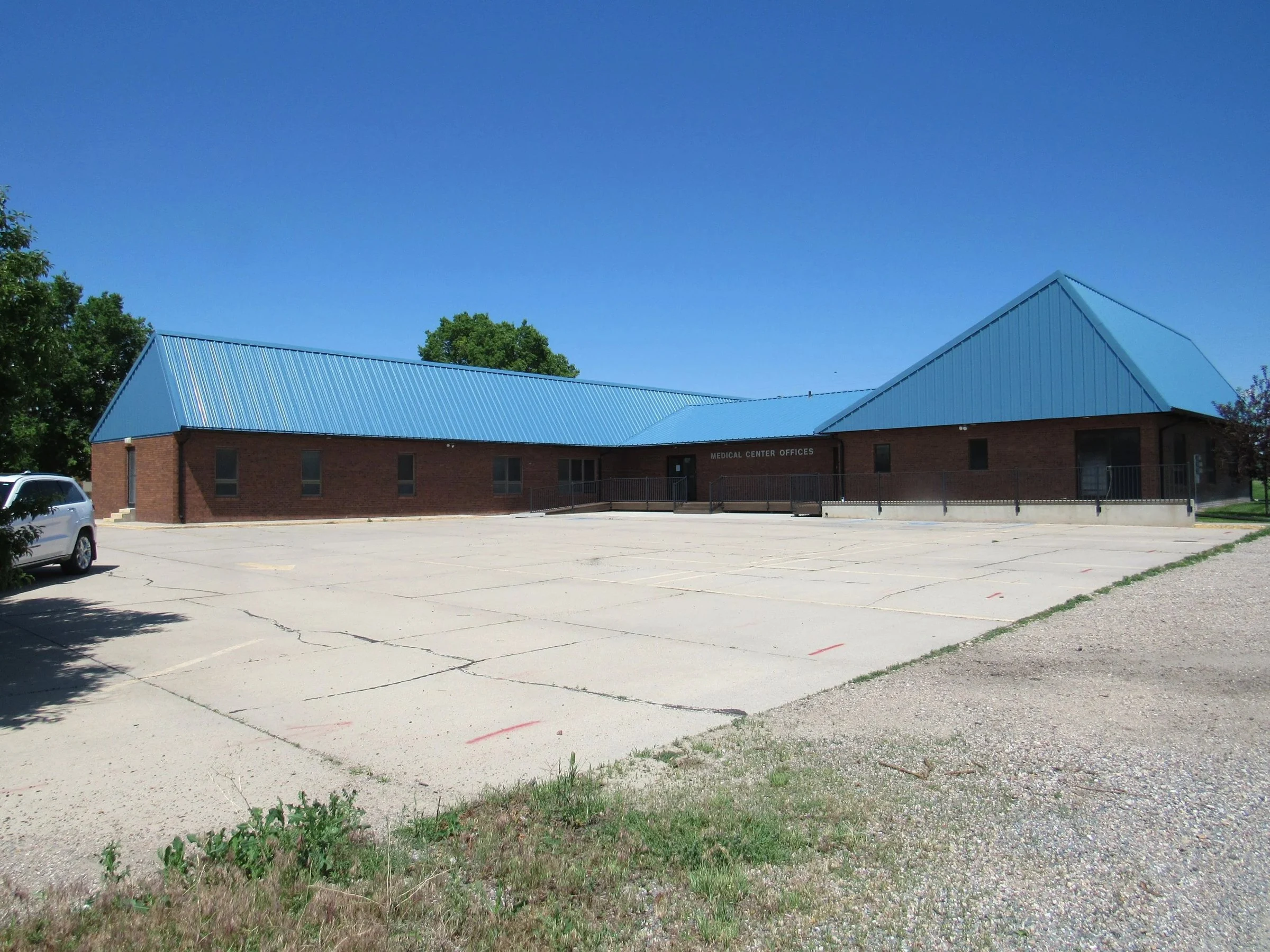
EPDM for Older Institutional Roofs Around Fort Moore
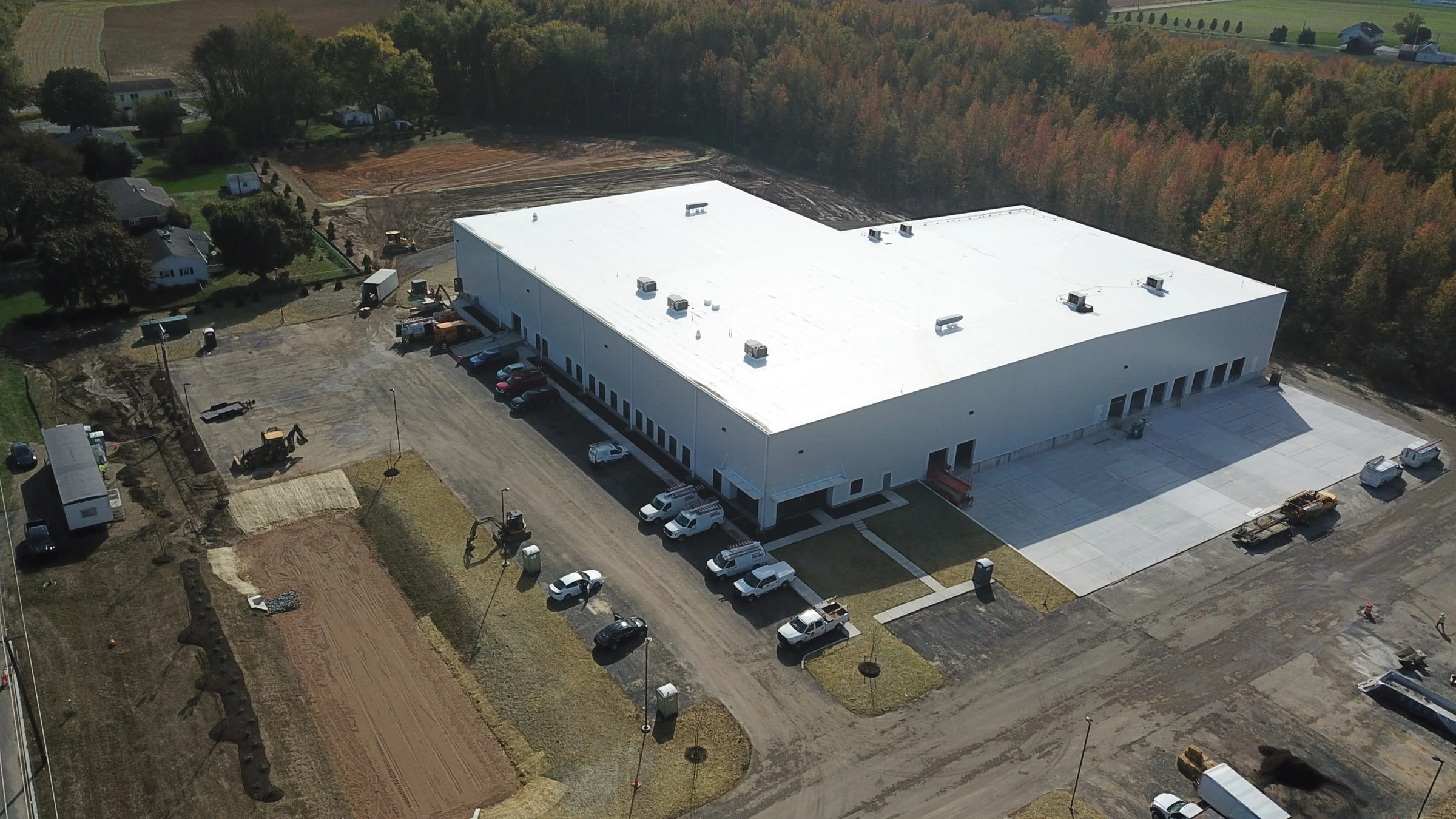
A lot of the government-adjacent and older commercial buildings around Columbus still carry EPDM, either ballasted under stone or fully adhered black membrane, and much of it has been on the roof longer than a typical single-ply warranty period. We work on these roofs as often for targeted repair and seam maintenance as we do for full replacement.
Why EPDM Has Stuck Around on Older Buildings
EPDM's rubber composition tolerates the thermal cycling this climate produces better than some rigid membranes, and it holds up to hail impact without the surface bruising that softer thermoplastics can show. On buildings tied to procurement cycles near Fort Moore, where a roof spec written a decade ago doesn't get revisited until something fails, EPDM's long service life made it the default choice for years, and a lot of that membrane is still functioning today with proper maintenance.
The tradeoff is heat absorption. Black EPDM runs hotter than a reflective TPO or PVC field on a July afternoon, which on an older building with underinsulated decking can add real cooling load. We flag that tradeoff on inspections and talk through whether a reflective coating makes sense before recommending a full tear-off just to switch membrane types.
A fair amount of the EPDM in this market went down on buildings built or expanded during earlier growth periods around the base, and the roofs from that era are now well past their original warranty window. That doesn't mean they're due for replacement on a fixed timeline, but it does mean we look closely at seam adhesive age and membrane flexibility rather than assuming a roof that's held up this long will keep doing so without attention.
Ballasted Systems and Wind Uplift
Stone-ballasted EPDM depends on the ballast staying in place to resist wind uplift, and this region's tornado-prone storm pattern makes that a real consideration, not a theoretical one. We check ballast depth and distribution during inspections, particularly at roof edges and corners where wind uplift pressure concentrates and where ballast tends to migrate over years of storms.
Fully adhered EPDM avoids the ballast question entirely but depends on adhesive bond quality, which we test by probing lap seams and checking for membrane billowing, a sign the adhesive has failed underneath even though the surface looks intact.
On buildings that have gone through a re-ballasting pass before, we also check whether the stone that got added back matches the original specification in size and weight. Undersized replacement stone doesn't provide the same uplift resistance, and it's a detail that's easy to miss unless someone is specifically checking for it.
Repairing Legacy Seams Without a Full Tear-Off
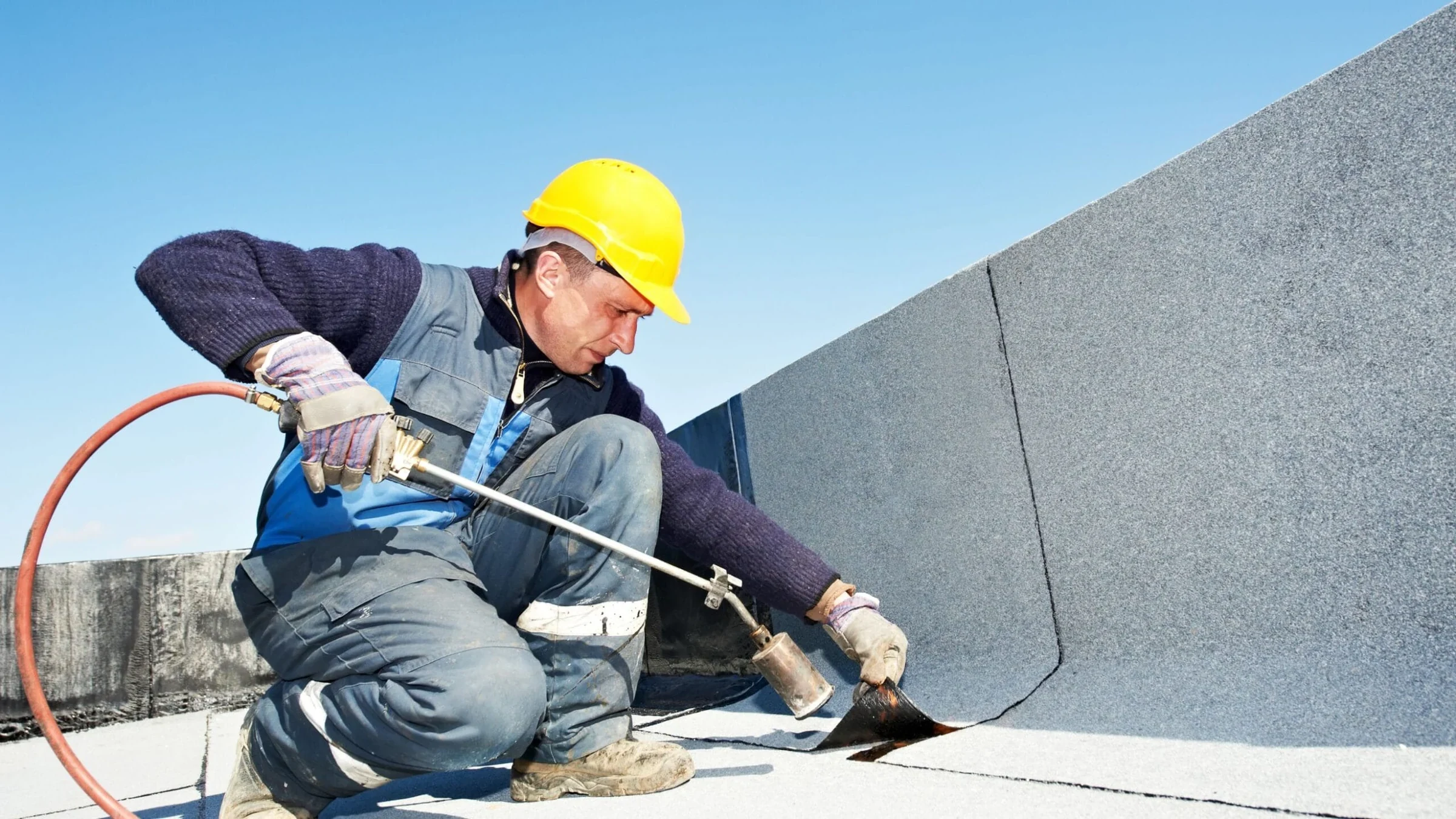
Older EPDM roofs often show seam failure before field failure, since seam tape and adhesive degrade faster than the membrane sheet itself. Our approach:
- Probe every accessible seam rather than relying on visibly failed ones alone
- Re-tape or cover-strip seams that test soft or lift under light pressure
- Check pipe boots and curb flashing separately from field seams
- Document deck moisture readings before recommending anything beyond seam repair
- Flag ballast loss or displacement for correction during the same visit
Most legacy EPDM roofs we inspect can get several more years of service from a targeted seam repair and re-ballast pass rather than a full replacement, provided the deck underneath is still dry.
Working Within Base-Adjacent Access Requirements
Buildings tied to Fort Moore's contractor and support network often carry access and scheduling requirements that a standard commercial job doesn't: badge clearance, escort requirements, or restricted work windows around training schedules. We plan crew hours and material delivery around those constraints from the first site visit rather than discovering them once work is underway. That planning conversation also covers where ballast stone and roll goods get staged, since laydown space on some of these buildings is more limited than a typical commercial lot allows.
When Replacement Makes More Sense Than Repair
Repair stops making sense once deck moisture shows up across a large percentage of the field, or once seam failures are so widespread that re-taping becomes a patchwork rather than a fix. At that point we talk through recover options first, since EPDM can often accept a new membrane layer over the existing field if the deck tests dry, before recommending a full tear-off.
Common Questions About EPDM Roofs
Is black EPDM a problem for cooling costs in this climate?
It runs hotter than reflective membranes, and on an underinsulated building that can add cooling load. A white acrylic or silicone coating over existing EPDM can offset that without a full membrane replacement.
How do you know if ballast has shifted enough to matter?
We check ballast depth at edges, corners, and around penetrations, where wind uplift pressure is highest and where migration shows up first after storm events.
Can you repair an EPDM roof instead of replacing it?
Often, yes. If the deck is dry and failures are concentrated at seams rather than across the field, targeted seam repair and re-ballasting can extend service life significantly.
Do you work within Fort Moore-area access requirements?
We coordinate badge access, escort requirements, and restricted work windows for installation-adjacent buildings as part of standard project planning, not as an afterthought.
How often should an older EPDM roof get inspected?
Twice a year is standard for a roof past its original warranty period, with an additional inspection after any hail or high-wind event significant enough to disturb ballast or membrane.
Ready to review the roof scope?