Commercial Roofing Services
Roof Drain and Scupper Service in Columbus, GA
Keeping Rainwater Moving Off the Roof, Not Sitting on It
Standing water is the single fastest way to shorten a flat roof's life, and most ponding problems trace back to a clogged or undersized drain rather than a structural slope issue. We clear, repair, and reassess drainage before it becomes a bigger job on your capital budget.
Why Ponding Is a Bigger Problem in Columbus Than It Looks
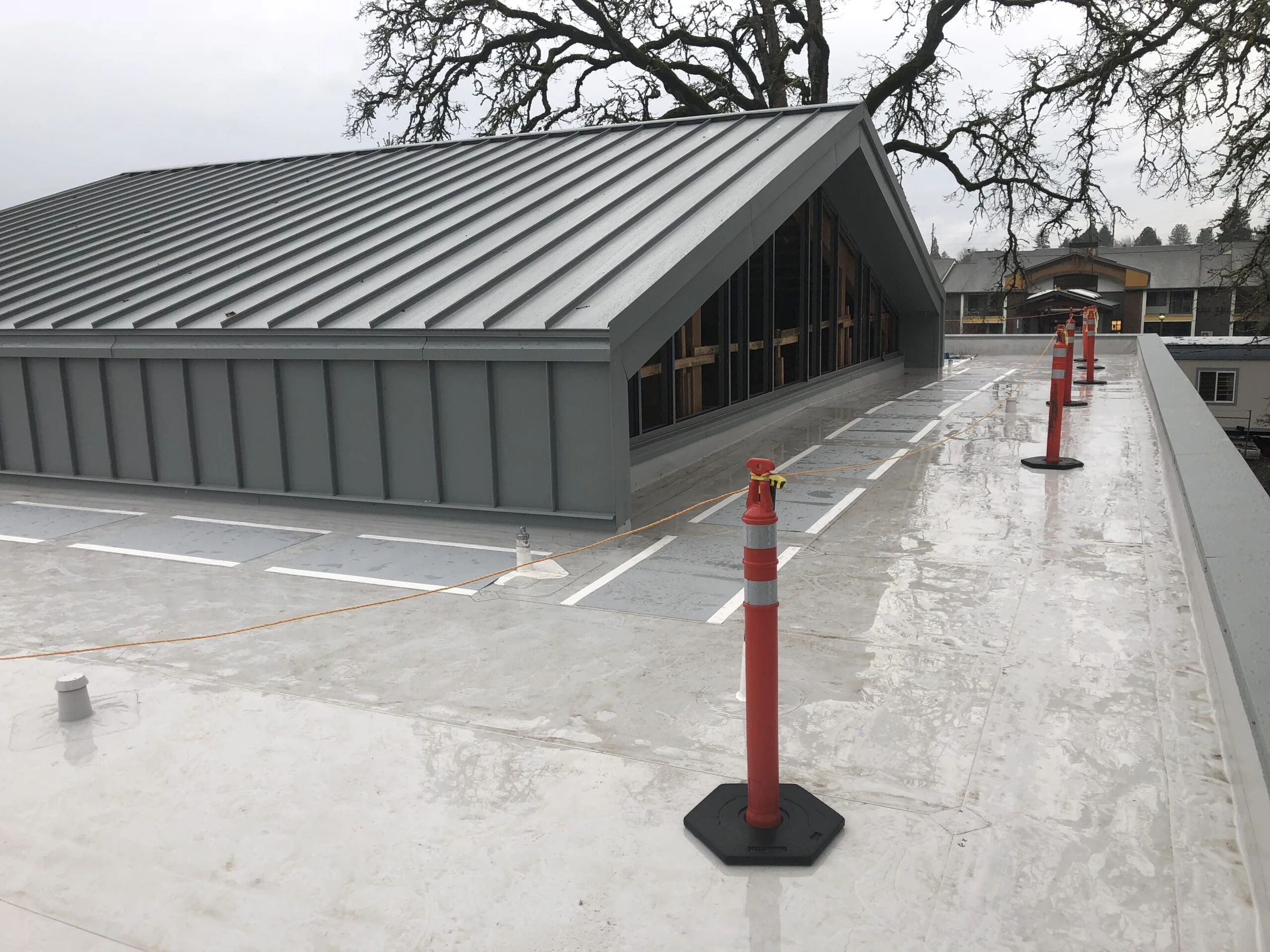
Summer thunderstorm cells here can drop a significant amount of rain in a short window, and a drain running slow or partially clogged during that kind of downpour leaves standing water on the membrane for hours or days afterward. UV breakdown and membrane degradation both accelerate under standing water compared to a roof that sheds properly.
Buildings with internal drains, common on the larger distribution and manufacturing roofs off Airport Thruway and Psalmond Road, are especially dependent on those drains staying clear, since there is often no gravity-fed overflow path to catch a clog.
Clearing Debris Before It Becomes a Clog
Leaves, roofing granules, and construction debris from nearby projects are the most common culprits we find inside drain bowls and scupper openings. We clear strainers and check the drain body itself, beyond the visible opening, since debris can lodge further down the line out of sight.
On roofs near tree cover or ongoing construction activity, we recommend more frequent drain checks than the standard maintenance schedule, since debris accumulates faster than a twice-a-year visit can reasonably keep up with over a full year.
Repairing Failed Drain and Scupper Flashing
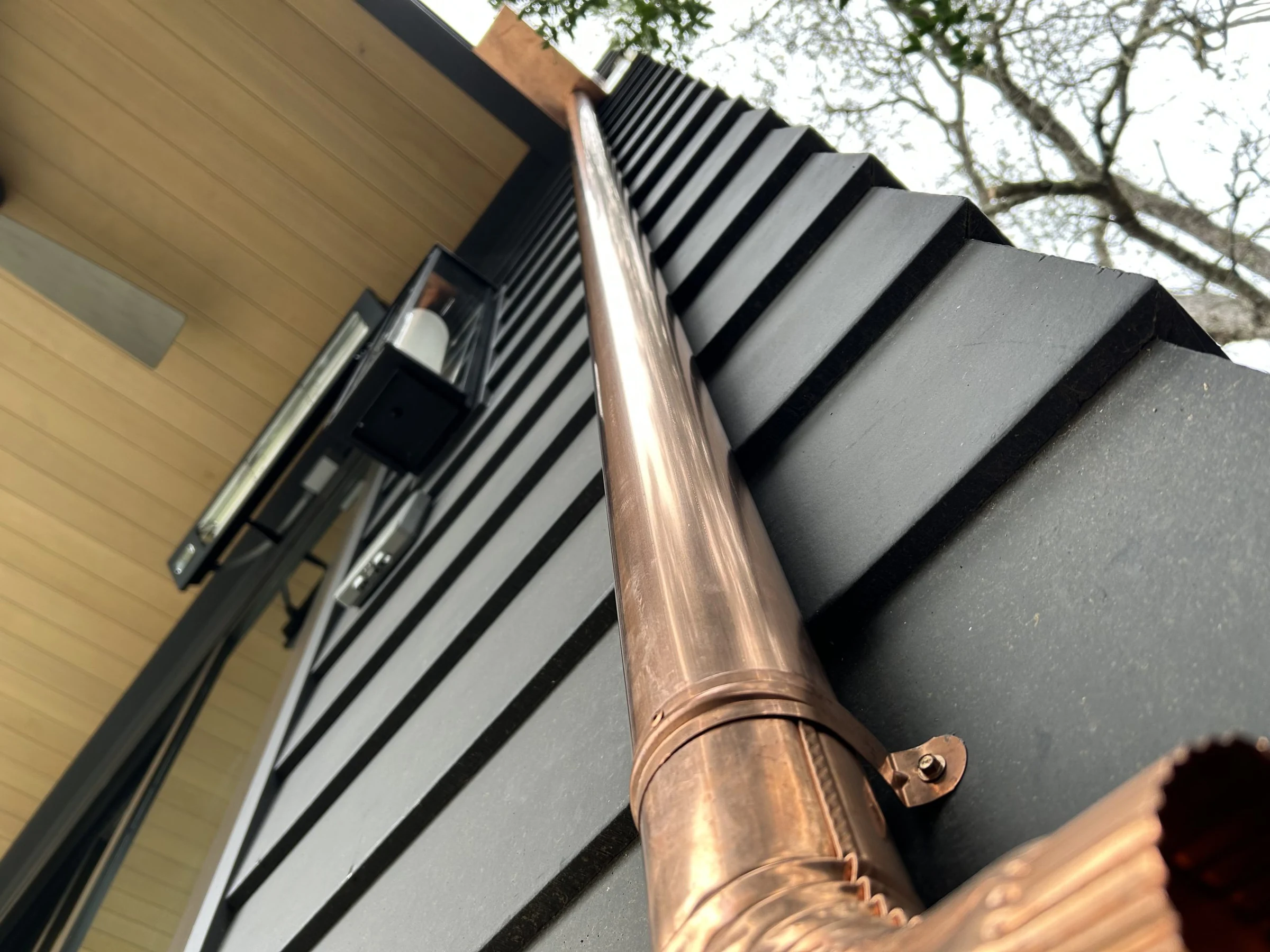
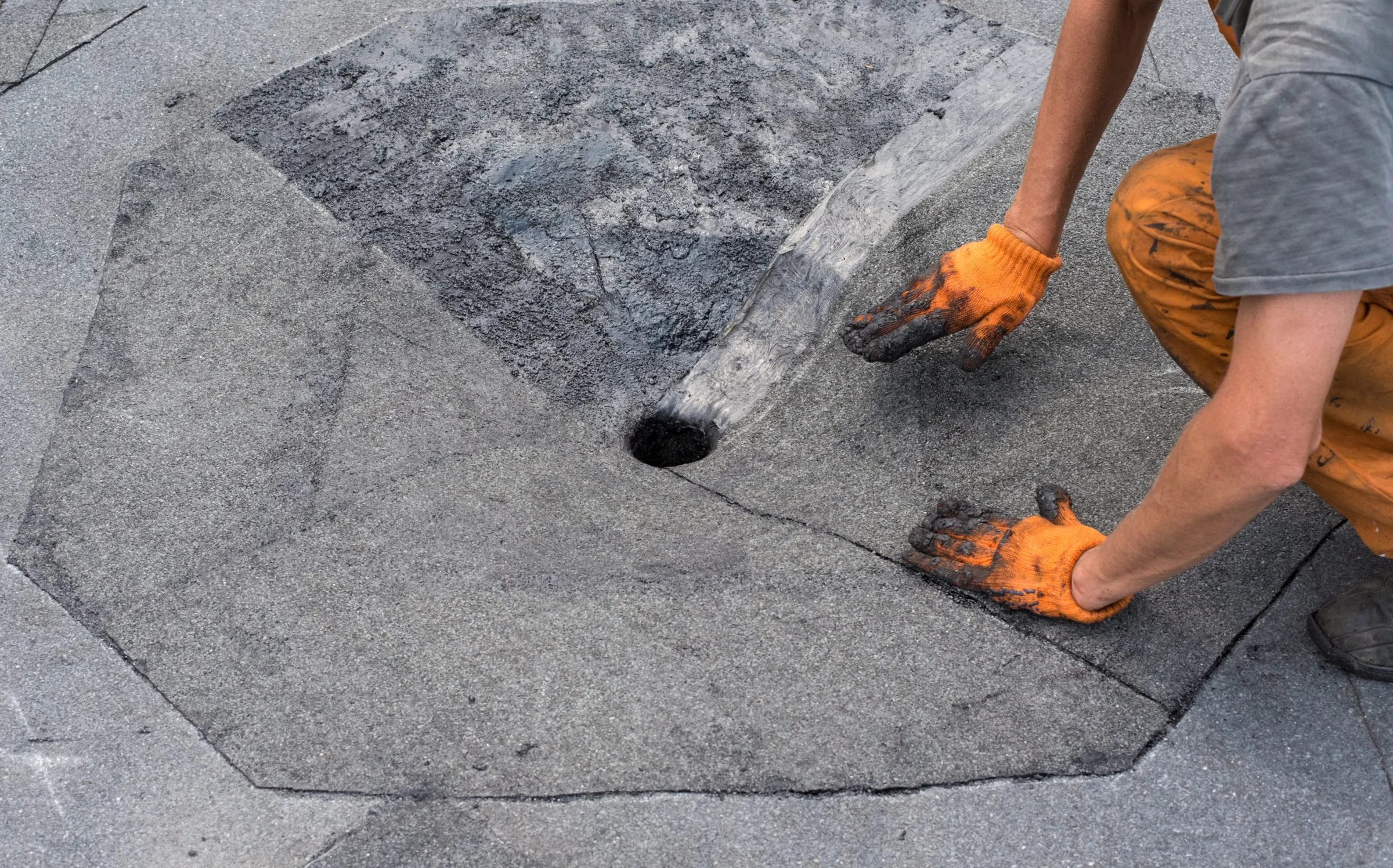
Drain bowls and scupper openings are common leak points even when the drain itself is clear, because the flashing seal around the fitting degrades over time from constant water contact. We reseal or replace that flashing as part of any drain service call where it shows wear.
Scuppers on parapet walls also get checked for proper slope and clearance, since a scupper installed slightly high relative to the roof surface will always leave a puddle behind it no matter how clear the opening is.
Overflow scuppers, the secondary opening set slightly higher than the primary drain, get the same inspection even though they rarely see water, because a blocked overflow only becomes a problem the one time the primary system actually fails during a heavy storm.
- Drain strainers and bowls cleared of leaves, granules, and debris
- Drain body checked below the visible opening for lodged debris
- Flashing around drain and scupper fittings resealed where worn
- Scupper slope and clearance checked to prevent standing puddles
- Ponding depth and duration tracked when slope issues are suspected
- Tapered insulation or slope correction discussed for chronic low spots
- Drain condition checked as a standing item on every maintenance visit
When Ponding Points to a Slope Problem
If a low spot holds water even with clear drains, the issue may be structural settling or an original design flaw rather than a maintenance issue. In those cases, we discuss tapered insulation or a targeted slope correction rather than repeatedly clearing a drain that was never going to solve the underlying problem.
We measure ponding depth and duration over multiple visits when the cause is not obvious, since a one-time observation after a storm is not enough on its own to diagnose a chronic slope issue with confidence.
Building Drainage Checks Into Your Maintenance Routine
Drain and scupper condition is part of every scheduled maintenance visit we run, timed ahead of Columbus's spring storm season so the system is clear and ready heading into the months with the heaviest rain totals of the year.
Drainage on School and Institutional Campuses
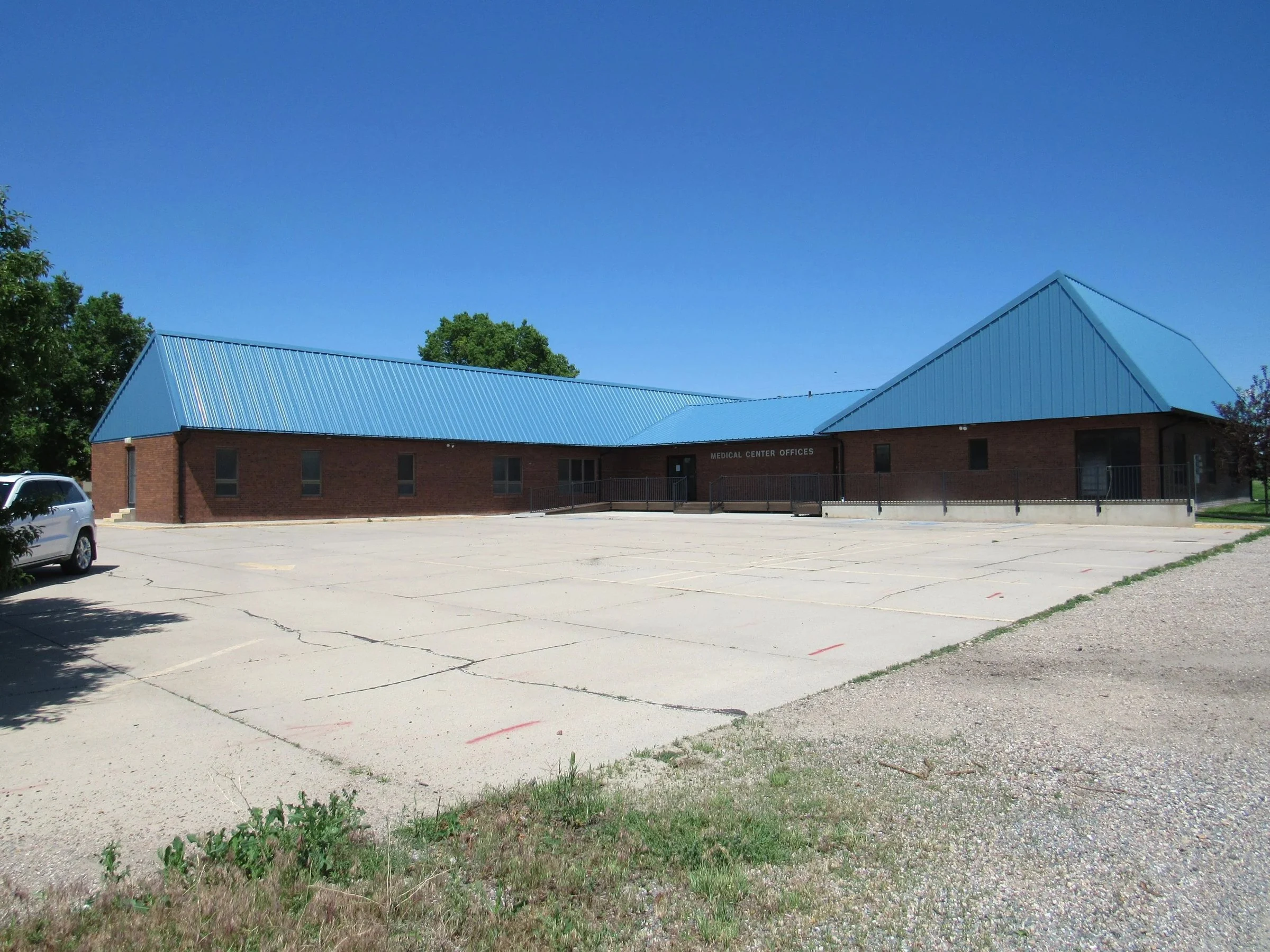
Muscogee County school buildings and other institutional campuses around town often run large low-slope roofs with multiple internal drain zones added across different construction eras, and a clog in one zone will not show up as ponding anywhere near an unrelated section, which makes a full-roof walk more important than checking the areas that have leaked before.
We schedule these visits around the academic calendar where a client asks, favoring summer break or holiday weeks so drain work does not put a lift or ladder anywhere near students or staff during the school day.
Drain and Scupper Questions
How much standing water is actually a problem?
Any water still standing forty-eight hours after rain stops is worth investigating. Occasional shallow ponding that drains within a day is common on flat roofs, but persistent standing water accelerates membrane wear.
Can a clogged drain cause a leak even without visible ponding?
Yes. Water backing up around a poorly sealed drain fitting can work its way under the membrane at the flashing seam even if the surface looks like it drains fine most of the time.
How often do internal drains need to be checked?
Twice a year at minimum, more often on roofs near tree cover or active construction where debris accumulates faster.
Is ponding always caused by a clogged drain?
No. If drains are clear and water still collects in the same spot, it usually points to a structural slope issue or original design flaw, which needs a different fix than drain clearing.
Do you repair scupper flashing or just clear the opening?
Both. Clearing debris solves an active clog, but if the flashing around the scupper is degraded, we reseal or replace it so the fitting itself is not the next leak source, and we note the repair in the visit summary.
Ready to review the roof scope?