
Service Areas
Commercial Roofing Contractors Lanett, AL
Commercial Roofers in Lanett, AL
Commercial roofing in Lanett, AL should begin with a documented assessment of membrane condition, seams, flashings, drainage, penetrations, and moisture before repair, coating, or replacement is selected. We work on the roofs that came with Lanett's mill economy and the newer commercial buildings that grew up around I-85, from converted textile buildings to metal-clad shops on the frontage roads. Chambers County's roofing stock spans a lot of eras, and we treat each building on its own terms rather than a standard package.
Working Over Century-Old Mill Buildings
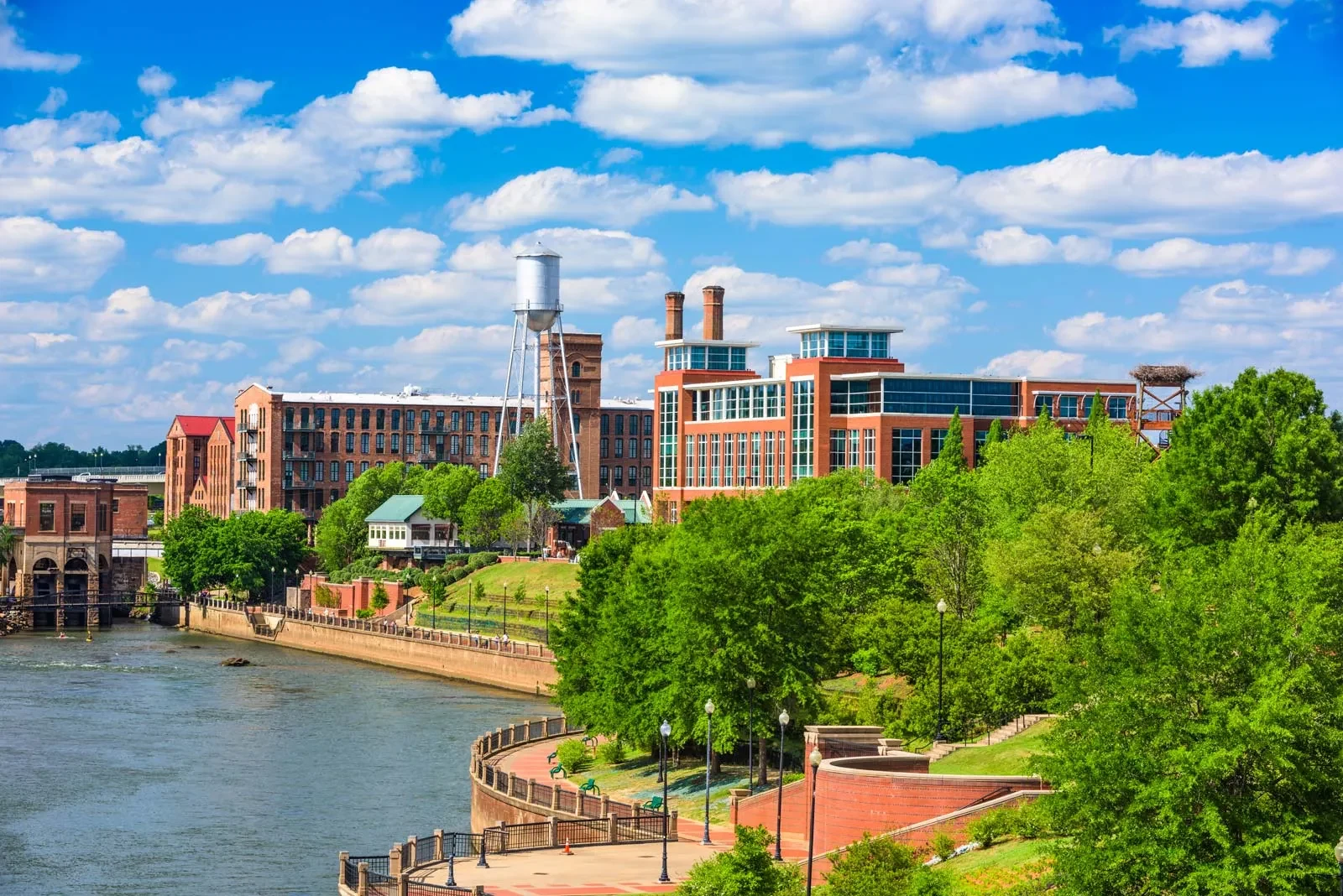
Lanett's mills, tied to the old West Point textile operations, were built with sawtooth rooflines and monitor vents for manufacturing, not for the membrane systems that cover them now. Many have been recovered or reroofed several times, and the deck underneath often mixes wood plank, steel, and patched sections from different decades. Before we quote a project on one of these buildings, we walk the whole roof and probe the deck in several places, because a single moisture reading rarely tells the full story on a structure this old.
When a mill building has been subdivided for smaller manufacturing or storage tenants, we phase the work bay by bay so whatever is running underneath keeps running. Dock doors and loading areas stay clear, and we stage materials on the section of roof we're actively working rather than spreading crews across the whole deck at once.
Some of these buildings still carry structural quirks from their original mill layout, like skylights or vent shafts that were never meant to handle a modern membrane tie-in. We flag those during the walk so the bid accounts for the extra flashing work, instead of discovering it mid-project.
I-85 Frontage and Distribution Space
The commercial corridor along I-85 through Lanett has picked up steel-frame warehouse and light-industrial buildings serving Chambers County freight lanes. These are usually simpler to diagnose than the old mills, typically a single membrane generation over metal deck, but wind uplift at the parapet and around rooftop unit curbs is where we find most of the trouble.
Businesses along the interstate frontage run trucks in and out on a schedule, so we plan crane lifts and material staging around their dock traffic instead of the other way around. A reroof on an active distribution building gets a sequence that keeps at least one loading zone open at all times.
Humidity, Storms, and What They Do to Membrane
Chambers County sits in the same humid subtropical band as the rest of the Columbus metro, and Lanett's older roofs show it: ponding on low-slope sections, algae streaking, and membrane that's gone brittle faster than it should from UV and heat cycling. Summer thunderstorms roll through fast and hard, and remnants of Gulf storms have pushed heavy wind and rain into this part of Alabama more than once in recent years.
On mill-building roofs especially, we look hard at drainage before anything else. A lot of these structures were built with internal drains sized for a different roof configuration than what's up there now, and undersized or clogged drainage is the single biggest driver of the emergency calls we get after a hard rain.
Coordinating With Multiple Tenants Under One Roof
Several of Lanett's converted mill buildings now hold three or four unrelated tenants under a single roof, each with its own lease, hours, and tolerance for disruption. Before we schedule anything, we find out who's actually operating below each section we plan to touch instead of relying only on who signed the roofing contract, because a shipping tenant on one end of the building may run a completely different schedule than a small manufacturer on the other.
We also keep a written record of roof access and any temporary containment for each phase, since a multi-tenant building often needs that paperwork for insurance or lease compliance reasons that a single-tenant property wouldn't. Getting that documentation right the first time avoids delays once the crew is already staged and ready to work.
What Building Owners Ask Us to Plan Around
- Keeping manufacturing lines running during a phased mill-building reroof
- Coordinating crane and material lifts around active loading dock schedules
- Documenting pre-existing deck conditions before work starts on older buildings
- Sequencing membrane work around plant shift changes
- Matching drainage upgrades to the roof's current configuration, not its original layout
- Flashing skylights and vent shafts left over from the building's mill-era design
Fewer Questions, Straight Answers
Can you reroof a section of an occupied mill building without shutting down the rest?
Yes. We split these projects into bays or sections and coordinate the schedule with whoever's running operations underneath, so only the section under the current phase is exposed at any point.
Do you work on buildings with mixed deck types from different renovations?
We do, and it's common in Lanett. We probe the deck across the roof rather than assuming one material throughout, then spec the system to match what's actually there.
How do you handle drainage on older mill roofs?
We map the existing drains, check them against current roof slope and low points, and flag any that are undersized before work starts rather than after the first storm.
What roof systems hold up best on the metal-deck buildings along I-85?
TPO and modified bitumen both perform well here depending on the building's use and insulation needs. We base the recommendation on the specific deck and tenant activity, not a default pick.
Can work happen without disrupting truck traffic at a distribution building?
We plan staging and access around dock schedules from the start, and keep at least one bay clear for loading throughout the project.
Ready to review the roof scope?