
Service Areas
Commercial Roofing Valley, Alabama's Mill Villages, AL
Commercial Roofers in Valley, Alabama's Mill Villages, AL
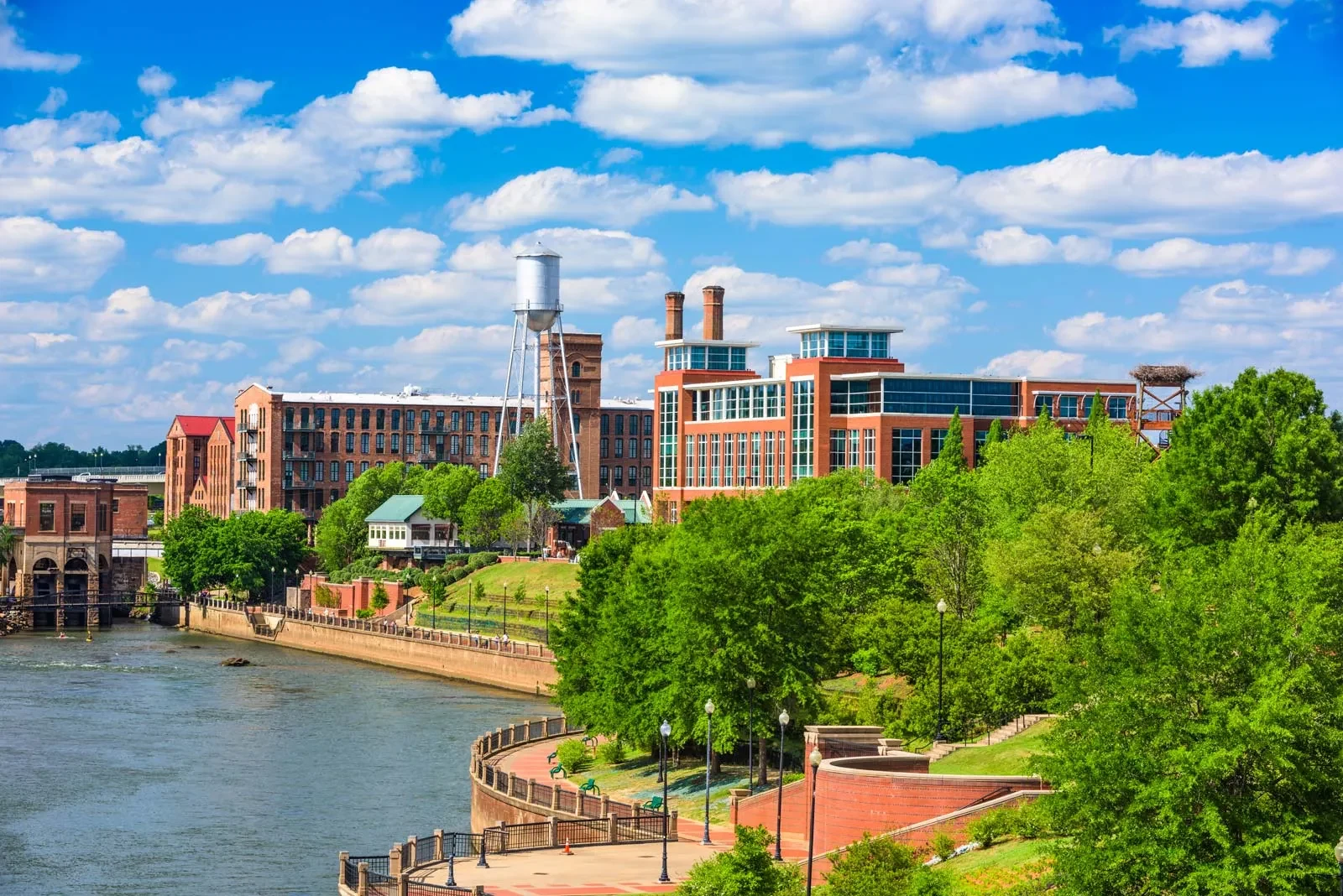
A practical commercial roofing plan for Valley, Alabama's Mill Villages, AL properties separates urgent leak control from repair, coating, maintenance, and replacement decisions supported by photos and condition findings. Valley formed when four separate mill villages, Shawmut, Fairfax, Langdale, and Riverview, consolidated into one city, and that textile heritage still defines the commercial building stock here. We work a mix of converted mill structures with roof lines that predate modern commercial standards and newer commerce that's grown up around the I-85 exit.
Converted Mill Buildings
The old textile mills scattered across Valley's four historic villages carry distinctive roof structures, many with sawtooth or monitor roof profiles originally built to bring natural light and ventilation into the weaving floors below. These roofs weren't designed to modern low-slope commercial standards, and converting one to office, retail, or light industrial use means working with a structure that has decades of individual patch and repair history layered on top of the original design.
We start every mill building project with a direct structural assessment of the roof deck and framing, since load capacity and drainage on a sawtooth or monitor roof behave differently than a standard flat commercial roof. Valley gutters and low points on these roofs also need particular attention, since the original drainage design often predates the additions and renovations that came later.
I-85 Exit Corridor Commerce
The commercial development that's grown up around Valley's I-85 exit looks more like standard modern retail and light industrial construction, with TPO and metal panel roofing over conventional steel deck. This newer stock needs less structural investigation and more standard preventive maintenance and repair, the kind of work that keeps a roof performing through its full expected service life rather than letting small issues turn into major ones.
We treat this corridor's buildings with the same phased, no-closure approach we use on active retail anywhere else in the metro, keeping entrances and parking accessible throughout any project.
Light Manufacturing Roofs
Some manufacturing operations remain in Valley, occupying a mix of older mill space and newer metal buildings built for more modern production needs. Production schedules on these buildings mean roof work gets planned around shift patterns and shipping windows the same way it would at any active manufacturing site, whether the building is a converted 1920s mill or a 2010s metal frame structure.
We check rooftop equipment penetrations closely on manufacturing roofs regardless of building age, since added ventilation, exhaust, and process equipment over the years is a common source of leaks that don't trace back to the original roof install at all.
- Structural assessment and custom roof planning for converted mill buildings
- Sawtooth and monitor roof repair and drainage correction
- TPO and metal panel recover for I-85 exit corridor retail and commercial buildings
- Preventive maintenance for light manufacturing roofs of any construction era
- Coating systems to extend service life on older mill village storefronts
- Emergency dry-in and tarp service for active leaks over production or retail space
Working With Valley's Mixed Building Ages
Few markets in our service area have as wide a spread between oldest and newest commercial building stock as Valley does, with roofs ranging from century-old mill structures to buildings finished in the last few years near the interstate. We don't apply a single standard approach across that range, and we tell owners directly when a building's age and structure call for more upfront investigation before we'll commit to a system recommendation.
That range also means material and labor planning looks different job to job here more than in a more uniform suburban market, and we scope each Valley project individually rather than working from a generic corridor template.
Weather Factors on Valley's Roof Stock
Older mill roofs with monitor or sawtooth profiles create more seams, transitions, and low points than a standard flat roof, and each one is a potential entry point for wind-driven rain during the region's frequent summer thunderstorms. We inspect these transition points as a priority on every mill building visit, since that's where the majority of leaks on this roof type originate.
Newer roofs along the I-85 corridor face the same UV and heat exposure common across the whole metro, and we track seam and fastener condition on these buildings the same way we would anywhere else in our service area.
Questions Valley Building Owners Ask Us
Can a sawtooth or monitor roof on an old mill building actually be repaired instead of replaced?
Often, yes, if the underlying structure is sound. We assess deck and framing condition first, and in many cases targeted repair and drainage correction extends the roof's life well beyond what an owner expects from a century-old structure.
Do you work on buildings across all four historic mill villages?
Yes, we service commercial buildings throughout Shawmut, Fairfax, Langdale, and Riverview along with the newer development near the interstate.
What's different about roofing a converted mill building versus a standard commercial roof?
The roof profile itself is different, often with multiple ridges, valleys, and light-well structures instead of a single flat plane, which means more transition points and a drainage design that needs individual evaluation rather than a standard commercial approach.
Will roof work interrupt production at a manufacturing building?
We plan work around shift and shipping schedules for any active manufacturing site, regardless of whether the building is an older mill conversion or newer metal frame construction.
How do you decide between repair and full replacement on an older Valley roof?
It comes down to structural assessment first. We won't recommend full replacement on a roof where targeted repair and drainage correction can extend service life at a fraction of the cost, but we're equally direct when a structure genuinely needs full replacement.
Ready to review the roof scope?