Commercial Roofing Services
Commercial Roof Insurance Claim Help in Columbus, GA
Getting the Full Scope Documented Before You File
A roof claim usually starts with the same question: is this damage bad enough to be worth the paperwork? We answer that question on the roof, not over the phone, and then we build the documentation an adjuster actually needs to process the claim on its real merits. We are a roofing contractor, not a public adjuster — we inspect, document, and produce a scope your adjuster can review; we do not file claims, negotiate settlements, or promise a payout.
What a Complete Claim File Requires
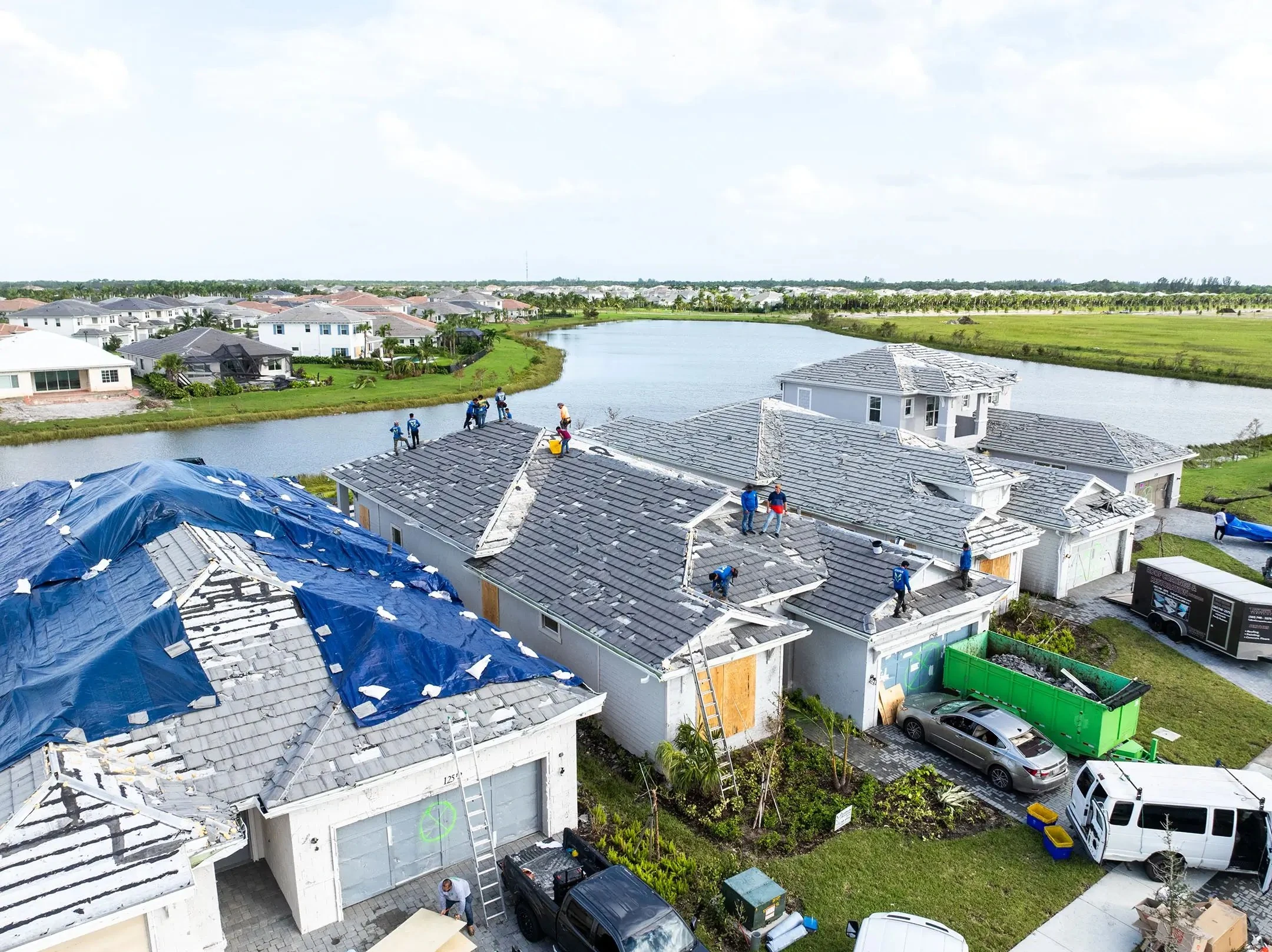
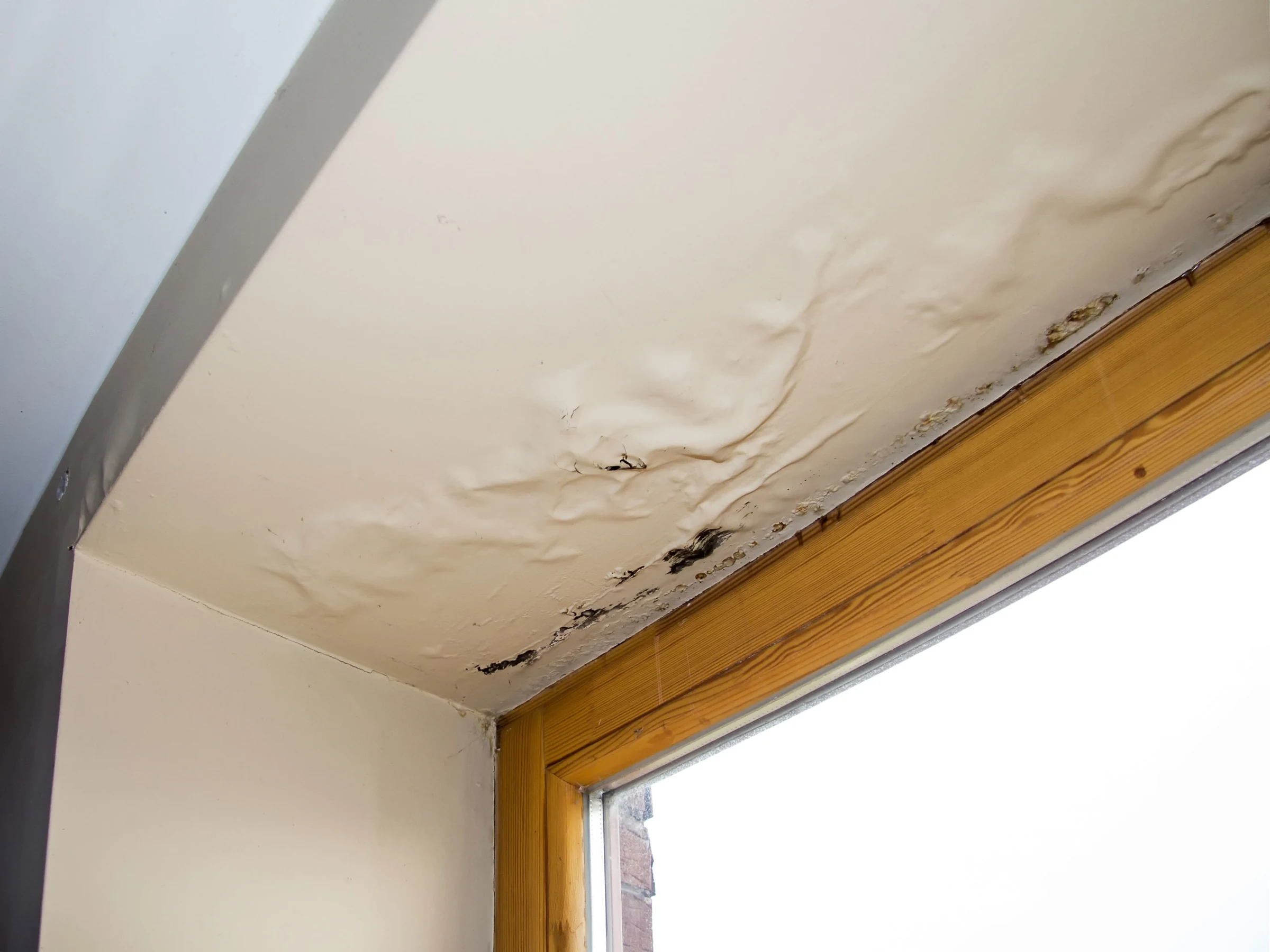
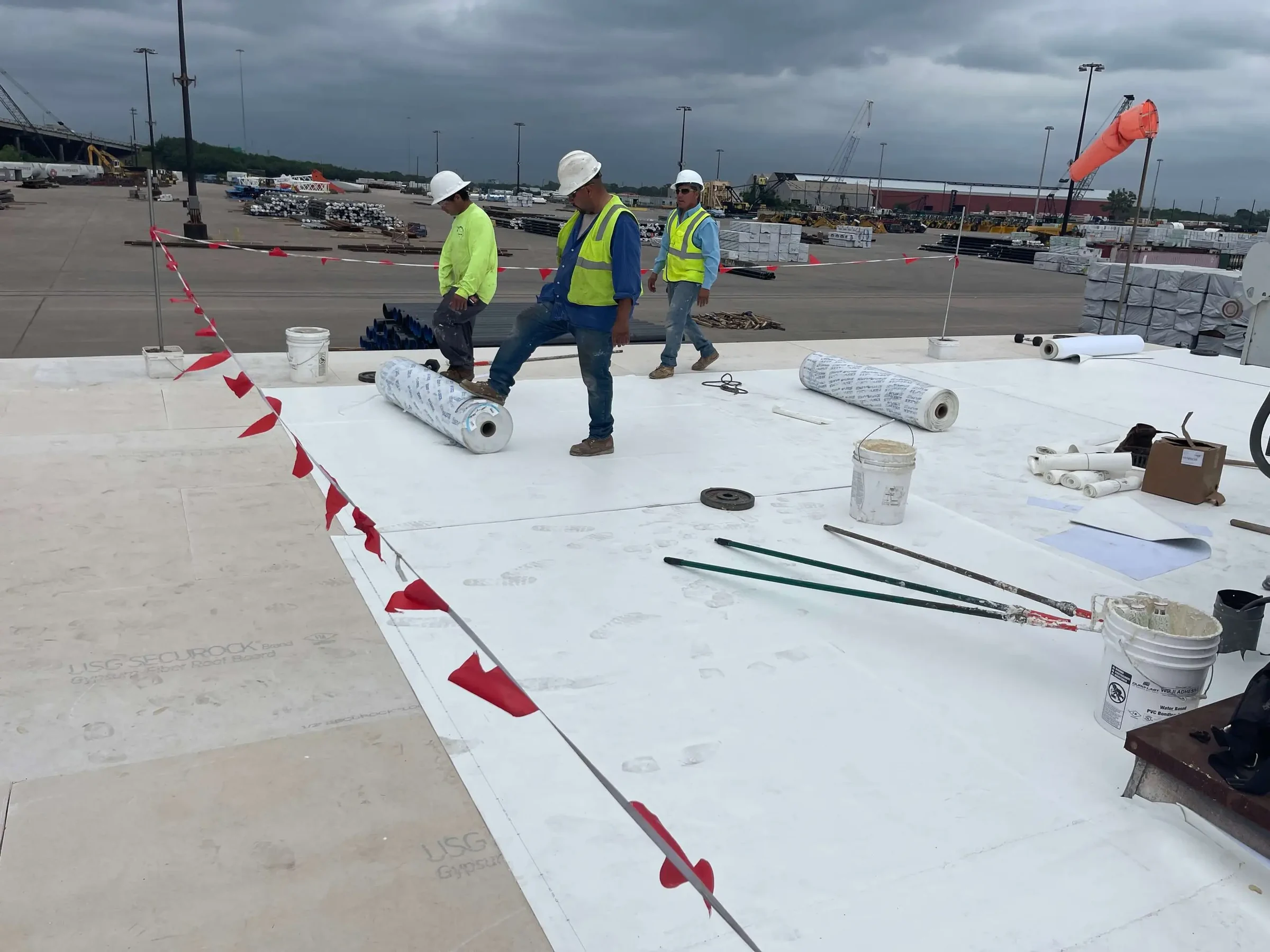
Insurers want dated photographs tied to specific roof zones, a written description of the damage mechanism, and measurements that back up the visual evidence — ponding depth, membrane displacement, dent spacing on metal panels, or granule loss on a cap sheet. A claim built on a handful of phone photos and a vague summary tends to stall, get partially approved, or come back with questions the contractor never anticipated. We build the file the way an adjuster reviews it: organized by roof zone and penetration, with the physical evidence to support every line.
For buildings that already have a documented maintenance or inspection history, we reference that record so the adjuster can see what changed between the last inspection and the storm event, which is often the single strongest piece of evidence in a claim.
Meeting Your Adjuster on the Roof
We are glad to walk the roof with your insurance adjuster or a public adjuster you have retained, pointing out findings directly and answering technical questions about membrane condition, fastener pull, or storm mechanics. Our role on that walkthrough is providing accurate technical information about what happened to the roof system, not arguing the claim's dollar value.
Framing the Full Repair Scope Beyond the Visible Damage
Adjusters sometimes scope a claim to the damage they can see from the ground or in a handful of photos, missing code-required upgrades, matching requirements for discontinued membrane colors, or secondary damage that only shows up once the roof surface is opened. We document the complete scope on-site — including edge metal, coping, drains, and flashing details that a partial repair would otherwise leave exposed — so the claim reflects everything the roof actually needs, including what a partial repair would otherwise leave exposed.
When a Claim Comes Back Denied or Underpaid
A denial or a low initial scope is not always the final word. If our on-roof findings support a broader repair than what was approved, we put that in writing with the specific photos and measurements that support it, which your adjuster or your public adjuster can use to request a second look. We cannot guarantee a reversal — that decision belongs to the insurer — but an underpaid claim built on incomplete documentation is worth revisiting before you accept it.
Commercial Buildings We Document Across the Chattahoochee Valley
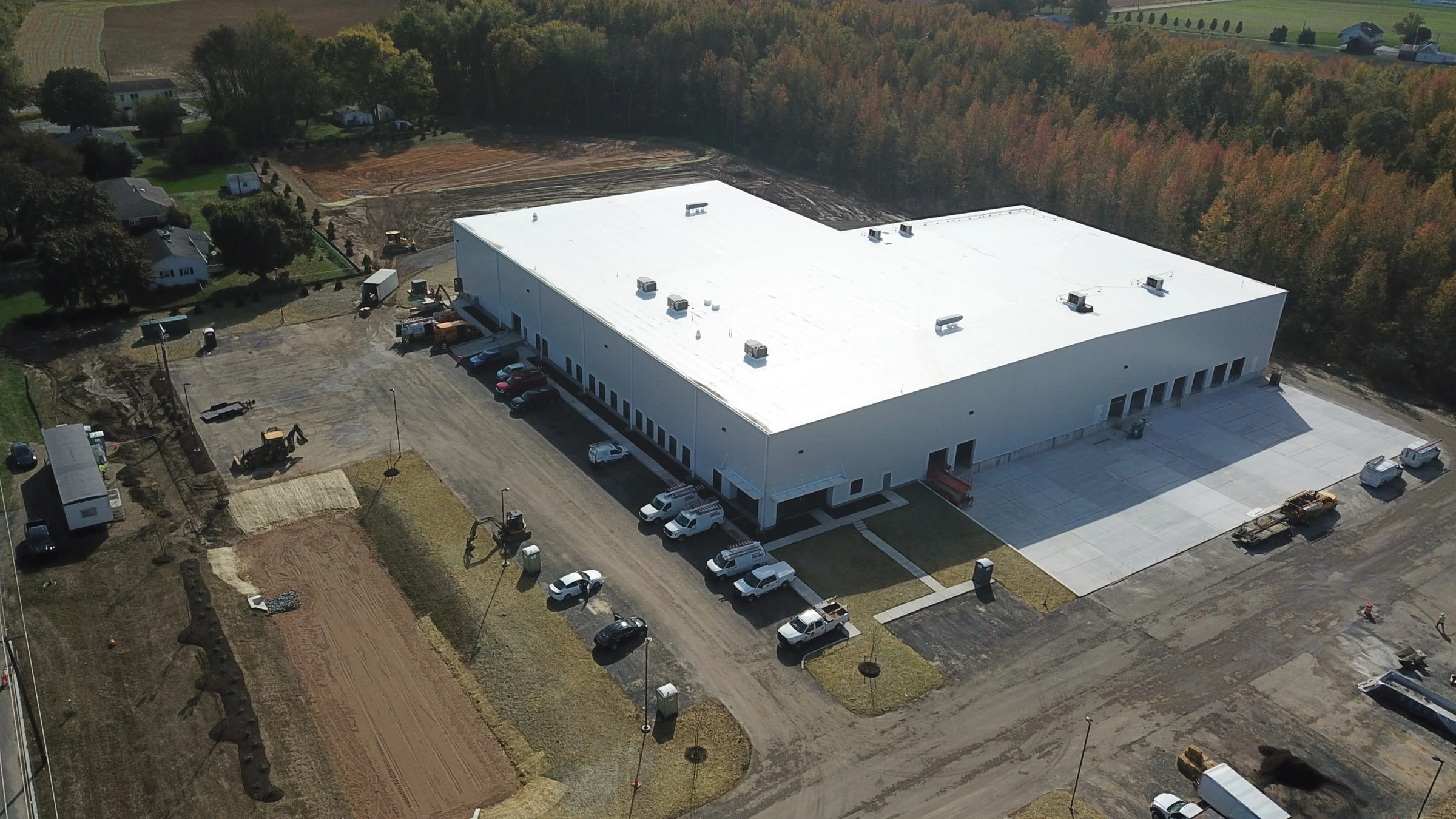
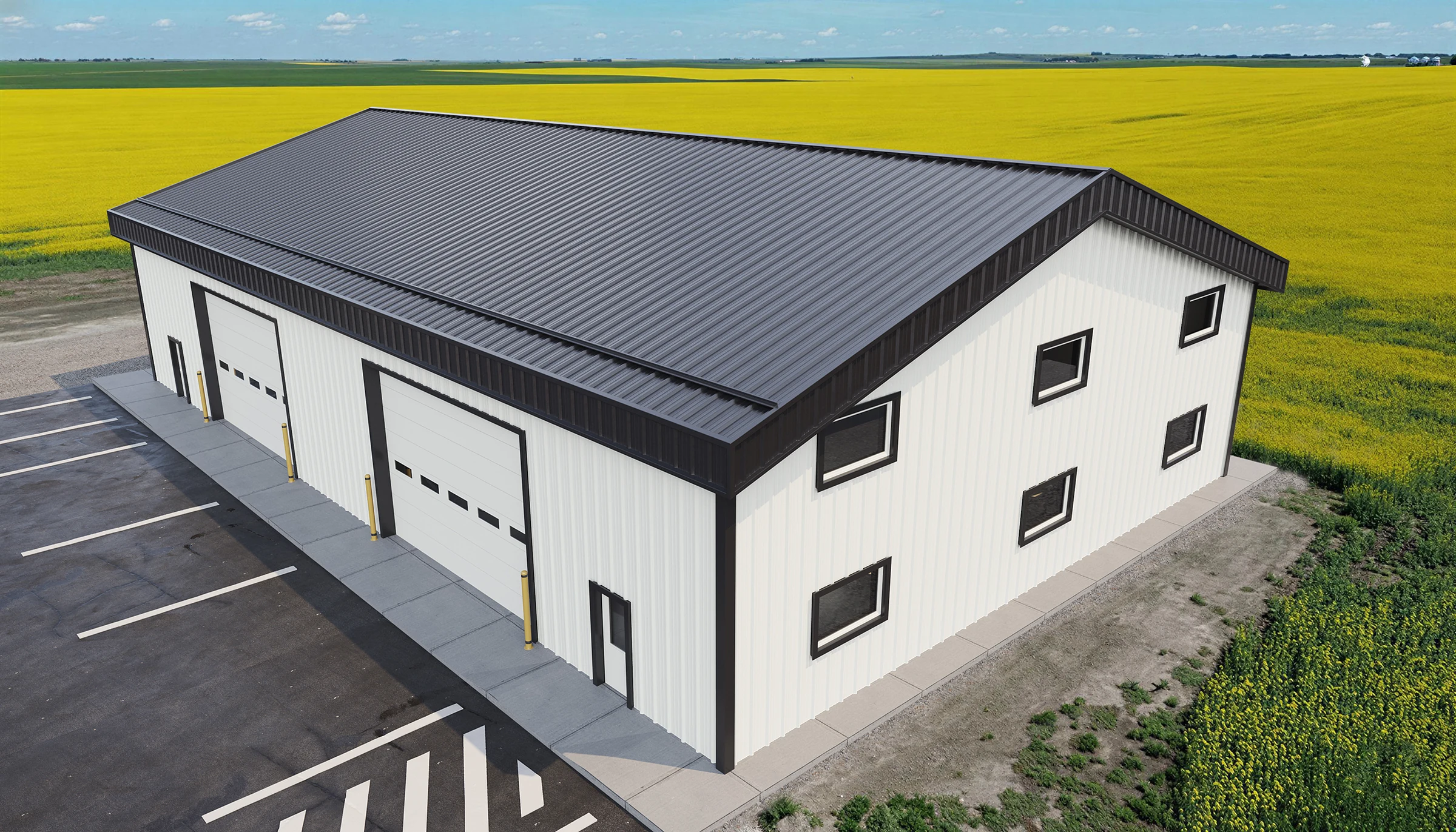
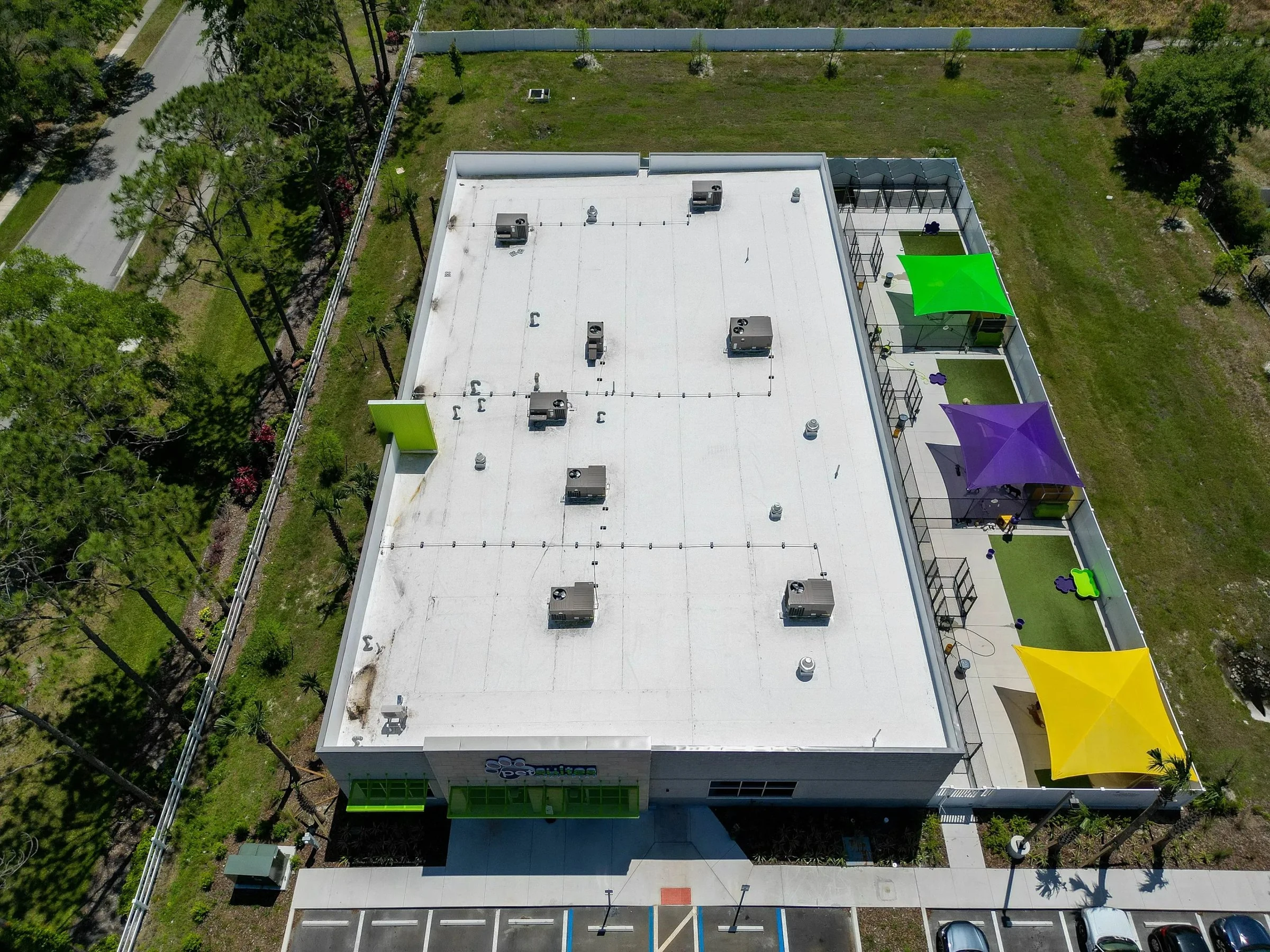
Columbus carries a wide mix of roof stock, and claim documentation looks different depending on what's up there. Near Fort Moore, a lot of the surrounding commercial and light-industrial space runs older built-up and modified bitumen systems that show storm damage differently than a newer TPO roof. Along the Chattahoochee riverfront, converted textile mill buildings in the Bibb City and Eagle & Phenix corridor often carry a mix of low-slope membrane over older structural decking, which changes what a usable claim file needs to show. Out along I-185 and the distribution corridors north and south of the city, large low-slope warehouse roofs bring their own documentation challenge: enough square footage that a partial inspection can miss damage entirely, so we walk the full roof rather than sampling a section.
Commercial Roof Insurance Claim Questions
Does commercial property insurance cover roof replacement?
Most commercial policies cover storm-related roof damage, but coverage terms vary by policy, deductible structure, and whether the roof has an actual cash value or replacement cost provision. We can't interpret your policy language, but we can document the physical condition your insurer will use to make that determination.
What does the claim process actually look like?
Generally: you report the loss to your insurer, an adjuster is assigned, and the roof gets inspected before a scope and payment are determined. We fit into that process by documenting the roof before you file, or by meeting your assigned adjuster on-site to walk through our findings.
What if our claim gets denied?
A denial can sometimes be appealed with better documentation, particularly if the initial inspection missed damage that a full roof walk would catch. We'll tell you plainly if our findings support requesting another look, and we'll tell you just as plainly if they don't.
Should we repair or replace after storm damage?
That depends on the roof's age, the extent of damage, and what your policy actually covers. We document what we find and lay out the repair-versus-replacement tradeoffs technically; the coverage decision runs through your insurer and your policy terms.
Do you file the claim or negotiate with our insurance company for us?
No. We're your roofing contractor, not a public adjuster — we document and substantiate the roof damage so you and your adjuster work from an accurate scope. Filing the claim and negotiating the settlement stays between you, your insurer, and your public adjuster if you've engaged one.
How fast can you get on the roof after a storm?
Emergency response and documentation typically happen on the same visit, especially if there's active water intrusion. Routine claim documentation for non-emergency damage is usually scheduled within a few business days.
Ready to review the roof scope?