Commercial Project Types
Multi-Tenant Retail Strip Roofing in Columbus, GA
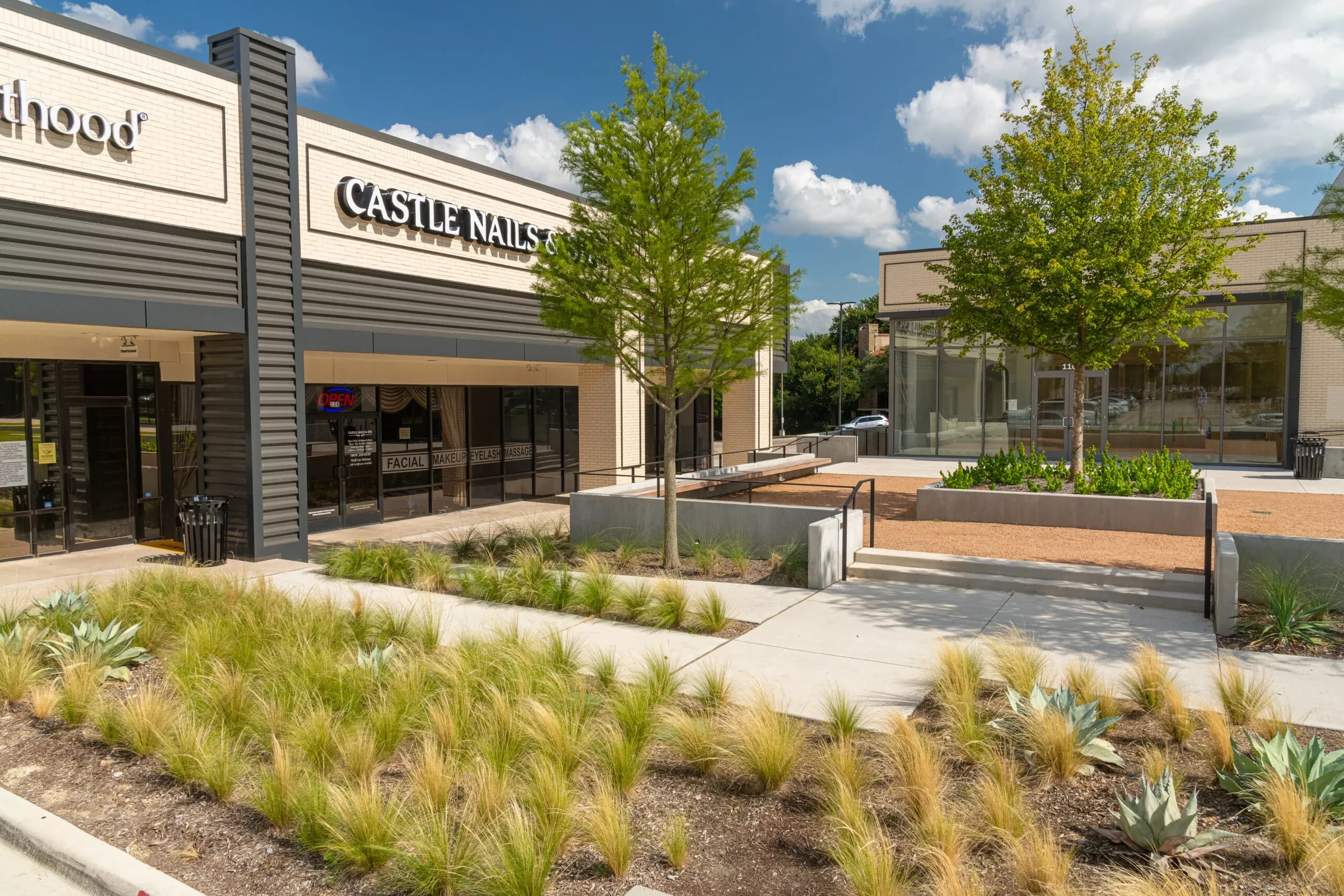
Roofing for Columbus Strip Centers and Multi-Tenant Retail
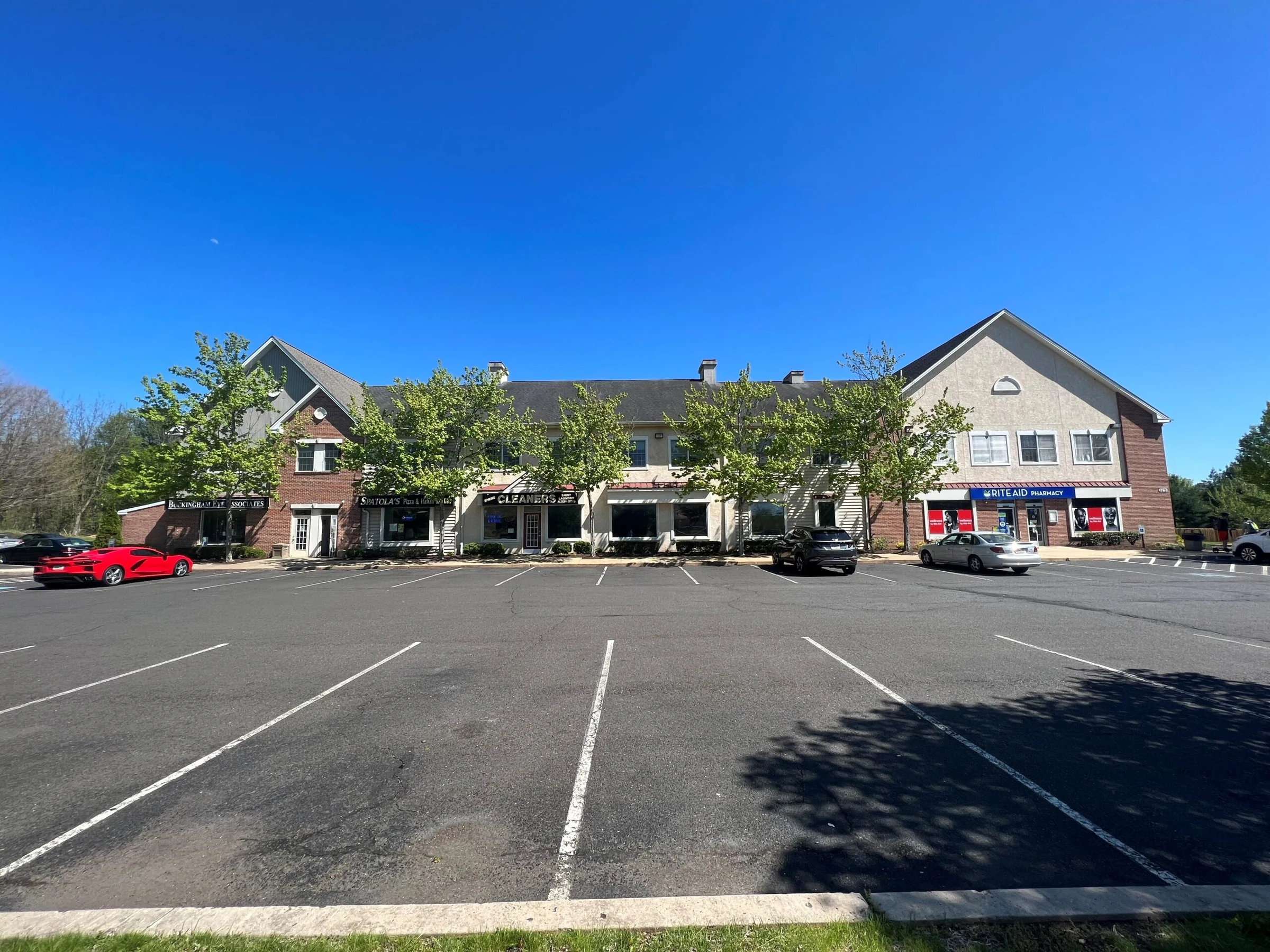
Strip centers along Victory Drive, Buena Vista Road, and the smaller retail nodes scattered through Columbus carry a single continuous roof over a dozen or more separate businesses, each with its own hours, its own lease terms, and its own tolerance for disruption. A reroof here is really several small coordination projects stacked under one membrane.
One Roof, Many Lease Lines
Before any work starts, we map the roof against the tenant lease lines below it, since the lease map matters as much as the physical roof plan. A nail salon, a fast-casual restaurant, and a check-cashing office in the same strip can have completely different hours and completely different concerns about noise, dust, or a ladder set up outside their storefront during business hours.
We sequence tear-off tenant by tenant where the roof structure allows it, so a restaurant that can't tolerate debris near its kitchen exhaust intake gets scheduled differently than a retail tenant next door with no similar concern.
Coordinating Around a Dozen Different Schedules
Getting a strip center reroof done efficiently means talking to every business, not only the property owner. We ask the property manager to help identify which tenants open early, which run late, and which have deliveries or equipment service visits that need clear access during the project.
Shared parking lots in front of a strip center also serve every tenant at once, so material staging goes to the back of the building or the far end of the lot whenever the site layout allows it, keeping customer parking and storefront visibility clear along the whole storefront row, including businesses with no active work overhead that day.
Small Roof Sections, Real Coordination Cost
A strip center's total roof area is often smaller than a single warehouse or office building, but the coordination work is disproportionate to the size, since each individual storefront needs its own notice, its own access plan, and sometimes its own after-hours window. We build that coordination time into the schedule up front rather than treating a strip center like a scaled-down version of a big-box job.
Older strip centers around Columbus sometimes have roof sections added at different times as the building was subdivided or expanded, which means membrane age and roof condition can vary significantly from one end of the building to the other. We inspect and scope each section on its own condition rather than assuming uniform roof age across the whole strip.
- Neighborhood and community strip retail centers
- Restaurant and quick-service retail pads
- Service retail centers (salons, laundromats, check-cashing, phone stores)
- Grocery-anchored strip centers
- Medical and professional service strip retail
- Freestanding retail pads attached to a larger center
Restaurant Tenants Need Extra Planning
Kitchen exhaust hoods, grease containment, and rooftop kitchen equipment turn a restaurant space into the most complicated tenant on any strip center roof. We check exhaust curb flashing separately from the general field membrane, since grease exposure degrades roofing material differently than standard weather exposure does, and a restaurant tenant needs advance notice before any work happens near its exhaust system.
Odor and grease containment during tear-off near a kitchen also matters to neighboring tenants and their customers seated nearby. We keep debris and containment barriers positioned so kitchen-adjacent work doesn't become every other tenant's problem for the day.
Documentation for Shared Roof Maintenance Agreements
Many strip centers operate under a common area maintenance agreement that splits roof costs across tenants by square footage or lease terms, which means the property owner often needs a scope document that a tenant's accounting department can review and dispute if they choose to. We break out costs by section and by cause wherever the roof condition supports it, rather than delivering one lump-sum number the property owner has to defend on their own during a CAM reconciliation.
Some anchor tenants in larger strip developments carry their own roof maintenance obligations written into their lease, separate from the smaller in-line tenants around them. We ask for a copy of any tenant-specific roof clauses before finalizing scope boundaries, so we don't end up billing work to the property owner that actually falls under an individual tenant's own lease responsibility, and so the CAM reconciliation the owner sends to every other tenant holds up if questioned.
Questions From Strip Center Owners and Property Managers
Can each tenant stay open during the reroof?
In almost all cases yes. We sequence work tenant by tenant and coordinate timing so each business stays open through the section of roof work directly above it.
How do you handle a strip center with very different roof ages across the building?
We inspect and scope each section separately rather than assuming uniform condition, since older strip centers are often expanded or subdivided in phases over the years.
What extra planning does a restaurant tenant require?
Kitchen exhaust curbs need separate flashing inspection due to grease exposure, and restaurant tenants get advance notice before any work happens near their exhaust system.
Where does material get staged on a strip center with a shared parking lot?
We use the back of the building or the far end of the lot whenever the site allows it, keeping customer parking and storefront visibility clear for every tenant.
Who coordinates tenant notifications on a multi-tenant property?
We work with the property manager to identify each tenant's hours and concerns, then build a notification schedule that reaches every business before work happens above their space.
Ready to review the roof scope?